
Senior Day: A Celebration of Experience and Community at the Fair
Senior Day at the county fair is more than just a special designation on the calendar; it’s a vibrant testament to the enduring spirit of community, a showcase of accumulated wisdom, and a powerful magnet for the best of what visitors have to offer. This dedicated day, often characterized by reduced admission fees, specialized programming, and a welcoming atmosphere, actively cultivates an environment where seniors can fully engage, reminisce, and contribute to the fair’s overall vibrancy. The inherent value of Senior Day lies in its intentionality – it’s not an afterthought, but a cornerstone event designed to acknowledge and celebrate a demographic that often forms the backbone of rural and suburban communities. The fair, in turn, benefits immeasurably from this focused attention. The presence of a significant senior contingent injects a unique energy, a sense of tradition, and a deep wellspring of knowledge and appreciation that enriches the experience for all attendees.
The economic impact of Senior Day, while not always the primary focus, is undeniably significant. By offering incentives like discounted entry and sometimes even subsidized transportation, organizers encourage a larger turnout of seniors who may have fixed incomes. This increased foot traffic directly translates into revenue for fair vendors, from food stalls to craftspeople and agricultural exhibitors. Seniors, often having more leisure time and a keen eye for quality and value, are discerning consumers. They are likely to purchase unique handmade items, sample local delicacies, and support businesses that resonate with their established tastes and preferences. Furthermore, their presence often encourages family participation. Grandchildren and other family members are frequently drawn to the fair specifically to spend time with their senior relatives, creating multi-generational outings that further boost economic activity. This ripple effect extends beyond the immediate fairgrounds, as seniors often patronize local businesses before and after their visit, contributing to the broader economic health of the host community. Therefore, Senior Day is not just a social event; it’s a strategic initiative that bolsters the local economy by tapping into a dedicated and engaged consumer base.
Beyond the tangible economic benefits, Senior Day cultivates an invaluable sense of community connection. For many seniors, the fair represents a cherished tradition, a link to their past and a reminder of simpler times. Senior Day provides a dedicated platform for them to reconnect with neighbors, old friends, and even former colleagues, fostering social interaction that is crucial for well-being. The relaxed pace and familiar attractions often found on Senior Day create opportunities for meaningful conversations and shared experiences. This is a time for storytelling, for passing down local history, and for reinforcing the social fabric that binds a community together. The fairgrounds transform into a hub of intergenerational exchange, where seniors can share their knowledge and experiences with younger visitors, imparting valuable lessons and perspectives. This exchange is not unidirectional; seniors often find renewed energy and a sense of purpose by engaging with the younger generations, witnessing their enthusiasm and their own evolving perspectives on the world. The shared laughter, the exchanged smiles, and the collective sense of belonging fostered on Senior Day contribute to a stronger, more cohesive community.
The programming on Senior Day is often tailored to resonate with the interests and needs of older adults, demonstrating a thoughtful approach to inclusivity. This can include dedicated seating areas, accessible pathways, and quieter zones for those who may be sensitive to crowds or noise. Entertainment often features music from eras that hold nostalgic significance for seniors, such as big band, country, or classic rock. Educational demonstrations, such as gardening tips, historical reenactments, or craft workshops, appeal to their desire for lifelong learning and engagement. Health and wellness screenings, provided by local organizations, offer valuable resources and information. Moreover, many Senior Day events include opportunities for participation, such as talent shows, bingo games, or pie-eating contests, encouraging active engagement rather than passive observation. The focus is on providing a comfortable, enjoyable, and enriching experience that celebrates their contributions and addresses their specific needs. This thoughtful curation of activities ensures that seniors feel valued, respected, and fully integrated into the fair’s festivities.
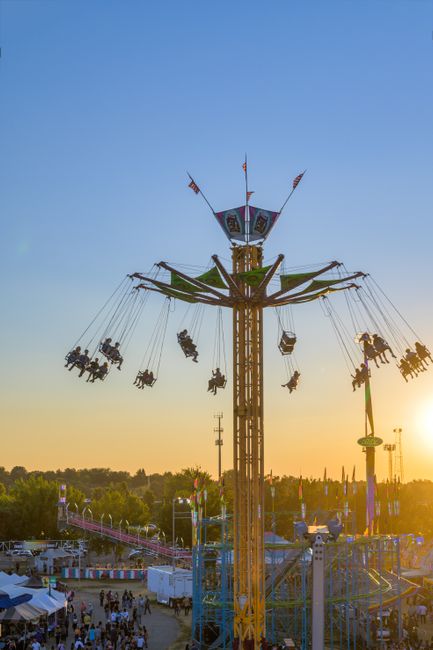
The visual and sensory experience of the fair holds a particular appeal for seniors on their designated day. The vibrant colors of agricultural displays, the comforting aroma of freshly cooked food, and the lively sounds of the midway evoke a sense of nostalgia and sensory pleasure. For many, the fair is a multi-sensory journey that triggers cherished memories. The sight of prize-winning livestock can remind them of their own farming roots or childhood experiences. The taste of cotton candy or popcorn can transport them back to youthful days. The melodies of the carousel or the Ferris wheel can evoke feelings of joy and wonder. Senior Day offers a curated opportunity to immerse themselves in these sensory delights, often at a more leisurely pace than might be possible on a busier day. The familiarity of the attractions, combined with the special attention given to their demographic, creates an environment that is both comforting and invigorating. This allows them to fully appreciate the richness and diversity of the fair experience, creating new memories while revisiting treasured ones.
The fair serves as a powerful platform for intergenerational learning and the preservation of traditions, and Senior Day amplifies this role. Seniors, with their wealth of life experience and historical knowledge, are invaluable repositories of cultural heritage. On Senior Day, they become active participants in passing down this legacy. They can share stories of past fairs, of agricultural practices that have evolved, and of the community’s history. Agricultural exhibits, often showcasing heritage breeds of livestock or antique farming equipment, provide tangible links to the past that seniors can contextualize and explain. Craft demonstrations by senior artisans offer insights into traditional skills that might otherwise be lost. This exchange of knowledge is vital for maintaining cultural continuity and fostering a deeper understanding of where we come from. Younger generations, in turn, benefit from this direct connection to their elders and their heritage, developing a greater appreciation for the values and traditions that have shaped their communities. Senior Day creates a natural and organic setting for this crucial intergenerational dialogue.
The emotional well-being benefits of Senior Day are profound and far-reaching. In an increasingly digitized and sometimes isolating world, the fair offers a tangible, human-centered experience. The act of attending the fair, of being part of a collective celebration, combats loneliness and fosters a sense of belonging. The opportunity to engage with others, to share laughter and conversation, and to simply be present in a vibrant social environment can significantly boost mood and reduce stress. For seniors who may face challenges with mobility or social engagement, Senior Day provides a low-barrier entry point to a joyful and stimulating activity. The sense of accomplishment derived from exploring the fair, from participating in activities, and from connecting with loved ones contributes to an overall improvement in mental and emotional health. This positive emotional engagement can have a lasting impact, fostering a greater sense of contentment and overall life satisfaction.
The volunteer component of Senior Day also highlights the best of community spirit. Many fair organizations rely heavily on volunteers to ensure smooth operations, and Senior Day often attracts individuals who are passionate about supporting older adults. These volunteers, ranging from high school students fulfilling community service hours to retirees eager to give back, create a welcoming and supportive atmosphere. They assist with directing attendees, providing information, and ensuring accessibility for those who need it. This act of service fosters a sense of purpose and connection for the volunteers themselves, reinforcing the idea of a community working together for the betterment of all its members. The interaction between volunteers and senior visitors can be particularly rewarding, creating moments of mutual respect and understanding. This collaborative spirit, embodied by the volunteers on Senior Day, is a powerful demonstration of what makes a community strong and resilient.
The fair, through Senior Day, often plays a role in promoting healthy aging and active lifestyles. While the focus is on enjoyment, the very act of attending the fair encourages seniors to be out and about, to move around, and to engage their senses. Many fairs incorporate elements that subtly promote physical activity, such as walking through exhibits or enjoying a leisurely stroll. The social interaction inherent in the fair experience is also a vital component of healthy aging, helping to maintain cognitive function and emotional well-being. Furthermore, the availability of healthy food options at the fair, alongside the more traditional treats, allows seniors to make choices that align with their dietary needs. Educational booths on health and wellness further empower seniors to take an active role in managing their health. Senior Day, therefore, is not just about entertainment; it’s an opportunity to participate in an activity that supports a holistic approach to well-being.
In conclusion, Senior Day at the fair is a multifaceted event that brings out the very best of visitors. It’s a day that fosters economic vitality, strengthens community bonds, celebrates cultural heritage, promotes well-being, and showcases the invaluable contributions of seniors. The intentional design of Senior Day ensures that this demographic feels welcomed, valued, and empowered to participate fully, enriching the fair experience for everyone involved. It’s a powerful reminder that age is not a barrier to engagement and that the wisdom, experience, and spirit of seniors are vital components of a thriving community. The fair, in hosting Senior Day, demonstrates a commitment to inclusivity and recognizes the profound positive impact that its senior visitors have on the collective tapestry of the event and the broader community it serves.
