
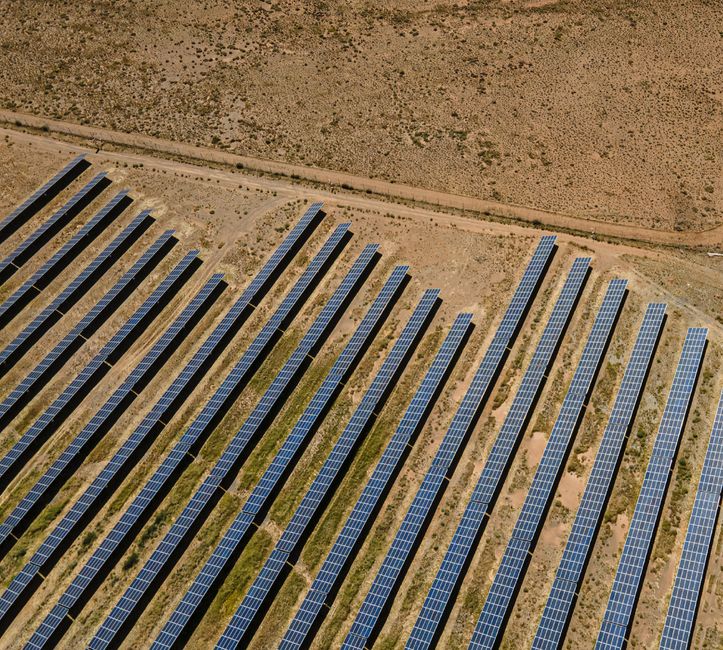
Pahrump Solar Project: Public Input Sought on Expansive Renewable Energy Development South of Town
The Bureau of Land Management (BLM) is actively soliciting public comments on a significant proposed solar energy project situated south of Pahrump, Nevada. This development, if approved, represents a substantial investment in renewable energy infrastructure for the region and carries potential implications for land use, environmental conditions, and local community dynamics. The BLM’s call for public input is a critical step in the environmental review process, allowing stakeholders to voice concerns, offer suggestions, and contribute valuable local knowledge that will inform the agency’s decision-making. The project area is strategically located, leveraging the abundant sunshine characteristic of the Mojave Desert to generate clean energy. Understanding the scope of the project, the potential impacts, and the avenues for public participation is paramount for any interested party. This article aims to provide a comprehensive overview of the Pahrump Solar Project, the public comment period, and the key considerations that will be central to the ongoing review.
The proposed Pahrump Solar Project is a large-scale solar photovoltaic (PV) facility designed to harness the sun’s energy and convert it into electricity. The project proponent aims to install a substantial number of solar panels across a significant acreage of public land administered by the BLM. While specific capacity figures and acreage are subject to ongoing review and may be clarified during the comment period, the general intent is to establish a utility-scale solar farm capable of supplying electricity to the regional grid. The project’s location, south of Pahrump, places it within an area characterized by its desert environment, a landscape that offers both advantages for solar generation and potential challenges in terms of environmental sensitivity. The design typically involves the installation of fixed-tilt or single-axis tracking solar arrays, inverters, transformers, and associated electrical infrastructure, including transmission lines to connect to the existing power grid. Access roads for construction and maintenance, and potentially fencing to secure the facility, are also integral components of such projects. The economic drivers behind such developments are multifaceted, encompassing the growing demand for renewable energy, federal and state incentives for solar power, and the desire to diversify energy portfolios away from fossil fuels. For communities like Pahrump, such projects can also represent opportunities for job creation, economic stimulus, and a contribution to national clean energy goals.
The BLM’s role in this process is as the land management agency responsible for overseeing the use of public lands. They are tasked with evaluating the project’s proposal against a backdrop of environmental regulations, land use policies, and public interest. The National Environmental Policy Act (NEPA) mandates that federal agencies consider the environmental impacts of proposed actions before making decisions. This often involves the preparation of an Environmental Assessment (EA) or an Environmental Impact Statement (EIS), depending on the potential significance of the impacts. The public comment period is a statutory requirement under NEPA and other relevant laws, ensuring that affected individuals, organizations, and governmental entities have an opportunity to participate in the decision-making process. The BLM will review all submitted comments, analyze them for their relevance and validity, and incorporate them into the environmental review. This iterative process allows for potential project modifications or the identification of mitigation measures to address identified concerns. The agency’s final decision, whether to approve, deny, or approve with modifications, will be based on a thorough consideration of the project proposal, the environmental analysis, and the input received from the public.
The public comment period for the Pahrump Solar Project is a crucial window for individuals and organizations to engage with the BLM and influence the project’s outcome. The BLM will publish official notices, typically in the Federal Register and local newspapers, announcing the availability of project documentation and the start and end dates for the comment period. These documents will likely include detailed project descriptions, maps of the proposed site, and preliminary analyses of potential environmental and socio-economic impacts. Comments can be submitted in various formats, including written submissions via mail or email, and sometimes through public meetings or hearings. It is essential for commenters to be specific and articulate their concerns clearly. Vague or general statements are less likely to be given significant weight. Providing data, referencing relevant regulations, or suggesting specific alternatives or mitigation strategies can greatly enhance the impact of a comment. Public meetings offer an opportunity for direct dialogue with BLM staff and project proponents, allowing for clarification and the exchange of information in a more interactive setting. Participating in this process is not merely an opportunity but a responsibility for those who have an interest in the future of the land and the community surrounding Pahrump.
The potential environmental impacts of a large-scale solar project are a primary focus during the review process. These can be diverse and are often site-specific. For a project south of Pahrump, key environmental considerations will likely include: Habitat and Biological Resources: The desert ecosystem is home to a variety of plant and animal species, some of which may be rare or endangered. The project’s footprint could lead to habitat loss, fragmentation, and direct impacts on wildlife through construction activities, increased human presence, and operational noise and light. Specific concerns might revolve around desert tortoise, migratory birds, and native vegetation. The BLM will assess the potential for direct and indirect impacts on these resources. Water Resources: While desert environments are characterized by low precipitation, understanding potential impacts on groundwater and ephemeral washes is important. Construction activities, dust suppression, and the operational needs of the facility, such as panel cleaning, could affect local water availability or quality. Soils and Geomorphology: Construction can lead to soil erosion and changes in landforms. The stability of the desert soils and the potential for wind and water erosion will be analyzed. Air Quality: Dust generated during construction and the operation of vehicles can temporarily impact local air quality. Long-term, the project contributes to reducing air pollution by displacing fossil fuel-generated electricity. Cultural and Historical Resources: The project area may contain archaeological sites or areas of cultural significance to Native American tribes or historical settlers. The BLM will conduct surveys to identify and assess any such resources and ensure they are protected. Visual Resources: Large solar arrays can alter the visual landscape. The project’s visual impact on surrounding areas, including scenic vistas and any designated areas of scenic importance, will be evaluated. Noise and Vibration: Construction activities and the operation of inverters and other equipment can generate noise, which may affect wildlife and nearby residents. Paleontological Resources: The desert southwest is rich in fossils. Surveys will be conducted to identify and protect any paleontological sites.
Beyond environmental concerns, the socio-economic impacts of the Pahrump Solar Project are also critical. These can include: Economic Development and Job Creation: The construction phase typically creates temporary jobs in labor, engineering, and logistics. During operation, there will be ongoing maintenance and management positions, though these are generally fewer in number. The project could also stimulate local businesses through the procurement of goods and services. Land Use Conflicts: The proposed solar project will occupy a significant area of public land. This could potentially conflict with existing or future land uses, such as grazing, recreation, or mineral extraction. The BLM will consider alternative land uses and the overall land management plan for the area. Infrastructure Impacts: The construction and operation of the solar facility may place demands on local infrastructure, including roads, water, and waste management services. The project proponent may be required to contribute to infrastructure upgrades or mitigation measures. Community Engagement and Social Fabric: Large-scale projects can impact the social dynamics of a community. Open communication and consideration of community concerns are vital to ensuring a positive relationship between the project and its neighbors. The BLM will consider how the project aligns with community development goals and potential social impacts.
The public comment process provides a structured mechanism for addressing these potential impacts. Specific avenues for public engagement include: Scoping Meetings: These are often the initial public engagement events where the BLM outlines the proposed project and solicits broad input on the scope of the environmental review. Public Hearings: Formal meetings where the public can present oral comments, which are recorded for the official record. Written Comments: The most common method, allowing for detailed and well-researched submissions. These can be submitted via mail, email, or through online portals. Interagency Coordination: The BLM also coordinates with other federal, state, and local agencies, tribes, and stakeholders, whose input is integral to the review.
The BLM’s review will culminate in a decision document, such as a Record of Decision (ROD) or a Decision Record (DR), which will detail the agency’s final determination. This decision will be informed by the environmental analysis, the consideration of public comments, and the project’s compliance with applicable laws and policies. The project proponent will be required to implement all identified mitigation measures and comply with specific operating conditions if the project is approved. Transparency and public accessibility are key components of this process. The BLM will make project documents, including the EA or EIS and the final decision, publicly available for review. Understanding the project proposal, the environmental considerations, and the public comment procedures is essential for effective participation in the decision-making process for the Pahrump Solar Project. The opportunity to influence the development of renewable energy resources on public lands is a significant one, and informed public engagement is crucial to ensuring that these projects are developed responsibly and sustainably. The ongoing development of solar energy in regions like Pahrump highlights the evolving energy landscape and the importance of public discourse in shaping its future.
