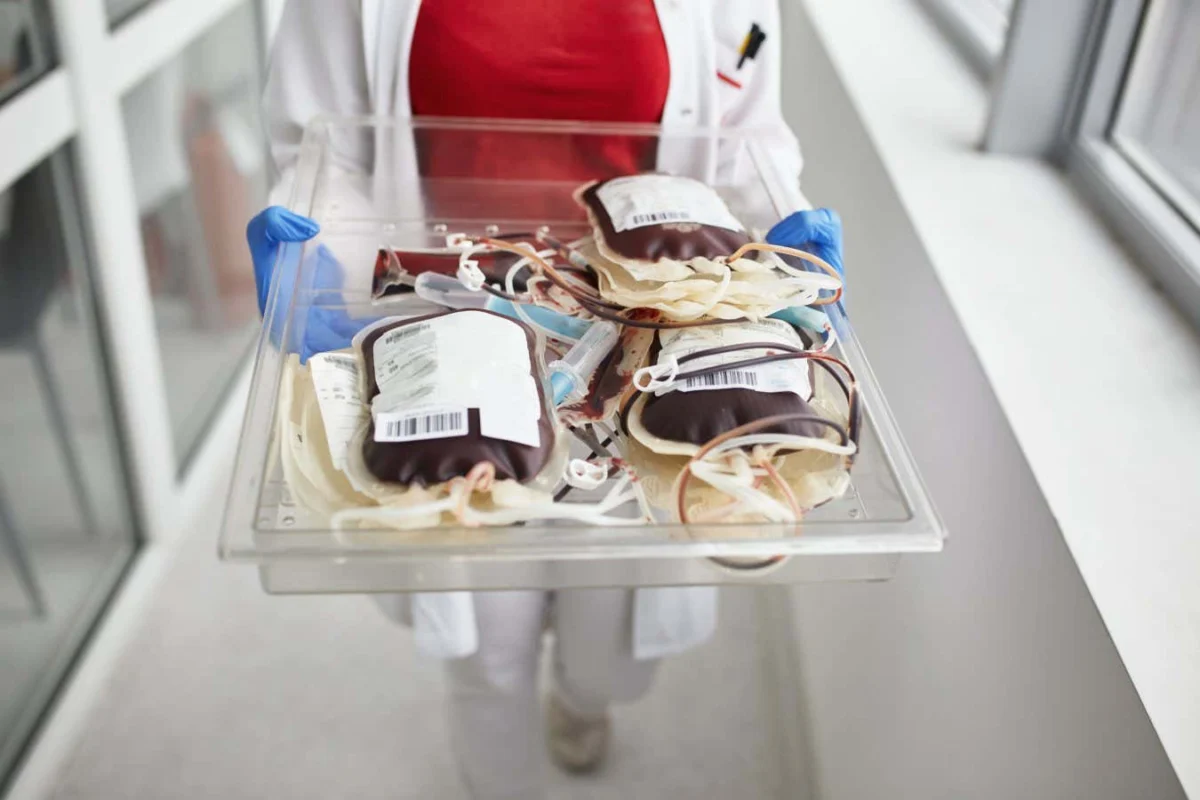
Hospitals across the globe are grappling with a new and concerning trend: patients demanding blood transfusions exclusively from donors who have not received COVID-19 vaccinations. This highly unusual request, often fueled by widespread misinformation, is not only creating logistical nightmares for healthcare providers but is also leading to dangerous delays in critical medical treatments, potentially jeopardizing patient lives. Medical professionals are urgently highlighting the scientific consensus that the blood supply remains safe and that such demands are not rooted in evidence-based transfusion concerns.
The issue gained significant attention when researchers at Vanderbilt University Medical Center in Nashville, Tennessee, analyzed blood donation practices within their facility. Their findings, published in a recent medical journal, revealed that between January 2024 and December 2025, a notable number of patients, or their designated caregivers, specifically requested directed blood donations. This means they sought blood from individuals they knew personally, rather than from the general, anonymized blood bank supply. The core of these requests was a deliberate exclusion of any donor who had been vaccinated against COVID-19.
A Surge in Misinformation-Driven Demands
Dr. Jeremy Jacobs, a lead researcher on the Vanderbilt study, expressed his deep concern over the trend. "These requests were often driven by misinformation about vaccine safety and the blood supply, rather than evidence-based transfusion concerns," he stated. "I think one of the most important broader points is that the community blood supply is already highly regulated and carefully screened, and there is no evidence that requesting unvaccinated blood improves transfusion safety."
The Vanderbilt team identified 15 patients who made these specific requests. The vaccination status of anonymized donors is not routinely recorded or disclosed by blood banks, making it impossible to fulfill such demands without resorting to directed donations. While directed donations are permitted more broadly in the United States compared to countries like the UK and Australia (where they are generally reserved for rare blood types or exceptional circumstances), they are often discouraged due to increased complexity and potential risks.
The Perilous Path of Delayed Transfusions
The consequences of these requests have been severe. The need to identify, screen, and collect blood from a specific, unvaccinated donor introduces significant delays into the transfusion process. In one critical case documented by the Vanderbilt researchers, a patient’s haemoglobin levels—essential for carrying oxygen throughout the body—dropped to a life-threatening level, increasing the risk of organ injury and failure. Another patient developed severe anaemia as a direct result of these delays.
"Directed donation is operationally more complex than using the routine blood supply," explained Dr. Jacobs. "It requires additional coordination, collection, processing, tracking, and timing. These added steps can be the difference between life and death for a patient in urgent need of a transfusion."
Furthermore, studies have indicated that directed donations can carry a higher risk of infection compared to blood from regular, community donors. This is often because directed donors may be providing blood on a one-off basis, potentially with less rigorous adherence to infection exposure protocols compared to repeat donors who are more familiar with blood bank procedures and are often more cautious about their health status.
Historical Context and the Shadow of COVID-19
The rise of directed donations linked to vaccination status is not entirely unprecedented. During the HIV/AIDS epidemic of the 1980s and early 1990s, similar anxieties led to an increase in directed donations. However, the current wave appears to be directly fueled by the widespread dissemination of misinformation surrounding COVID-19 vaccines.
The mRNA COVID-19 vaccines, which utilize a portion of the virus’s genetic code to train the immune system, have been rigorously tested and proven to be safe and highly effective by numerous global health organizations and scientific bodies. Despite this overwhelming evidence, conspiracy theories have proliferated online, falsely linking these vaccines to fertility problems, DNA alteration, and even the presence of microchips. These unfounded claims have unfortunately seeped into public consciousness, influencing critical healthcare decisions.
Scientific Reassurance and Global Echoes
Crucially, scientific research has consistently affirmed the safety of transfusing blood from individuals vaccinated against COVID-19. A study conducted in 2025 confirmed that there are no adverse effects associated with receiving blood donations from vaccinated individuals.
Dr. Ash Toye from the University of Bristol in the UK commented on the broader implications: "Requests for unvaccinated blood reflect broader uncertainty about vaccines among a proportion of the public, rather than any recognised transfusion risk."
The issue is not confined to the United States. The Welsh Blood Service reported last year that they were receiving inquiries about the vaccination status of blood donors. Similarly, a petition was submitted to the UK government calling for the segregation of blood donations based on vaccination status, although it was ultimately rejected. In a more concerning development, legislators in Oklahoma have proposed measures that would mandate patient access to blood from unvaccinated donors.
Addressing Concerns Amidst Misinformation
The operational burden placed on hospitals and blood providers by these misinformation-driven requests is substantial. Dr. Jacobs emphasized this point, stating, "These requests illustrate how misinformation can create real operational burdens for patients, hospitals and blood providers. At the same time, they underscore the importance of addressing patients’ concerns respectfully and thoughtfully, even when those concerns are not supported by evidence."
Healthcare systems are now facing the dual challenge of ensuring timely and safe medical care while also navigating the complex landscape of patient beliefs, often influenced by pervasive online disinformation. The consensus among medical professionals remains clear: the blood supply is safe, rigorously screened, and the best path forward is to rely on established transfusion protocols that prioritize patient well-being based on scientific evidence. The continued spread of misinformation, however, poses an ongoing threat to public health, demanding concerted efforts in public education and a steadfast commitment to evidence-based medicine.