The rapid expansion of the Orlando metropolitan area has long been characterized by a tension between the relentless pace of suburban development and the urgent need for environmental conservation. As Central Florida’s population has surged by nearly 80% since the turn of the millennium—climbing from 1.64 million residents in 2000 to approximately 2.95 million by 2025—the landscape has undergone a profound metamorphosis. Once-rural tracts of land, characterized by heritage orange groves, working cattle ranches, and expansive wetlands, have been systematically replaced by high-density subdivisions and commercial corridors. In response to this trend, PulteGroup has unveiled a transformative residential project on the eastern edge of Orlando: The Grow, a 1,200-acre master-planned community that seeks to reconcile the demand for new housing with the imperative of ecological stewardship.
The project, which represents a significant shift in land-use philosophy, aims to house approximately 2,200 families within an "agrihood" framework. Unlike traditional suburban developments that prioritize maximum buildable square footage, The Grow reserves more than 50% of its total acreage for permanent conservation, including protected wetlands and expansive green corridors. The centerpiece of this initiative is a 9-acre working farm, designed not merely as a decorative aesthetic, but as a functional engine for community interaction, agricultural production, and environmental education.
A Chronology of Development and Intent
The genesis of The Grow dates back to the strategic acquisition of the property by PulteGroup in 2023. Recognizing the growing public lament over the loss of "Old Florida," the developer sought to create a value proposition that transcended standard residential amenities. The planning phase focused on mitigating the environmental degradation typical of rapid land conversion by integrating existing natural features into the master plan rather than leveling them.
Following months of site preparation, the community celebrated its grand opening in late September 2026. This milestone marked the culmination of years of anticipation, as the project had been a subject of local discussion among prospective buyers seeking a departure from the "clear-cut" development model. Since the launch of pre-sales approximately six months prior to the grand opening, the project has recorded over 100 successful home sales, a notable achievement in a national housing market currently constrained by elevated interest rates and inflationary pressures on construction materials.
Economic Realities and the Sales Landscape
The current macroeconomic environment has presented significant headwinds for the residential construction sector. Elevated mortgage rates and shifts in consumer confidence have necessitated a more aggressive sales strategy for developers nationwide. At The Grow, where home prices range from the low $400,000s to the high $800,000s, PulteGroup has utilized targeted incentives—such as mortgage rate buydowns—to maintain consistent sales momentum.

Despite these hurdles, the unique nature of the agrihood has provided the developer with a distinct competitive advantage. Patrick McNamara, a sales manager at Pulte, notes that while traditional incentives are a functional necessity in the current market, the community’s design philosophy acts as the primary driver for lead generation. Prospective buyers are increasingly prioritizing quality of life, proximity to nature, and community-centric living, leading them toward developments that offer more than just a footprint for a dwelling.
The Mechanics of the Agrihood Model
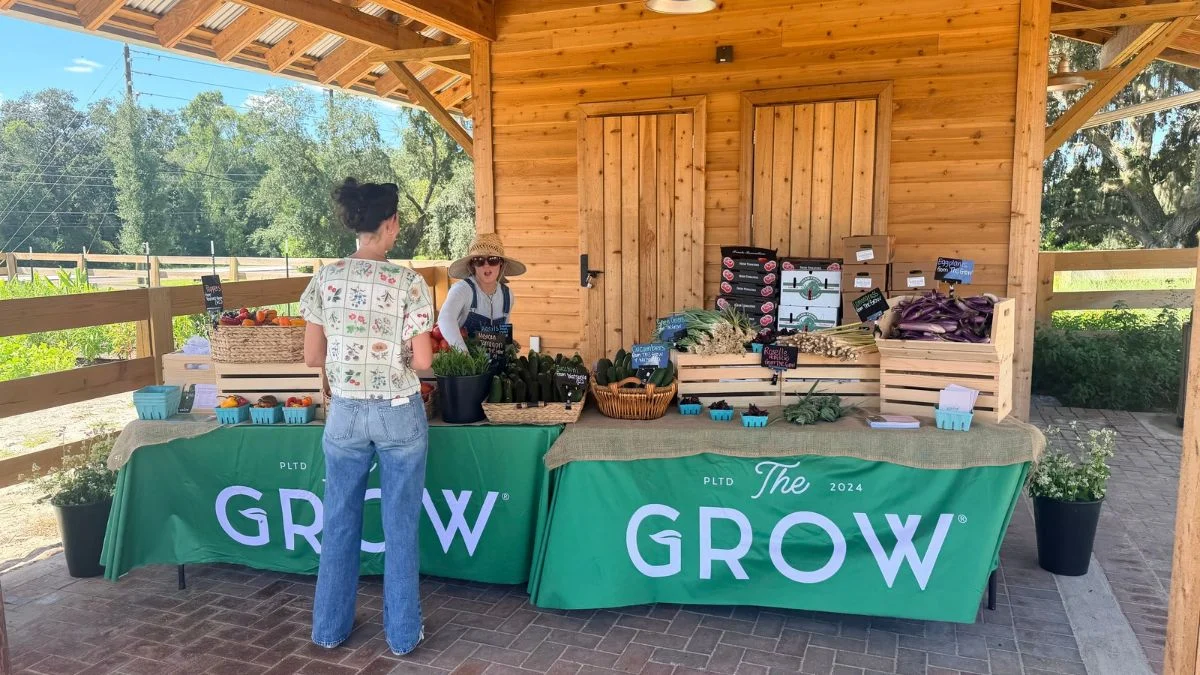
The functional heart of The Grow is its agricultural infrastructure. The 9-acre working farm is operated by a third-party professional management company, ensuring that the agricultural output is both sustainable and viable. However, the community is designed to be participatory. Residents are encouraged to engage with the land through volunteering, educational programming, and direct access to the harvest.
A resident-only general store, positioned as a key component of the community’s commercial and retail street, serves as the primary retail point for the produce grown on-site. This creates a closed-loop system where residents benefit from locally sourced, organic food products while gaining a deeper understanding of the seasonal cycles of Central Florida.
Beyond the main farm, the development incorporates a 0.125-acre demonstration farm and a community-managed plot. These spaces facilitate the "Seed the Table" program, an initiative designed to walk residents through the entire life cycle of food production—from planting and cultivation to harvest and culinary application. The integration of a lifestyle director who coordinates chef-led cooking classes in the community’s gathering barn underscores the developer’s commitment to fostering a culture of health and social connection.
Environmental Stewardship and Urban Design
The preservation of mature vegetation is perhaps the most significant differentiator between The Grow and the typical suburban subdivision. While most new construction projects involve the removal of existing trees—only to replace them with saplings that may take decades to provide significant shade or ecological value—PulteGroup has made the preservation of centuries-old oak trees a central design element.
These trees are treated as foundational features of the landscape, preserved in place to provide an immediate sense of maturity and character that is typically absent in new developments. This strategy not only serves an aesthetic purpose but also preserves existing habitats for local fauna and contributes to natural stormwater management—a critical factor in Florida’s flood-prone climate.

Furthermore, the integration of 170,000 square feet of retail and commercial space serves to localize the lifestyle experience. By creating a walkable "main street" environment, the project attempts to reduce reliance on automobile travel for routine errands, thereby aligning with broader smart-growth principles. The amenities—including a clubhouse, state-of-the-art gym, dog parks, and nature trails—are designed to create a "resort-style" atmosphere that reinforces the appeal of the community as a destination rather than a mere transit point for commuters.
Broader Implications for Florida’s Future
The emergence of projects like The Grow signals a potential pivot in the regional real estate market. As the population of the Sun Belt continues to expand, local governments and environmental advocates are exerting more pressure on developers to adopt sustainable practices. The success of this project could serve as a case study for future development, illustrating that environmental conservation and high-density residential housing are not necessarily mutually exclusive goals.
However, critics and urban planners remain cautious. While the agrihood model is an improvement over the sprawling, featureless developments of the past, it remains a high-end, master-planned solution. There are lingering questions regarding the scalability of such projects and their impact on overall housing affordability. As land prices in Central Florida continue to climb, the ability for developers to reserve 50% of a site for conservation—while maintaining a price point that is accessible to a broad demographic—remains a significant challenge.
For now, The Grow serves as a laboratory for a new kind of suburban life. By blending the efficiency of modern construction with the nostalgia of agrarian living, it addresses a fundamental psychological shift in the American homebuyer: a desire to feel connected to the land in an era of rapid digital and urban acceleration. Whether this model can influence industry standards or remains a luxury outlier will depend on the long-term success of the agricultural operations and the continued appetite of the market for "nature-immersive" living.
As PulteGroup continues to build out the community, the eyes of the development industry will remain fixed on this 1,200-acre tract. The intersection of sustainable farming, high-end retail, and massive residential scale is a complex ecosystem, but one that reflects the evolving priorities of a generation seeking to reconcile the benefits of suburban convenience with the necessity of preserving the vanishing character of the Florida landscape.