History, pageantry, and modern identity converged in solemn yet vibrant fashion as dozens of reenactors, historians, and local residents gathered at Brooklyn’s sprawling Green-Wood Cemetery. The occasion was a major commemoration marking a profound chapter in American history: the legacy of the Battle of Brooklyn, the largest engagement of the Revolutionary War.
Far from a typical academic symposium, the gathering functioned as a living museum. Participants donned meticulously hand-sewn 18th-century wool coats, crisp linen shirts, and authentic regimentals, transforming the historic grounds into a kinetic time capsule. Through the lens of street-style documentation and long-form journalism, the event highlighted not only the physical pageantry of historical reenactment, but also the diverse backgrounds of the modern citizens who dedicate their weekends to keeping the past alive.
Main Facts of the Commemoration
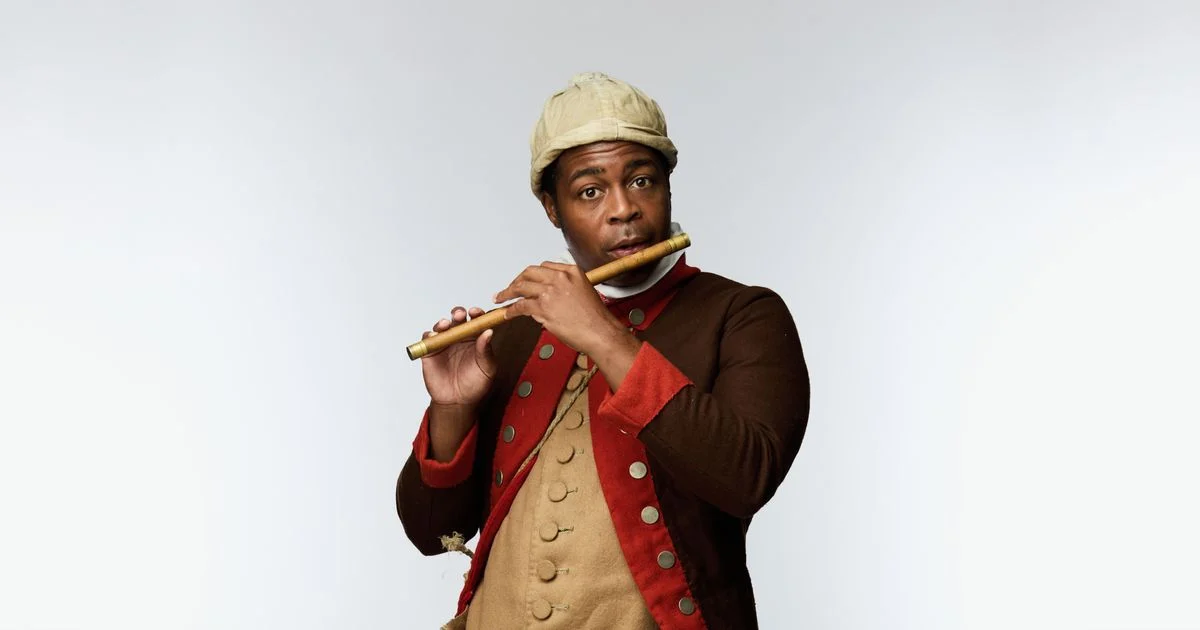
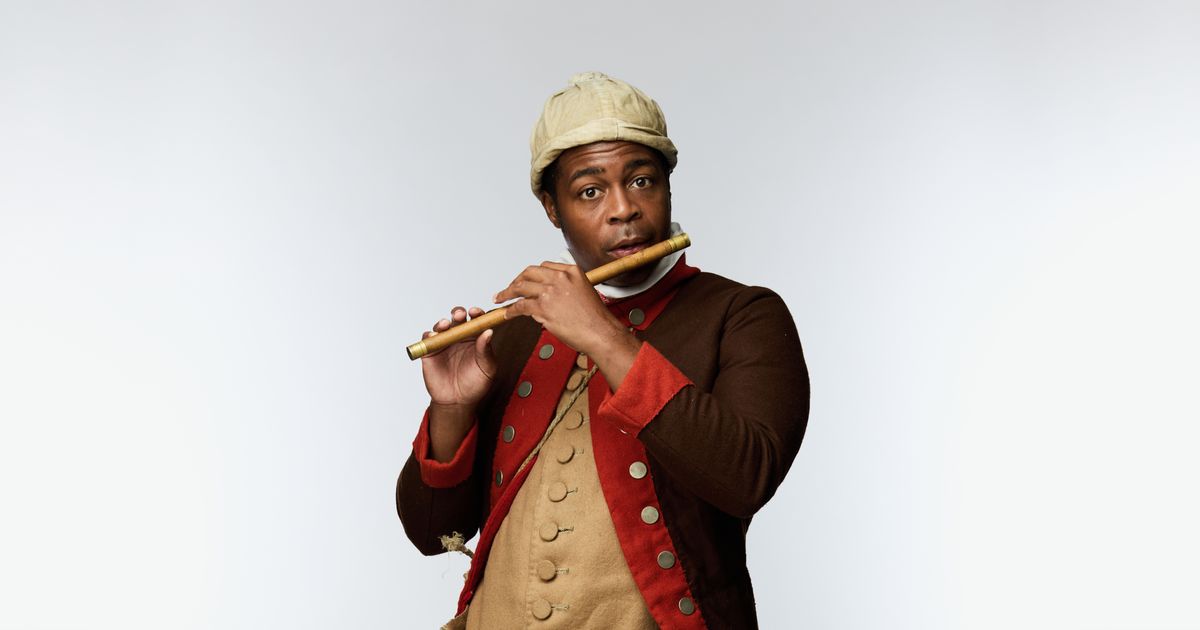
The commemoration drew participants from across the tri-state area and beyond, including business owners, teachers, museum educators, and retirees. Among them was Steven Thomas, a business owner from Pennsville, New Jersey, who has practiced historical reenactment and played the fife since he was ten years old. Thomas participated as part of the First Rhode Island Regiment, an organization dedicated to illuminating the contributions of Black soldiers during the Revolutionary War.
“There’s no army without communication, so military musicians are doing that job,” Thomas explained, challenging common tropes regarding young military musicians. “People have a misconception about drummers. They’re like, ‘Oh, they’re just drummer boys,’ but most of them were between 16 and 30. Have you ever seen a 10-year-old stand still? Then imagine him getting shot at and having to do a job while he’s doing it.”
The event served as a stage for contemporary interpreters to shed light on marginalized figures in early American history—including women, indigenous populations, and enslaved or free Black soldiers—who constituted a significant portion of General George Washington’s forces. Kevin Chapman, a tech sales representative from Easton, Pennsylvania, and a member of a Black historical-interpreter group, noted the emotional toll and deep sense of duty associated with his role. “It’s hard to get new recruits,” Chapman said. “There’s a lot of trauma that comes with putting on this uniform and telling these stories, but we do this to honor our ancestors. One in ten of Washington’s army were Black, so we want to feel part of this nation’s formation.”
Background Context: The Battle of Brooklyn
To understand the weight of the commemoration at Green-Wood Cemetery, one must look back nearly 250 years to the strategic crucible of late August 1776. The Battle of Brooklyn—also known as the Battle of Long Island—was the first major engagement of the American Revolutionary War following the Declaration of Independence, and by far the largest battle of the entire conflict in terms of troop deployment.
On August 27, 1776, British forces under the command of General Sir William Howe launched a massive, coordinated surprise attack against General George Washington’s Continental Army positions in what are now the neighborhoods of Brooklyn and Flatbush. British troops outmaneuvered the Americans by executing a covert night march through the unguarded Jamaica Pass, enveloping the Continental left flank.
The battle resulted in a decisive British victory, inflicting heavy casualties on the American forces—with estimates ranging upwards of 2,000 killed, wounded, or captured. Despite the catastrophic tactical defeat, the engagement showcased critical moments of valor. Notably, the Maryland 427—a regiment of courageous young soldiers—executed a desperate series of rear-guard actions against overwhelming odds, allowing the bulk of Washington’s battered army to successfully retreat across the East River to Manhattan under the cover of a dense morning fog. Without this perilous nocturnal evacuation, the Revolutionary War likely would have ended in total defeat that autumn.
Green-Wood Cemetery itself sits directly atop some of the most fiercely contested terrain of the 1776 battle, specifically around the heights of Battle Hill, the highest point in Brooklyn. Today, the cemetery houses a towering monument dedicated to the Maryland soldiers, serving as hallowed ground for military historians and New Yorkers alike.
Chronology and Living History
The modern commemoration followed a carefully choreographed timeline designed to mirror the rhythms of the 18th-century campaign, albeit compressed into a single day of immersion.
- Early Morning Deployment: Reenactors arrived before dawn to check muskets, adjust woolen waistcoats, and organize camp logistics across the rolling hills of Green-Wood Cemetery.
- The March and Tactical Maneuvers: Platoon units marched onto the historic fields, executing simulated drills that tested physical endurance. Michael Deller, a history teacher from Danbury, Connecticut, described the visceral reality of the exercise: “After our march onto the field, our platoon retreated and became disorganized. We were running all over each other, sweat was dripping in my eyes, and I realized it’s the same thing these guys would have experienced. We weren’t in immediate danger, but it felt like we were in the cockpit.”
- Afternoon Dialogues and Public Engagement: Following the tactical demonstrations, participants interacted with modern spectators, answering questions about period-accurate nutrition, espionage networks, and genealogical research.
- Camp Life and Respite: Reenactors retired to encampments to share rations, converse with the public, and reflect on the geographical continuity of modern Brooklyn resting over revolutionary soil.
Supporting Data and Participant Demographics
The demographic makeup of the Green-Wood gathering reflects a broader nationwide trend in public history: a growing desire among everyday citizens to engage in tactile, hands-on historical research rather than passive consumption.
Participants hailed from diverse professional backgrounds, bridging the gap between academia, corporate life, and blue-collar labor:
- Michelle Graves, a flight attendant from Newark, New Jersey, utilized the event to advance her genealogical research as a member of the Daughters of the American Revolution, noting she has identified over 30 patriot ancestors.
- Steve Coe, a retiree from Windsor Terrace, portrayed an espionage operative—specifically a wounded British soldier hiding in the parlor of a politically conflicted local resident, Mrs. Whetten, who managed to covertly aid the rebel cause while feeding royal troops.
- Michael Grillo, a professional historical interpreter from Scarsdale, appeared as General George Washington, accompanied by his wife, who portrays Martha Washington—a partnership born from a shared passion for 18th-century history and preservation volunteering at New York’s historic Fraunces Tavern.
Broader Impact and Implications
The convergence of historical reenactment and contemporary urban life at Green-Wood Cemetery carries broader implications for cultural education and civic memory in the 21st century. As public monuments nationwide face reevaluation, living history events offer an interactive alternative to static bronze statues. By prioritizing marginalized narratives—such as the vital contributions of Black regiments and female camp followers—modern reenactment groups are democratizing the historical record.
Furthermore, events held within dense urban centers like New York City serve a vital preservationist function. They remind residents that modern grid systems, brownstone neighborhoods, and subway lines are physically superimposed over landscapes of profound sacrifice. Through meticulous sartorial recreation and rigorous historical dedication, participants in the Battle of Brooklyn commemoration ensure that the turbulence, terror, and triumph of 1776 remain visible, tangible, and relevant to the modern metropolis.