
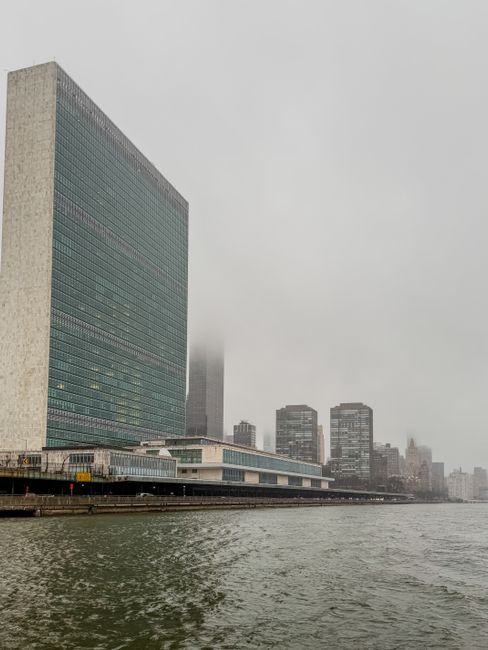
UN General Assembly: NYC Braces for Heightened Security and Significant Traffic Disruptions
The annual United Nations General Assembly (UNGA) convenes in New York City, transforming the city into a focal point of global diplomacy and, inevitably, a hub of heightened security measures that invariably lead to substantial traffic disruptions. This international summit, typically held in September, draws heads of state, diplomats, and delegates from nearly every nation, necessitating an unprecedented level of security to safeguard these high-profile individuals and ensure the smooth functioning of the proceedings. The security apparatus surrounding the UNGA is a complex, multi-layered operation involving federal, state, and local law enforcement agencies, as well as international security services. This intricate coordination is designed to prevent any potential threats, ranging from peaceful protests that could escalate to actual security breaches, from impacting the safety of attendees or the integrity of the assembly. The sheer volume of VIPs, their entourages, and the associated security details creates a logistical challenge of immense proportions, directly impacting the daily lives of New Yorkers through unavoidable traffic congestion and restricted access.
The primary driver of traffic disruptions is the extensive security perimeter established around the United Nations Headquarters in Midtown Manhattan, specifically on First Avenue between 42nd and 48th Streets, and extending to surrounding blocks. During the UNGA, these areas are subject to road closures, both permanent and temporary, often on short notice. Access to and from the East Side of Manhattan becomes severely limited, impacting commuters, residents, and businesses alike. Commuter routes, particularly those utilizing major arteries like FDR Drive, Queensboro Bridge, and the Midtown Tunnel, frequently experience significant slowdowns or complete shutdowns. The increased presence of law enforcement vehicles, security checkpoints, and the movement of official motorcades create bottlenecks that ripple through the city’s already strained transportation network. Beyond the immediate vicinity of the UN, security protocols extend to key transportation hubs, hotels where delegates are housed, and other important venues, further compounding the traffic challenges. The economic impact, while secondary to security concerns, is also a consideration, as businesses in affected areas can experience reduced foot traffic and delivery delays.
The security measures implemented for the UNGA are multi-faceted and comprehensive. At the forefront is the physical security of the UN Headquarters, with armed officers from the NYPD, FBI, and UN Security Council patrolling the perimeter and interior. This includes the deployment of specialized units, such as bomb squads, K-9 units, and counter-terrorism teams, to detect and neutralize any potential threats. Surveillance is omnipresent, with a network of CCTV cameras monitoring public spaces and intelligence gathering operations working to identify and mitigate any risks before they materialize. The airspace above Manhattan is also restricted during the UNGA, with no-fly zones established to prevent aerial threats. Air traffic control cooperates with security agencies to monitor and control all aircraft in the vicinity. Beyond the visible presence of security personnel and equipment, there is a significant, often unseen, intelligence-gathering and coordination effort. Federal agencies share information with local law enforcement, and international partners provide intelligence on potential threats originating from abroad. This collaborative approach is crucial in managing the complex security landscape of such a high-profile global event.
The impact on New York City’s public transportation system is also considerable. While efforts are made to maintain service, the detours and closures inevitably affect bus routes, leading to delays and longer travel times. Subway lines, while generally less affected by surface road closures, can experience increased ridership as commuters opt for alternative modes of transport. Stations near the UN Headquarters may also see heightened security presence, and access to certain platforms or exits might be temporarily restricted. The Metropolitan Transportation Authority (MTA) typically issues advisories regarding service changes and potential delays, urging commuters to plan their journeys accordingly and to allow for extra travel time. The sheer volume of people converging on the city for the UNGA, combined with the security-related disruptions, places an immense strain on the entire transit infrastructure, highlighting the delicate balance between hosting a global event and maintaining essential city services for its residents.
The sheer logistical challenge of hosting thousands of delegates, their staff, and security personnel is immense. The United Nations itself implements stringent access controls and security clearances for all individuals entering the premises. This involves a rigorous vetting process for anyone associated with the General Assembly, ensuring that only authorized personnel gain entry. The Presidential delegations and other high-ranking officials often travel with their own dedicated security teams, further augmenting the security presence and contributing to the extensive motorcade movements that are a hallmark of the UNGA. The planning for these movements begins months in advance, involving detailed route reconnaissance, contingency planning for emergencies, and close coordination with traffic management agencies. The goal is to minimize disruption while maximizing security, a task that requires constant adaptation and a high degree of flexibility in response to evolving circumstances. The NYPD plays a pivotal role in managing the on-the-ground security operations, including traffic control, crowd management, and the provision of tactical support.
The economic ramifications for New York City, particularly for businesses located in and around the UN Headquarters, are a recurring concern during the UNGA. While the influx of international visitors can provide a boost to the hospitality and retail sectors, the concurrent security measures and traffic disruptions can have a detrimental effect. Many businesses report a significant decline in foot traffic as commuters avoid the area and residents opt to stay home. Delivery services face considerable delays, impacting supply chains and operational efficiency. Restaurants and shops may experience reduced customer numbers, and some may even close temporarily due to accessibility issues. The city often implements measures to mitigate these economic impacts, such as providing business advisories and facilitating communication between businesses and law enforcement agencies. However, the inherent nature of the UNGA’s security requirements often means that some level of economic disruption is unavoidable. The long-term economic benefits of hosting the UNGA, such as the city’s global standing and diplomatic influence, are weighed against these short-term challenges.
The planning and execution of security for the UNGA are a continuous learning process. Each year, law enforcement and security agencies analyze the previous year’s operations, identifying areas for improvement and adapting strategies to address emerging threats. The increasing sophistication of potential threats, from cyber-attacks to lone-wolf incidents, necessitates a dynamic and proactive approach to security. This involves investing in advanced technology, enhancing intelligence sharing capabilities, and fostering strong inter-agency cooperation. The role of public awareness and cooperation is also crucial. The city relies on its residents to be vigilant, to report suspicious activity, and to be patient and understanding of the inconveniences caused by the security measures. Public service announcements and media campaigns are often employed to inform the public about expected disruptions and to provide guidance on how to navigate the city during the UNGA.
The presence of numerous protests and demonstrations is an integral part of the UNGA. While these are generally peaceful expressions of opinion, their potential to disrupt security and traffic necessitates careful monitoring and management. Law enforcement agencies work to facilitate the right to protest while ensuring that these demonstrations do not infringe upon the safety and security of the UN delegates or the general public. Designated protest zones are often established, and police presence is heightened to manage crowds and prevent any escalation of tensions. The communication between protest organizers and law enforcement is a key element in managing these events effectively, aiming to balance freedom of expression with the need for public order and security.
The diplomatic significance of the UN General Assembly cannot be overstated. It provides a crucial platform for global dialogue, conflict resolution, and the advancement of international cooperation. The security measures, while disruptive, are a necessary byproduct of ensuring the safety of the world leaders who gather to address pressing global issues. New York City, as the host city, plays a vital role in facilitating these crucial discussions, and its residents often bear the brunt of the logistical challenges. The constant ebb and flow of security protocols, traffic rerouting, and the sheer presence of an international security presence create a unique urban dynamic during this period. The city’s ability to manage these complexities underscores its resilience and its commitment to supporting global diplomacy, even at the cost of temporary inconvenience. The annual recurrence of the UNGA serves as a reminder of the interconnectedness of global affairs and the tangible impact these events have on the local landscape of host cities. The ongoing efforts to refine security protocols and minimize disruption are a testament to the collaborative spirit required to host such an important international gathering.
