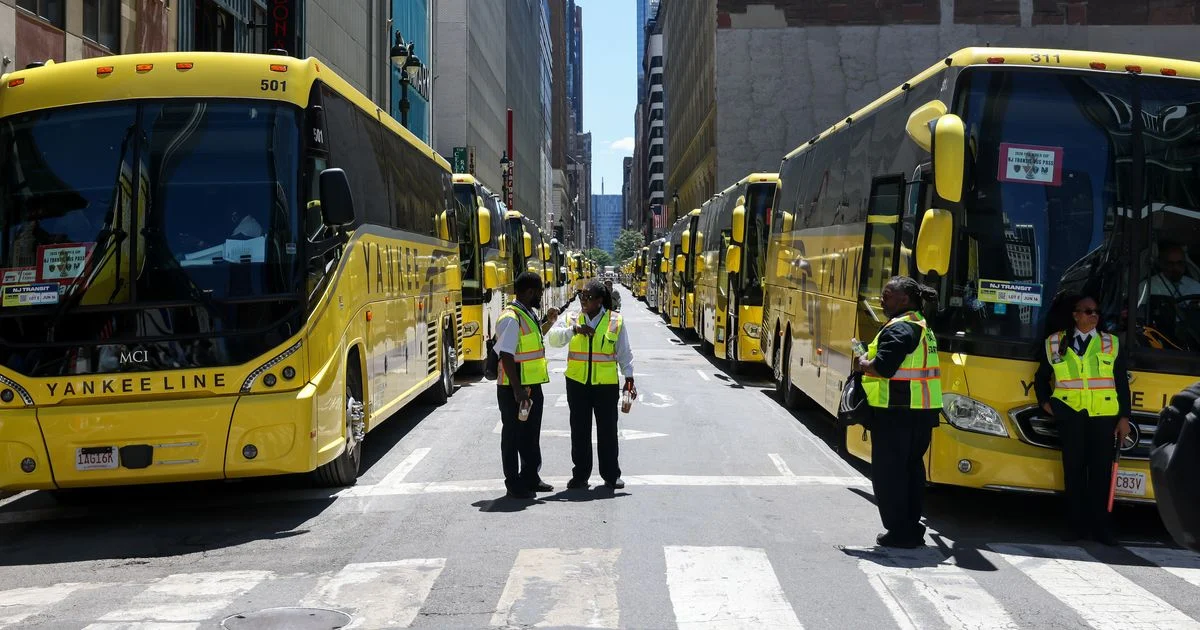
The summer of 2026 transformed Midtown Manhattan into a high-stakes laboratory for urban planning, as New York City implemented a series of radical traffic interventions to accommodate the surge of visitors for the FIFA World Cup. On eight separate occasions throughout June and July, the city’s Department of Transportation (DOT) and the Mayor Zohran Mamdani administration enacted a sweeping "match day" protocol that effectively re-engineered the heart of the city. The results of this experiment—ranging from significant increases in transit speeds to vocal protests from the local business community—have now ignited a fierce debate over the future of New York’s iconic crosstown thoroughfares.
The Scope of the World Cup Intervention
The logistical challenge was immense. With MetLife Stadium in East Rutherford, New Jersey, serving as a primary venue for the tournament, including the highly anticipated final on Sunday, July 19, New York City acted as the de facto base camp for hundreds of thousands of international fans. The final alone saw a record-breaking attendance of approximately 80,000 spectators at the stadium, at least half of whom relied on public transit to navigate the five-mile gap between Manhattan and the Meadowlands.
To prevent a total collapse of the Midtown grid, the city designated the 42nd Street corridor—stretching from First Avenue to 12th Avenue—as a dedicated bus-and-shuttle-only zone. This restriction was supplemented by the closure of several side streets and significant portions of Fifth and Sixth Avenues to private vehicular traffic. Furthermore, the city implemented a draconian ban on truck deliveries from 30th to 60th Street, with restrictions often lasting up to 13 hours a day. These measures were designed to facilitate the movement of thousands of shuttle buses ferrying fans from the Port Authority Bus Terminal and Grand Central Terminal toward the Hudson River crossings.
A Breakthrough for Surface Transit
For decades, the M42 bus route has been a symbol of New York’s congestion woes. Frequently cited by the Straphangers Campaign as one of the slowest routes in the city, the M42 often averages a speed of just five miles per hour—roughly the pace of a brisk walk. However, the World Cup experiment offered a glimpse of a different reality.
Data released by city transit officials following the tournament’s conclusion indicates that during the match-day restrictions, bus travel times improved by an average of 23 percent. This occurred despite an estimated one million additional visitors circulating through the city. Digital documentation from transit advocates and reporters showed buses "gliding" through once-clogged lanes. One Streetsblog reporter documented a journey across the 42nd Street corridor that was eight minutes faster than the historical average for that time of day.
Danny Pearlstein, policy and communications director for the Riders Alliance, hailed the experiment as a definitive success for the city’s bus riders. "Forty-second Street proved that when you prioritize people over private cars, the system works," Pearlstein noted. He and other advocates are now leveraging this data to argue for a permanent busway on 42nd Street, modeled after the successful 14th Street Busway implemented in 2019.
The Economic and Logistical Friction
While transit advocates celebrated the newfound efficiency of the bus lanes, the experiment drew sharp criticism from the city’s commercial and hospitality sectors. The primary point of contention was the restriction on delivery trucks, which many business owners described as a logistical nightmare that threatened their daily operations.
Andrew Rigie, executive director of the NYC Hospitality Alliance, reported widespread frustration among restaurant and bar owners. The inability to receive perishable goods during the 13-hour restriction windows forced many establishments to scramble. According to Rigie, the communication from City Hall was a significant factor in the friction. Although the World Cup had been on the calendar for years, the specific "match day" transportation plan was only made public in late May, leaving businesses just two weeks to overhaul their supply chains.
"They knew the World Cup was coming for years," Rigie said. "They could’ve given more than a week’s notice, which forced people to scramble."
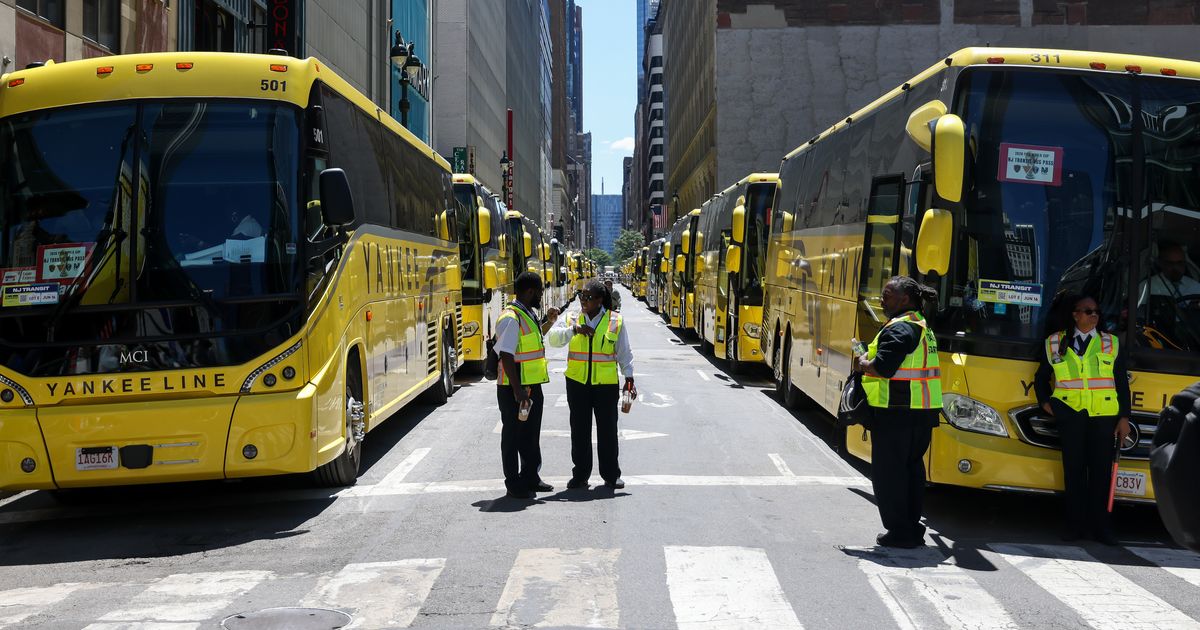
The Grand Central Partnership, which manages the area’s business improvement district, also highlighted the unintended consequences of the street closures. Fred Cerullo, the organization’s president, noted that the shutdown of the taxi stand outside Grand Central created a vacuum for commuters. "People were coming out expecting to find transportation and found nothing," Cerullo said, describing the situation as a significant burden on the district’s functionality.
Micro-Impacts: The Street-Level Perspective
The impact of the experiment varied wildly depending on the specific nature of the business. At Pershing Square, a popular bistro located directly across from Grand Central, the hostess reported that business remained steady, as most patrons arrived via the subway and entered the restaurant on foot. Similarly, street vendors near the New York Public Library noted that their "grab-and-go" model was largely unaffected by the lack of vehicular traffic.
However, for small retail and service businesses, the restrictions were more punishing. Kirit Prajapati, who operates a newsstand at 42rd Street and Madison Avenue, described the period as a "headache." He noted that delivery drivers were forced to park blocks away, and the resulting confusion led to parking tickets that often became the financial responsibility of the newsstand owner. Prajapati expressed a sentiment common among long-time Midtown stakeholders: "It wasn’t broken; don’t try to fix it."
In contrast, Aaliyah Campa, manager of Neuhaus Chocolates at 42nd Street and Park Avenue, observed a "ghost town" effect during the height of the closures, which led to a noticeable dip in sales. Yet, when presented with the idea of a permanent busway—where private cars are restricted but deliveries and transit are streamlined—Campa was more optimistic. "Oh, that would be nice," she said. "Because there’s way too much traffic here."
The Precedent and the Future Blueprint
The World Cup traffic experiment did not happen in a vacuum. It follows a decade of incremental shifts in New York City’s approach to street design. The 14th Street Busway, initially met with fierce legal opposition from local block associations, has since become a global gold standard for rapid surface transit. Following its success, the city expanded the model to 181st Street in Manhattan and Main Street in Queens.
The Mamdani administration has already used the 2026 World Cup as a catalyst for permanent infrastructure changes, including the widening of bike lanes and sidewalks on portions of Sixth Avenue. This has led many to believe that 42nd Street is next on the list for a permanent redesign.
The New York City Department of Transportation’s latest "Next Stop" blueprint identifies the "Midtown Crosstown" corridor as one of 50 priority zones where the city aims to increase bus speeds by 20 percent by 2030. The World Cup data suggests that a 23 percent increase is not only possible but achievable even under the stress of a global sporting event.
Analytical Implications: What Comes Next?
The "Miracle on 42nd Street" campaign, led by the advocacy group Transportation Alternatives, is now calling for a full redesign of the corridor. Their proposal includes not only a dedicated busway but also protected bike lanes and significantly wider sidewalks to accommodate the millions of tourists who visit the area annually.
The challenge for the city moving forward will be balancing these transit gains with the "unseen" economy of Midtown—the thousands of trucks that restock pharmacies, deliver fresh produce to restaurants, and haul away refuse. Critics of the World Cup experiment argue that while the "ghost town" streets were pleasant for pedestrians, they were unsustainable for a city that relies on a constant flow of goods.
As the DOT begins its post-tournament evaluation, the 42nd Street experiment stands as a pivotal moment in New York’s urban evolution. It proved that the city could, with the stroke of a pen, eliminate the congestion that has defined Midtown for a century. Whether the city has the political will to make that change permanent—while addressing the legitimate concerns of the business community—remains the defining question for the post-World Cup era. For now, the "leisurely stroll" of the M42 has been replaced by the possibility of a "light jog," a small but significant shift in the rhythm of the city that never sleeps.