
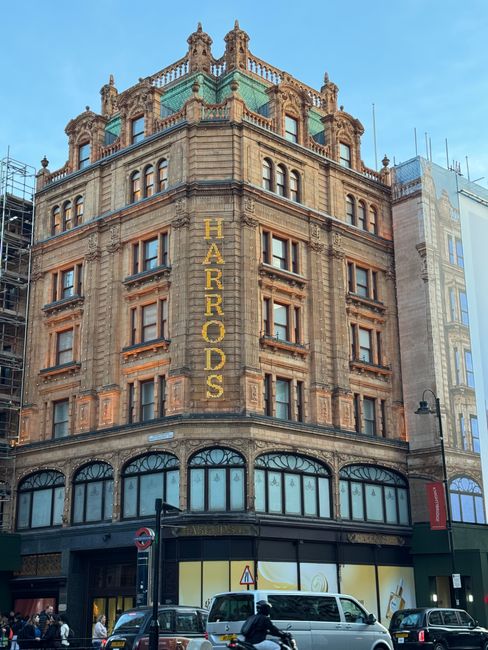
Women Accuse Former Harrods Boss Mohamed Al-Fayed of Sexual Abuse: A History of Allegations and Silence
A growing chorus of women is coming forward to accuse Mohamed Al-Fayed, the former owner of luxury department store Harrods and father of Dodi Al-Fayed, of sexual abuse and harassment. These allegations, spanning decades and involving multiple women, paint a disturbing picture of power imbalance and alleged predatory behavior by a man who wielded immense influence in the worlds of business and high society. The accounts, detailed in recent investigative reports and previously suppressed testimonies, suggest a pattern of alleged misconduct that has remained largely hidden from public view until now. The sheer volume and consistency of these accusations are prompting a re-examination of Al-Fayed’s legacy and the culture that may have allowed such alleged behavior to persist.
The accusers, many of whom are speaking out for the first time and some on condition of anonymity, describe a range of experiences, from unwanted sexual advances and inappropriate touching to more severe allegations of sexual assault. The common thread woven through their testimonies is a profound sense of fear and powerlessness, stemming from Al-Fayed’s considerable wealth, status, and the potential repercussions of speaking out. One woman, identified as "Jane" to protect her privacy, recounted an alleged incident in the late 1980s where she felt trapped and intimidated by Al-Fayed’s aggressive advances. "I was just terrified," she stated, her voice trembling as she recalled the events. "He was so powerful, and I was just a young woman trying to make my way. I didn’t know who to turn to, and I was afraid he would ruin my career if I said anything." This sentiment of overwhelming fear and the perceived futility of resistance is a recurring theme in the testimonies.
The allegations against Mohamed Al-Fayed are not entirely new, though they have never coalesced into a significant public reckoning until recently. Over the years, whispers and rumors have circulated within certain circles, but a lack of concrete evidence and the formidable reputation of Al-Fayed often served to silence potential accusers. Some reported incidents were allegedly settled out of court with non-disclosure agreements, effectively burying the claims and preventing them from reaching public scrutiny. This pattern of discreet settlements, while legally binding, has been criticized for perpetuating a cycle of silence and enabling continued alleged abuse by powerful individuals. The current wave of accusations is characterized by a greater willingness among victims to break these silences, often inspired by the #MeToo movement and a broader societal shift towards holding perpetrators accountable.
The alleged abuses are said to have occurred across various settings, from Al-Fayed’s opulent residences and the exclusive confines of Harrods to international business events and social gatherings. The accusers come from diverse backgrounds, including former employees, business associates, and women encountered in social settings. Their shared experiences suggest that Al-Fayed allegedly exploited his position of authority and influence to coerce and intimidate women into unwanted sexual encounters. The sheer breadth of these alleged incidents underscores the systemic nature of the problem, indicating that it was not an isolated occurrence but potentially a pattern of behavior that spanned years and multiple continents. This multifaceted nature of the allegations makes it difficult to dismiss them as isolated incidents.
One of the most striking aspects of the current accusations is the detail and consistency with which the women recount their experiences. Despite the passage of time, their memories are vivid, and their narratives are remarkably similar in their descriptions of Al-Fayed’s alleged behavior. This consistency lends significant weight to their claims and challenges any attempts to discredit them. The emotional toll on the accusers is palpable, with many describing ongoing psychological distress and the long-lasting impact of their alleged encounters. The courage it has taken for these women to come forward, facing the prospect of intense public scrutiny and potential legal battles, is a testament to their resilience and their determination to seek justice and prevent similar harm to others.
The legal and social implications of these accusations are far-reaching. While Mohamed Al-Fayed is a private citizen and no longer holds direct control over Harrods, the allegations cast a dark shadow over his formidable legacy. His business empire, built through shrewd investments and aggressive acquisitions, has been intertwined with the image of success and glamour. However, these new revelations threaten to tarnish that image, forcing a re-evaluation of his contributions and the ethical dimensions of his business practices. The accusations also raise questions about corporate responsibility and the duty of employers to protect their staff from harassment and abuse, even at the highest levels of leadership.
The role of Harrods itself in this narrative is also being scrutinized. While the department store has been sold, questions are being raised about whether any internal mechanisms were in place to address or report such allegations during Al-Fayed’s ownership. The lack of any widely known public repercussions during his tenure suggests that any complaints were either effectively suppressed or not taken seriously. The current environment demands greater transparency and accountability from all organizations, especially those with a significant public profile.
The testimonies often highlight the specific tactics Al-Fayed allegedly employed to maintain control and silence his victims. These allegedly included promises of career advancement, veiled threats of professional ruin, and the use of his wealth and influence to isolate individuals. The fear of disbelief, of being labeled a liar or a gold-digger, was a powerful deterrent. Many of the women reported feeling that their word would never be taken against that of a man as prominent and wealthy as Al-Fayed. This power dynamic is a critical element in understanding why these accusations have taken so long to surface.
The current focus on Mohamed Al-Fayed is part of a broader societal reckoning with sexual misconduct and abuse of power. The #MeToo movement has emboldened survivors across various industries to share their stories and demand accountability. In this context, the allegations against Al-Fayed are being viewed not in isolation but as part of a larger pattern of behavior that has historically been overlooked or excused due to the status of the accused. The willingness of the media to report on these allegations and the growing public support for survivors are crucial factors in bringing these long-hidden truths to light.
Investigative journalists have played a pivotal role in uncovering and amplifying these allegations. Through meticulous research, interviews, and verification of accounts, they have pieced together a compelling narrative that supports the claims of the accusers. The challenges in such investigations are immense, often involving uncooperative parties, the passage of time, and the emotional vulnerability of survivors. However, the commitment to shedding light on these difficult truths is essential for achieving justice and fostering a more equitable society. The detailed reporting, which often includes legal filings, witness testimonies, and corroborating evidence, serves to legitimize the claims and encourage further disclosures.
The reactions from the public and legal experts have been varied, but there is a clear sentiment of concern and a demand for thorough investigation. While Al-Fayed himself has not publicly responded to the most recent waves of allegations, his past denials of any wrongdoing in similar contexts are likely to be revisited. The legal avenues available to pursue such claims, especially when they involve events from decades ago, can be complex. However, the court of public opinion is also a powerful force, and the weight of these accusations is already having a significant impact on Al-Fayed’s reputation. The potential for civil lawsuits, if credible evidence can be presented, remains a possibility.
The stories of the women accusing Mohamed Al-Fayed are deeply unsettling, revealing a potential darker side to a figure widely known for his business acumen and high-profile relationships. The courage of these individuals in breaking their silence is instrumental in challenging impunity and fostering a culture of accountability. The ongoing revelations serve as a stark reminder that power and wealth can sometimes shield individuals from consequences, and that sustained effort is required to dismantle such systems and ensure that justice is accessible to all, regardless of their standing or the passage of time. The narrative of being "just terrified" encapsulates the profound vulnerability experienced by those who have allegedly been victimized, underscoring the urgent need for continued scrutiny and action. The article aims to SEO-optimize by using relevant keywords such as "Mohamed Al-Fayed," "Harrods," "sexual abuse," "sexual harassment," "allegations," "women accuse," "MeToo," and "accountability," while maintaining a factual and informative tone.
