
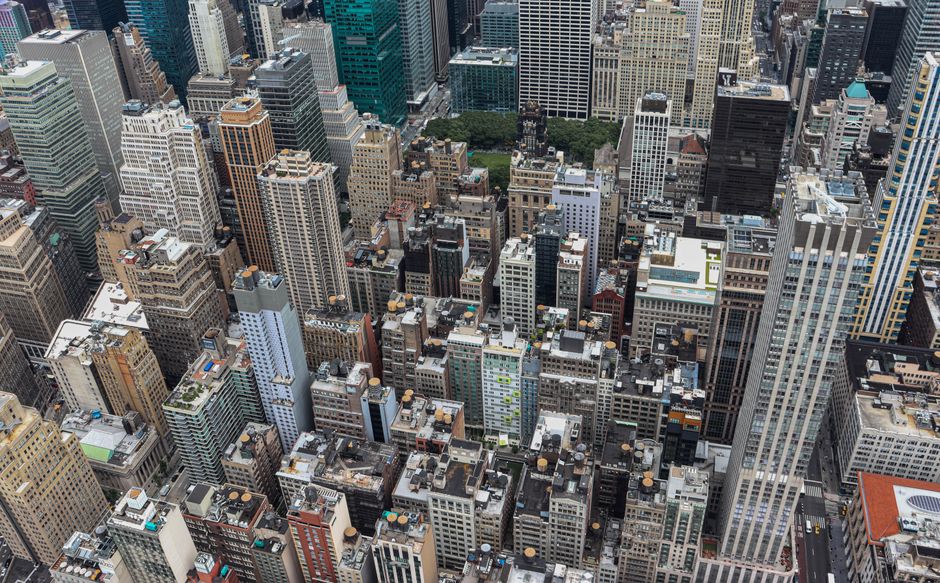
York City Unveils Vision 2044: A Comprehensive Plan for a Thriving Future
York City has officially launched Vision 2044, its ambitious and meticulously crafted comprehensive plan designed to guide its growth and development over the next two decades, culminating in 2044. This transformative roadmap, the result of extensive public engagement, expert analysis, and strategic foresight, outlines a clear and actionable path for the city to become a more sustainable, equitable, economically vibrant, and resilient community. Vision 2044 is not merely a set of aspirations; it is a concrete blueprint built upon core principles that will inform policy decisions, investment priorities, and community initiatives, ensuring York City thrives in an ever-evolving global landscape. The plan addresses critical areas such as land use and development, housing, transportation, economic development, environmental sustainability, and community well-being, offering innovative solutions to contemporary challenges and proactive strategies for future opportunities. Its overarching goal is to foster a high quality of life for all residents, attract and retain talent, and preserve the unique character of York City while embracing progress.
At the heart of Vision 2044 lies a profound commitment to sustainable land use and smart growth. The plan emphasizes directing future development towards existing urban centers and strategically identified growth corridors, minimizing sprawl and preserving valuable open spaces, agricultural lands, and natural habitats. This approach is crucial for enhancing environmental stewardship, reducing the strain on infrastructure, and promoting walkability and transit-oriented development. Key strategies include the revitalization of underutilized commercial areas, the promotion of mixed-use developments that integrate residential, commercial, and recreational spaces, and the implementation of stricter regulations on development in environmentally sensitive areas. The plan recognizes that efficient land use is not only environmentally responsible but also economically prudent, leading to more cost-effective service delivery and a more compact, interconnected urban fabric. Furthermore, Vision 2044 champions the concept of the 15-minute city, where residents can access most of their daily needs within a short walk or bike ride, fostering a stronger sense of community and reducing reliance on automobiles. This will be achieved through targeted zoning reforms, incentives for infill development, and the creation of pedestrian-friendly streetscapes. The plan also incorporates robust strategies for protecting and expanding the city’s green infrastructure, including parks, urban forests, and green roofs, which play a vital role in improving air quality, managing stormwater, and providing recreational opportunities.
The housing landscape is a critical pillar of Vision 2044, addressing the pressing need for diverse, affordable, and accessible housing options for all income levels and household types. The plan acknowledges that a healthy city requires a range of housing choices, from starter homes to senior living facilities, and that affordability is paramount for economic stability and social equity. Key initiatives include the expansion of affordable housing programs, the streamlining of permitting processes for new housing construction, and the encouragement of innovative housing typologies such as accessory dwelling units (ADUs) and co-housing. The plan also prioritizes the rehabilitation and preservation of existing housing stock, particularly in historic neighborhoods, to maintain the city’s architectural heritage and prevent displacement. Vision 2044 aims to create a more inclusive housing market by actively combating discriminatory housing practices and promoting fair access to homeownership and rental opportunities. It also includes provisions for addressing homelessness through supportive housing initiatives and partnerships with social service organizations. The integration of housing strategies with transportation planning is a core element, ensuring that new developments are well-connected to public transit and essential services, further enhancing livability and reducing transportation costs for residents.
Transportation and mobility are reimagined under Vision 2044 to create a more efficient, sustainable, and equitable transportation network. The plan advocates for a multimodal approach that prioritizes public transit, active transportation (walking and cycling), and shared mobility options, while strategically managing private vehicle use. Significant investments are planned for expanding and modernizing the public transit system, including the introduction of new bus routes, increased service frequency, and the potential development of light rail or bus rapid transit corridors. The plan also emphasizes the creation of a safe and connected network of bicycle lanes and pedestrian pathways, encouraging active lifestyles and reducing carbon emissions. Vision 2044 supports the integration of emerging transportation technologies, such as electric vehicles and autonomous public transit, and explores innovative solutions for last-mile connectivity. Parking policies will be reviewed and reformed to encourage alternative modes of transportation and support vibrant urban centers. The goal is to reduce traffic congestion, improve air quality, and make it easier and more affordable for everyone to get around York City. This comprehensive approach to transportation will not only improve the daily lives of residents but also enhance the city’s attractiveness to businesses and visitors, contributing to economic vitality.
Economic development in Vision 2044 is focused on fostering a diversified, innovative, and inclusive economy that creates high-quality jobs and provides opportunities for all residents. The plan identifies key growth sectors, such as technology, advanced manufacturing, biosciences, and the creative industries, and outlines strategies to attract and retain businesses in these areas. This includes investing in workforce development programs, supporting entrepreneurship and small businesses, and creating innovation hubs and business incubators. Vision 2044 recognizes the importance of a skilled workforce and aims to align educational offerings with the demands of the future economy, fostering partnerships between educational institutions and industry. The plan also promotes economic development in underserved communities, ensuring that the benefits of growth are shared broadly and that opportunities for entrepreneurship and employment are accessible to all. Strategies include targeted incentives for businesses locating in these areas, support for local supply chains, and programs to promote minority and women-owned businesses. Furthermore, the plan emphasizes the revitalization of the downtown core and other commercial districts as vibrant economic and cultural centers, attracting investment and fostering a dynamic business environment.
Environmental sustainability and resilience are woven into the fabric of Vision 2044, with a strong commitment to mitigating climate change and adapting to its impacts. The plan sets ambitious goals for reducing greenhouse gas emissions, increasing renewable energy adoption, and improving energy efficiency across all sectors. This includes promoting solar energy installations on public and private buildings, supporting the transition to electric vehicles, and implementing energy-efficient building codes. Vision 2044 also focuses on water conservation and management, protecting natural resources, and enhancing biodiversity within the urban environment. Strategies include investing in green infrastructure for stormwater management, restoring natural areas, and promoting sustainable landscaping practices. The plan recognizes the increasing threat of climate-related hazards, such as extreme weather events and rising sea levels, and incorporates measures to enhance the city’s resilience. This includes developing robust emergency preparedness plans, investing in climate-resilient infrastructure, and supporting community adaptation initiatives. The promotion of a circular economy, emphasizing waste reduction, reuse, and recycling, is also a key component of the plan, contributing to both environmental protection and economic innovation.
Finally, community well-being and public spaces are central to Vision 2044, aiming to create a safe, healthy, vibrant, and inclusive city for all residents. The plan prioritizes investments in public parks, recreational facilities, libraries, and cultural institutions, fostering opportunities for social interaction, physical activity, and lifelong learning. It emphasizes the importance of public safety through community policing initiatives, crime prevention strategies, and investments in neighborhood revitalization. Vision 2044 is committed to promoting social equity and inclusion, addressing disparities in access to services and opportunities, and fostering a strong sense of belonging for all residents. This includes supporting diverse cultural programming, promoting civic engagement, and ensuring that all voices are heard in the decision-making process. The plan recognizes the vital role of public spaces in fostering community connection and well-being, and seeks to create inviting, accessible, and well-maintained spaces that serve the needs of a diverse population. Investments in arts and culture are seen as essential for enriching the urban experience and fostering a vibrant civic life. The integration of health and wellness initiatives into all aspects of city planning is a key tenet, aiming to create an environment that supports healthy lifestyles and reduces health disparities.
