
Liberty Hill’s Downtown: Charting a Course for a Vibrant Future
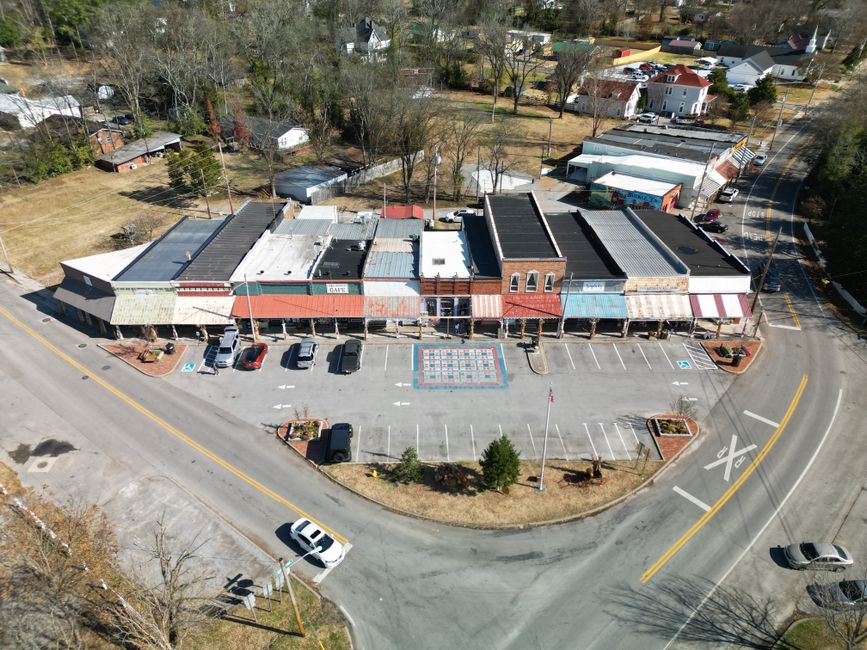
Liberty Hill, Texas, a burgeoning community with deep historical roots, is at a pivotal juncture in its development, with a keen and focused gaze fixed squarely on the revitalization and expansion of its downtown core. This central district, once the heart of a more agrarian and smaller-scale community, is now poised to become the dynamic, multifaceted hub that will define Liberty Hill for generations to come. The strategic vision for downtown Liberty Hill transcends mere aesthetic upgrades; it encompasses a comprehensive plan to foster economic growth, enhance community engagement, attract new residents and businesses, and preserve the town’s unique character while embracing forward-looking innovation. The success of this ambitious undertaking hinges on a multifaceted approach that addresses infrastructure, economic development incentives, public spaces, and the cultivation of a thriving local culture. Understanding the current landscape, identifying key opportunities, and implementing a well-defined roadmap are paramount to realizing Liberty Hill’s aspirational downtown future.
The economic engine of a revitalized downtown is central to Liberty Hill’s long-term prosperity. Current economic analyses highlight an opportunity to diversify the retail and service sectors, moving beyond traditional offerings to embrace a broader spectrum of businesses that cater to evolving consumer demands. This includes fostering independent boutiques, artisanal food vendors, and experiential retail concepts that create unique draw for both residents and visitors. Moreover, the downtown district presents a compelling opportunity for small business incubation and growth. Initiatives such as streamlined permitting processes, access to affordable commercial real estate, and targeted small business grants can empower local entrepreneurs to establish and expand their ventures. The presence of a robust entrepreneurial ecosystem not only creates jobs but also fosters a distinctive local flavor, setting Liberty Hill apart from generic suburban landscapes. Attracting professional services, such as law firms, accounting practices, and consulting agencies, further solidifies downtown as a central business district, generating daytime foot traffic and supporting a professional workforce. This diversification is crucial for resilience, ensuring that the local economy is not overly reliant on a single industry or type of business. The goal is to create a vibrant mix of essential services, niche retail, and attractive dining and entertainment options that collectively contribute to a strong and sustainable economic base.
Infrastructure development forms the bedrock of any successful urban revitalization project. For Liberty Hill’s downtown, this translates into a strategic investment in modernizing existing utilities, enhancing transportation networks, and improving public accessibility. Upgrades to water, wastewater, and broadband internet infrastructure are not merely operational necessities; they are foundational elements that enable economic growth and improve the quality of life for residents. Reliable and high-speed internet is no longer a luxury but a prerequisite for modern businesses and remote workforces, making its presence a significant draw for companies and individuals alike. Furthermore, a critical component of infrastructure improvement involves reimagining streetscapes and pedestrian pathways. Wide, well-lit sidewalks, enhanced crosswalks, and strategically placed public seating areas encourage walkability and foster a more inviting atmosphere. This not only benefits local businesses by increasing foot traffic but also promotes healthier lifestyles and a stronger sense of community. Parking solutions, often a point of contention in growing downtown areas, require careful planning. A mix of on-street parking, strategically located public parking lots, and potentially shared parking agreements can address the needs of both shoppers and employees. Integrating sustainable design principles into infrastructure upgrades, such as permeable paving for stormwater management and energy-efficient lighting, further aligns with Liberty Hill’s commitment to environmental responsibility and long-term sustainability. The aim is to create a downtown that is not only functional and aesthetically pleasing but also environmentally conscious and resilient.
The creation of vibrant public spaces is instrumental in transforming downtown Liberty Hill into a destination rather than just a thoroughfare. Parks, plazas, and community gathering areas serve as the social heart of a town, providing venues for recreation, events, and spontaneous interaction. The development of a central town square, for instance, could offer a flexible space for farmers’ markets, outdoor concerts, art festivals, and community celebrations, fostering a strong sense of shared identity and belonging. Incorporating elements such as interactive water features, public art installations, and ample green space can enhance the appeal and functionality of these areas. These spaces should be designed to be accessible to all residents, regardless of age or physical ability, promoting inclusivity. Beyond dedicated parks, the integration of green infrastructure throughout the downtown area, such as street trees, vertical gardens, and bioswales, contributes to a more pleasant and environmentally sound urban environment. These elements not only improve air quality and reduce the urban heat island effect but also enhance the visual appeal of the district. The strategic placement of benches, picnic tables, and other amenities encourages people to linger, interact, and engage with their surroundings. Ultimately, well-designed public spaces cultivate a stronger community fabric, making downtown Liberty Hill a place where people want to spend time and connect.
Preserving and celebrating Liberty Hill’s historical and cultural identity is a crucial counterpoint to modernization efforts. The downtown area often holds the keys to a town’s past, and integrating historical preservation with future development ensures that new growth is rooted in a sense of place. This can involve the adaptive reuse of historic buildings, transforming them into modern commercial spaces, residential lofts, or cultural venues while maintaining their architectural integrity. Educational signage and interpretive exhibits that tell the story of Liberty Hill’s past can enrich the visitor experience and foster a deeper appreciation for the town’s heritage. Supporting local artists and cultural organizations through dedicated spaces, performance venues, and public art programs further enhances the cultural vibrancy of downtown. This commitment to heritage not only attracts heritage tourism but also fosters a unique and authentic character that distinguishes Liberty Hill from other communities. Encouraging local traditions and festivals, and integrating them into the downtown calendar of events, reinforces this connection to the past. The goal is to weave the threads of history into the fabric of the future, creating a downtown that is both progressive and deeply rooted.
Community engagement and stakeholder collaboration are indispensable for the successful realization of Liberty Hill’s downtown vision. A transparent and inclusive planning process, one that actively solicits input from residents, business owners, property owners, and community organizations, is essential for building consensus and ensuring that the revitalized downtown reflects the desires and needs of the community. Regular public forums, workshops, and online feedback mechanisms can facilitate this dialogue. Establishing a downtown advisory board or a Main Street program can provide a structured framework for ongoing community involvement and implementation of the revitalization plan. Partnerships between the local government, private developers, and community groups can leverage resources, expertise, and creative solutions to achieve shared objectives. This collaborative spirit fosters a sense of ownership and collective responsibility for the downtown’s future. Understanding the diverse perspectives within the community and finding common ground are critical for navigating the complexities of urban development. Open communication and a willingness to adapt plans based on feedback are hallmarks of a successful community-driven initiative.
Sustainability and resilience are not just buzzwords but essential considerations for Liberty Hill’s downtown future. Integrating environmentally friendly practices into all aspects of development, from building design and material selection to waste management and energy consumption, is paramount. This includes promoting energy-efficient buildings, encouraging the use of renewable energy sources, and implementing comprehensive recycling and composting programs. Designing for resilience against the impacts of climate change, such as extreme weather events, is also a critical component. This might involve incorporating green infrastructure for flood mitigation, designing buildings to withstand high winds, and developing emergency preparedness plans for the downtown area. Water conservation measures, such as drought-tolerant landscaping and efficient irrigation systems, are vital in a Texas climate. By prioritizing sustainability and resilience, Liberty Hill can ensure that its downtown not only thrives in the present but also remains a vibrant and livable place for generations to come, minimizing its environmental footprint and adapting to future challenges.
The integration of technology and innovation can significantly enhance the functionality and appeal of downtown Liberty Hill. Smart city technologies, such as intelligent traffic management systems, real-time public transit information, and sensor-based environmental monitoring, can improve efficiency and the overall urban experience. Digital kiosks and interactive wayfinding systems can assist visitors in navigating the downtown area and accessing information about local businesses and attractions. Encouraging the adoption of technology by local businesses, through training and access to resources, can help them compete in the modern marketplace. The development of a strong digital presence for downtown Liberty Hill, including a comprehensive website and active social media engagement, can attract visitors and promote local businesses to a wider audience. This technological integration should be approached with a focus on user-friendliness and accessibility, ensuring that it benefits all members of the community. The goal is to leverage technology to create a more connected, efficient, and engaging downtown environment.
In conclusion, Liberty Hill’s vision for its downtown future is ambitious, comprehensive, and deeply rooted in a desire to create a vibrant, sustainable, and culturally rich community. By focusing on economic diversification, strategic infrastructure development, the creation of inviting public spaces, the preservation of its unique heritage, robust community engagement, and the integration of sustainability and innovation, Liberty Hill is charting a course towards a downtown that will serve as the heart of its community for decades to come, attracting investment, fostering a strong sense of belonging, and embodying the forward-looking spirit of this dynamic Texas town. The successful execution of this multifaceted plan will position Liberty Hill as a model for thoughtful and progressive urban revitalization.
