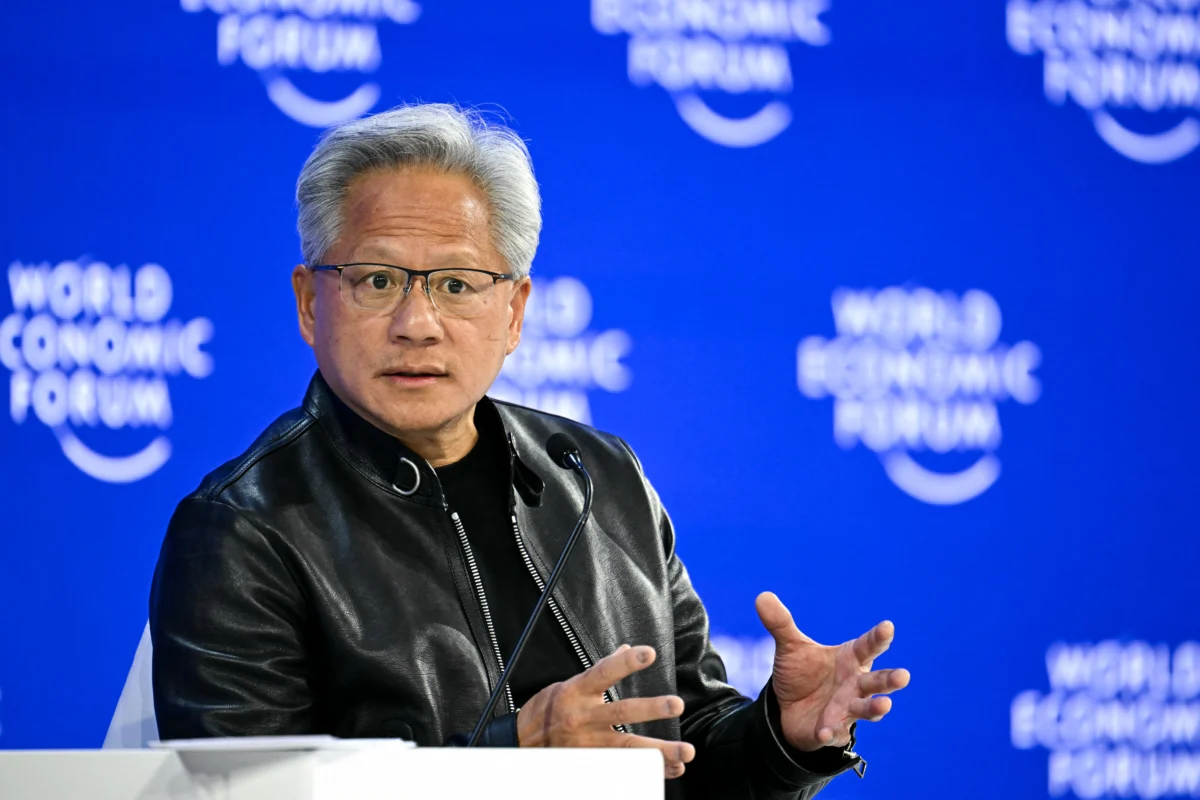
The intersection of high-stakes geopolitics and the booming artificial intelligence industry reached a surreal crescendo Monday morning at the All-In Summit in Los Angeles. During a live session featuring Nvidia CEO Jensen Huang, the semiconductor giant’s leader received an impromptu phone call from President Donald Trump. In a moment that bypassed the traditional safeguards of corporate public relations, Huang opted to bring the President onto the stage, effectively turning a tech industry fireside chat into a direct channel for White House policy signaling regarding the future of the AI arms race.
The summit, hosted by venture capitalists Chamath Palihapitiya, Jason Calacanis, and White House advisers David Friedberg and David Sacks, has long served as a nexus for Silicon Valley’s elite. The unexpected call occurred as the panel was dissecting the increasingly contentious debate surrounding AI development—specifically, the public advocacy by Anthropic CEO Dario Amodei and others for a measured, slower pace of model capability advancement.
A Public Display of Political Alignment
As Huang navigated the technical logistics of amplifying the President’s voice for the auditorium, Trump immediately steered the conversation toward the strategic necessity of American dominance in AI. Addressing the panel, Trump dismissed the growing movement to decelerate AI development as a "hoax" orchestrated by competing interests.
"The great thing about life is Jensen can develop the most complex computer chip in the world, but he can’t figure out how to put you on speaker," Trump quipped, highlighting the informal rapport between the two men. The levity was short-lived, however, as the President pivoted to a sharper geopolitical stance. "They’re just playing right in the hands of a lot of people that don’t want to see it happen," Trump said, explicitly citing political opponents and China as the primary beneficiaries of a domestic slowdown in AI innovation. "We’re not going to let that happen."
Huang’s response—"You’re right. We’re not going to let that happen, sir"—drew immediate applause from the summit’s attendees, signaling a clear alignment between the industry’s most critical infrastructure provider and the current administration’s aggressive growth agenda.
The Growing Divide: Accelerationism vs. Safety
The phone call underscores a widening schism within the technology sector. For much of 2025 and 2026, industry titans have been split into two distinct camps. On one side are the "safety-first" proponents, including figures like OpenAI’s Sam Altman and SpaceX’s Elon Musk, who have historically voiced concerns regarding the potential for runaway AI risks. Anthropic’s Dario Amodei has been a vocal leader in this camp, formally advocating for a pace of development that allows for safety testing and societal adaptation.
Conversely, the "accelerationist" faction, which currently appears to have the backing of the White House, views any restriction on development as a surrender of technological sovereignty. Trump’s characterization of the safety movement as a "hoax" mirrors the rhetoric of figures like Y Combinator CEO Garry Tan, who has characterized opposition to data center construction as an international "psyop" designed to weaken American competitiveness.
Data Centers and Public Backlash
While the White House and industry leaders frame the resistance to AI infrastructure as a foreign or political conspiracy, the reality on the ground in many American communities is driven by tangible infrastructure pressures. The surge in AI demand has necessitated the rapid construction of massive, power-hungry data centers, often in regions unprepared for the load on local electrical grids and water supplies.
Recent data from Gallup provides a more granular view of this opposition. A 2026 poll indicated that approximately 70% of Americans oppose the construction of large-scale data centers in their immediate vicinity. The concerns are multifaceted:
- Environmental Impact: More than 50% of respondents cited the depletion of natural resources, particularly the massive amounts of water required for cooling high-performance computing clusters and the strain on local power grids.
- Quality of Life: Roughly 20% of respondents expressed concern regarding the inflationary pressure on local costs of living and the potential for a decline in community quality of life due to increased industrial traffic and noise.
Despite this localized opposition, the Trump administration has signaled that it views data center expansion as a matter of national security. "We have to do things and we have to do them prudently, but that doesn’t mean we’re going to stop an industry," Trump told the audience. "I’m with you all the way."
Implications for the Semiconductor Industry
Nvidia occupies a unique position in this geopolitical theater. As the primary manufacturer of the H100 and Blackwell-series chips that power the world’s most advanced AI models, the company is effectively the "arms dealer" of the artificial intelligence revolution.
For Jensen Huang, the alignment with the White House suggests a potential shield against future regulatory headwinds. However, the reliance on such high-level political support brings its own set of risks. If the administration’s aggressive stance leads to a full-blown AI cold war with China, Nvidia may find itself further restricted in its ability to export high-end chips to one of its largest potential markets.
Moreover, the public nature of the call creates a complex dynamic for investors. While the prospect of unhindered domestic growth is a boon for Nvidia’s valuation, the polarization of the AI debate suggests that the industry will face sustained pressure from both local regulatory bodies and international geopolitical rivals.
A Timeline of Escalation
- Q1 2026: Anthropic CEO Dario Amodei releases a white paper urging the industry to "pace the frontier," citing safety risks as the primary constraint.
- Q2 2026: The Trump administration appoints key tech figures to the President’s Council of Advisors on Science and Technology, cementing an "America-first" AI development policy.
- Q3 2026: Widespread protests erupt in various U.S. municipalities over new data center zoning, with local governments beginning to implement clean-power mandates and resource-use taxes.
- October 2026 (The Summit): The phone call between Trump and Huang occurs, marking the most explicit public merging of presidential policy and private corporate strategy in the current AI cycle.
Analysis: The Path Forward
The exchange at the All-In Summit represents a shift from private lobbying to public signaling. By putting the President on speaker, Huang did more than facilitate a conversation; he validated the administration’s narrative that AI progress is non-negotiable.
However, the disconnect between the White House’s "accelerationist" stance and the public’s "environmental/local" concerns creates a volatile environment for the industry. While the federal government has the power to expedite permitting and incentivize infrastructure, it cannot easily bypass the local opposition that is currently stalling data center projects across the country.
As the industry moves into the next phase of development, the question remains whether the sheer demand for AI capabilities will override the localized demands for environmental and economic stewardship. For now, the message from the White House is clear: the race for AI dominance is a national priority, and the "safety" debate is viewed as a distraction to be discarded. Whether this strategy will successfully navigate the complexities of local governance and international trade remains the defining question for the tech sector in the coming year.