The recent release of the cinematic documentary You Can See Everything, directed by Lance Oppenheim and lensed by director of photography David Bolen, has drawn substantial critical attention not only for its bold narrative choices, but also for its haunting visual portrayal of disgraced Silicon Valley figure Elizabeth Holmes and her partner, Billy Evans. Moving away from the sterile, brightly lit aesthetics typically associated with modern real estate platforms and polished Zillow showcases, the filmmakers chose to shoot on actual film stock using minimal artificial light. This deliberate stylistic choice captures every textural flaw, dust mote, and structural quirk of the residences where Holmes and Evans sought refuge from public scrutiny.
The documentary highlights a peculiar real estate phenomenon: the eccentric luxury rental. These properties are often architectural curiosities built by affluent owners who ultimately choose not to inhabit them, leaving them open to high-profile tenants seeking isolation, privacy, and protection from aggressive paparazzi. Through meticulous investigative reporting, architectural records, and property archives, the distinct footprint of these unconventional homes has come to light, revealing how physical spaces mirrored the psychological weight of Holmes’s final chapters of freedom before her federal prison sentence.
Chronology and Background of the Flight from Scrutiny
The narrative arc of Holmes’s post-Theranos existence is intimately tied to a transient lifestyle dictated by legal fallout and intense media pressure. Following the collapse of her blood-testing startup, Theranos, and her subsequent federal trial and conviction, Holmes and Evans navigated a nomadic path designed to elude public exposure. According to statements within the documentary, the couple frequently relocated to stay ahead of persistent photographers and reporters.
While public records thoroughly documented Holmes’s high-profile legal proceedings, her domestic life remained heavily insulated. Evans, whose family has deep ties to the San Diego hospitality industry through the operation of Evans Hotels, strategically avoided linking his name to local deeds, voting registries, or corporate entities associated with their temporary residences. Despite these evasive maneuvers, architectural historians and real estate sleuths have successfully identified the two primary properties that anchor the documentary’s visual narrative outside of the pastoral sequences filmed elsewhere.
The Del Mar Beachfront Outpost
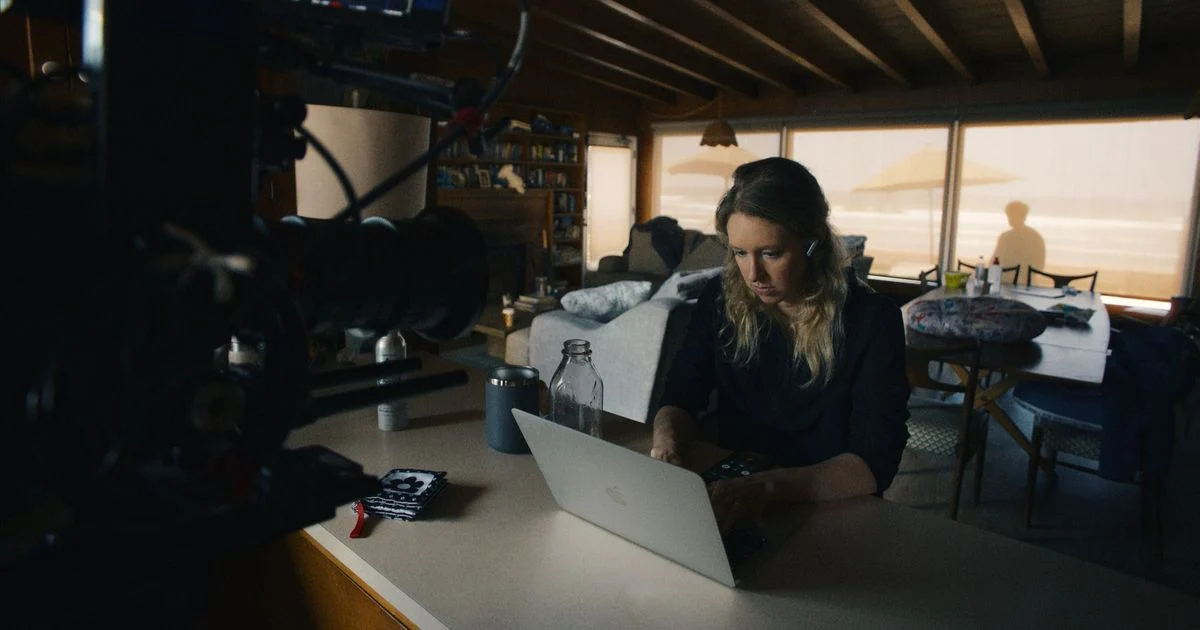
The primary Californian setting of the documentary transports viewers to a starkly unglamorous mid-century modern home located at 2986 Sandy Lane in Del Mar, California. Far removed from the sleek, glass-and-steel architecture typically associated with tech titans and corporate founders, this low-ceilinged residence features walls wrapped in honey-colored wood and an interior defined by aging materials.
Property records indicate that the coastal property has remained within the same family sphere since 1994, when it was transferred via the trust of Frances Hays to Thomas C. Hays and Melinda Hays Bedell. By 2022, ownership had transitioned to three members of the Bedell family. Local municipal records from 2018 revealed that the Evans and Hays families shared aligned interests, jointly opposing a Del Mar municipal ballot measure intended to restrict remodeling parameters for beachfront properties—a measure that ultimately passed despite local resistance.
Market data for the Del Mar residence highlights its unusual positioning within the high-end coastal market. The last publicly advertised rental listing dates back to 2015, when it commanded a modest monthly rate of $5,650. Subsequent estimates by digital real estate platforms place the total property value near $9 million, though independent investigative reports suggest the arrangement between Evans and the owners may have involved an off-market transaction or informal lease agreement facilitated by local familial connections.
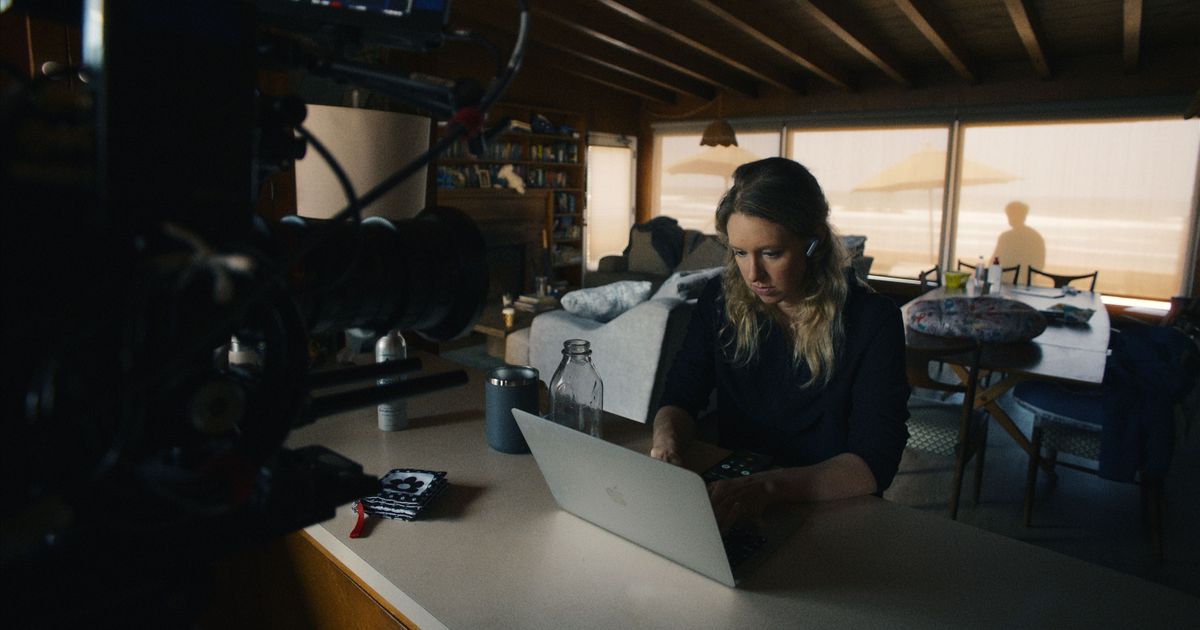
Aesthetically, the home defies expectations of luxury. The interior features white Formica countertops, a standard black microwave, a distinctly dated mauve standing shower, and sun-faded vintage wall art depicting Tahiti. However, the property offered crucial tactical advantages for a couple hounded by media figures: a gated street entrance and direct, private access to a secluded beach. These features provided the functional isolation required by a household under siege, even if the physical structure itself stood in stark contrast to the billionaire lifestyle Holmes once projected.
The Austin Sanctuary and Modern Domesticity
Following the California chapter and Holmes’s incarceration at the Federal Prison Camp in Bryan, Texas, the documentary tracks Billy Evans’s relocation to Austin, Texas, where he established a temporary home base to raise the couple’s children approximately two hours away from the correctional facility.
The Austin property, situated at 606 Josephine Street in the vibrant South Congress neighborhood, presents a modern architectural profile hidden behind mature landscaping and a low stone perimeter fence. Recent real estate listings place the four-bedroom structure on the market with an asking price of $2.25 million, following a history of failed sales attempts that eventually led the owners to offer it as a rental property. In 2024, public marketing channels advertised the home at a monthly lease rate of $8,750, promoting it as an unparalleled blend of comfort and convenience defined by meticulous design details.
Within this space, the documentary captures a surreal domestic routine. Evans utilized one of the bedrooms as a professional home office, while the main living areas—featuring the same barren white walls and minimalist furniture captured in listing photographs—served as the backdrop for interactions with actors portraying or engaging with the family dynamic. Most notably, the dining area featured a vertical digital screen displaying an artificial intelligence deepfake representation of Holmes, positioned to maintain a visual presence at the family table.
Broader Impact and Real Estate Implications
The public fascination with the residences featured in You Can See Everything extends beyond mere celebrity curiosity; it offers a compelling commentary on the intersection of architecture, trauma, and modern infamy. The properties chosen by Holmes and Evans underscore a broader trend among high-profile individuals facing severe public backlash: the weaponization of architectural obscurity.
Rather than seeking out hyper-modern glass penthouses or sprawling suburban mega-mansions that invite visibility, individuals under intense public scrutiny frequently gravitate toward idiosyncratic, understated, or structurally fortified spaces. These homes function as psychological bunkers where historical domestic markers—outdated kitchens, weathered wood panels, and heavily guarded perimeters—provide a tangible shield against the outside world.
From an analytical perspective, the documentation of these spaces on actual film stock without artificial enhancement strips away the artifice traditionally manufactured by real estate marketing. Zillow listings and virtual staging often project an idealized vision of suburban or coastal perfection, designed to entice buyers with clean lines and aspirational aesthetics. In contrast, Oppenheim’s cinematic approach exposes the lived reality of these environments: spaces that are frequently transitional, emotionally heavy, and defined just as much by what they lack as by their market valuations.
As the cultural discourse surrounding the documentary continues to evolve, the physical addresses associated with the narrative have transformed into unintended landmarks of a unique era in corporate and pop-cultural history. Whether through the sand-worn floorboards of the Del Mar beachfront house or the gated stone perimeter of the Austin modern, these rentals stand as permanent testaments to the lengths to which disgraced figures will go to construct an illusion of normalcy within the margins of extreme isolation.