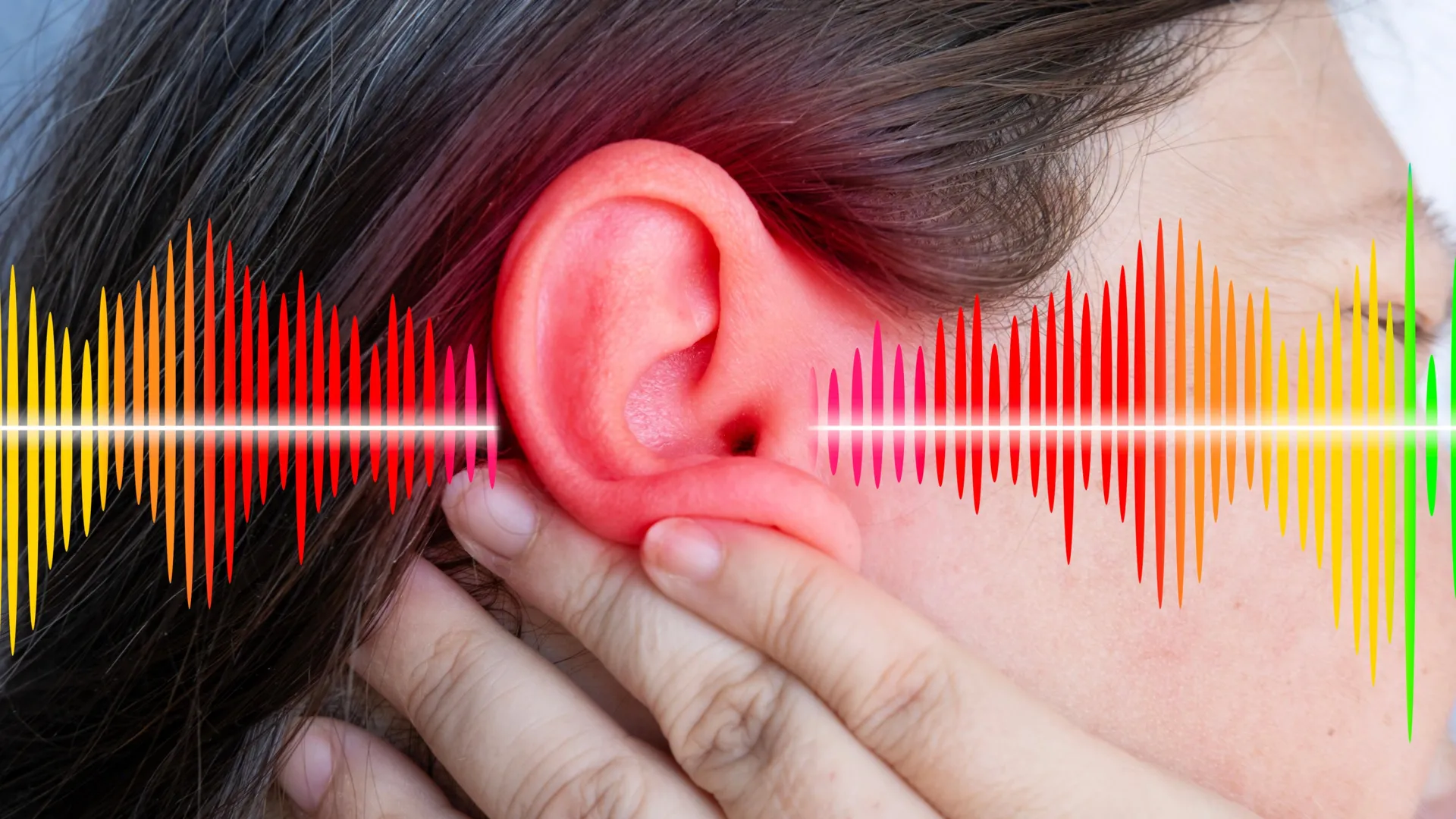
A novel, non-invasive medical device capable of delivering gentle electrical pulses through the ear has emerged as a potential breakthrough in the management of resistant hypertension. In a clinical trial spearheaded by researchers at Queen Mary University of London, the technology—known as transcutaneous autonomic neuromodulation (tAN)—demonstrated a high safety profile, excellent patient compliance, and significant ease of use for home-based therapy. While the device did not achieve statistically significant blood pressure reduction across the entire cohort of study participants, the results revealed a distinct and encouraging efficacy for individuals suffering from severe, difficult-to-control hypertension.
The Mechanism of Transcutaneous Autonomic Neuromodulation
The human autonomic nervous system acts as the body’s internal control center, managing involuntary physiological functions such as heart rate, digestion, and respiratory rhythm. In patients with chronic hypertension, this system often operates in a state of dysfunction, contributing to the persistent narrowing of blood vessels and increased systemic pressure. The experimental device, engineered by Afferent Medical Solutions, seeks to recalibrate this system by targeting the vagus nerve.
The device utilizes a pair of specialized clips designed to be attached to the tragus—the small, firm flap of cartilage located immediately anterior to the ear canal. Once positioned, the device delivers precise, low-level electrical signals directly to the auricular branch of the vagus nerve. By stimulating these neural pathways, researchers aim to influence the body’s baroreceptor reflex—the biological mechanism responsible for maintaining stable blood pressure—without the need for surgical implantation or systemic pharmaceutical intervention. Because the procedure is transcutaneous (conducted through the skin), it avoids the risks associated with invasive neuromodulation therapies, such as those requiring surgical leads placed directly on the carotid artery or the spinal cord.
The SCRATCH-HTN Trial: Methodology and Scope
The findings published in the American Heart Association journal Hypertension originate from the SCRATCH-HTN clinical trial. Funded by the National Institute for Health and Care Research (NIHR), the study was designed to evaluate whether this portable, handheld technology could effectively serve as an adjunct to existing medication regimens.
The trial enrolled 63 participants, all of whom presented with uncontrolled hypertension despite adhering to at least one standard antihypertensive medication. To ensure scientific rigor, the investigators employed a randomized, double-blind, sham-controlled design. Participants were assigned to one of two groups: one receiving active electrical stimulation and the other utilizing a "sham" device that looked and felt identical but delivered no therapeutic electrical current.
The clinical protocol was structured to evaluate both short-term response and longer-term sustainability. For the initial two-week "intensive" phase, participants were instructed to use the device for 30 minutes daily. Following this period, the regimen transitioned to a maintenance phase, where users administered the stimulation once per week for the subsequent ten weeks. This 12-week schedule provided researchers with sufficient data to assess patient adherence, device comfort, and physiological changes in blood pressure readings.
Analyzing the Data: Success and Limitations
The study yielded a complex set of data. When evaluating the entire population of 63 participants, the researchers observed that those using the active device did not show a statistically significant reduction in blood pressure compared to those in the sham group. In clinical research, such an outcome often prompts immediate skepticism; however, the secondary analysis of the data provided a more nuanced picture.
In a prespecified subgroup analysis—a statistical method used to look for patterns within predetermined categories of patients—the researchers identified that individuals who entered the trial with more severe baseline hypertension experienced a notable and clinically relevant reduction in blood pressure. This discovery suggests that the device may be most effective for a specific "high-risk" subset of patients—those whose blood pressure remains stubbornly high even when they are already taking the maximum tolerable doses of conventional medications.
Dr. Ajay Gupta, the Chief Investigator of the study, a Clinical Reader at Queen Mary University of London, and a Consultant Physician at Barts Health NHS Trust, provided context regarding these results. "This is an exciting, highly patient-acceptable technology that could ultimately provide a cheap, scalable solution for millions," Dr. Gupta stated. "Although the trial did not achieve significance across the broad unselected group, those with more severe hypertension exhibited a clear blood pressure reduction in the active group compared to sham."
The Clinical Context of Resistant Hypertension
Hypertension remains a leading global health crisis, acting as a primary precursor to cardiovascular disease, myocardial infarction (heart attack), and cerebrovascular accidents (stroke). According to the World Health Organization and the American Heart Association, a significant portion of the hypertensive population is categorized as having "resistant" or "uncontrolled" hypertension. These are individuals who, despite following prescribed pharmacological treatments, continue to maintain blood pressure levels above established health targets.
The persistence of high blood pressure creates a cycle of mechanical stress on the arterial walls, which in turn causes the vasculature to stiffen, further elevating blood pressure. Current strategies for managing this resistance include adding additional medications, which can lead to increased side effects, such as dizziness, electrolyte imbalances, or renal strain. The potential for a non-invasive, drug-free, and home-based intervention like tAN represents a paradigm shift in how clinicians might manage patients who have reached the limits of traditional pharmacological therapy.
Implications for Future Research and Development
The results of the SCRATCH-HTN trial serve as a foundational "proof of concept" rather than a definitive clinical endorsement. The research team acknowledges that while the device is safe and well-tolerated, the sample size of 63 patients is too small to draw sweeping conclusions or to support immediate clinical implementation.
Future research is expected to focus on several key areas:
- Targeted Demographics: Determining the specific biological markers or baseline severity levels that best predict a patient’s response to ear nerve stimulation.
- Optimizing Dosing: Investigating whether different frequencies or durations of stimulation could yield more consistent results across broader populations.
- Long-Term Efficacy: Expanding the study duration beyond 12 weeks to determine if the blood pressure reduction can be sustained over months or years, and whether the device can reduce the risk of long-term cardiovascular events.
- Integration with Medication: Assessing whether the use of the device allows for the reduction of pharmaceutical doses, thereby improving the quality of life for patients burdened by polypharmacy (the use of multiple medications).
The Path Forward: A Scalable Solution?
The economic and logistical implications of this technology are significant. Unlike carotid baroreflex activation therapy, which requires surgery and carries a high cost per patient, a handheld auricular stimulation device could theoretically be manufactured and distributed at a fraction of the price. If larger, multicenter trials confirm that the device is effective for those with severe hypertension, it could offer a scalable solution for healthcare systems—such as the UK’s NHS or private insurers in the United States—that are currently struggling to manage the rising costs of chronic disease care.
The SCRATCH-HTN trial represents the first major, rigorous investigation of this technology in this specific context. As the scientific community looks to build upon these results, the focus will remain on refining the technology and identifying the specific patient phenotypes that stand to gain the most from neuromodulation. For millions of patients currently living with the daily anxiety of uncontrolled blood pressure, this small, ear-mounted device offers a glimmer of hope that a simpler, non-invasive future for cardiovascular health may be on the horizon. The journey from clinical trial to clinical practice is long, but the preliminary data provides a compelling rationale for further investment and study in the field of transcutaneous neuromodulation.