As the United States approaches its semiquincentennial in 2026, the real estate brokerage giant Redfin has officially launched a new editorial and digital initiative titled "Iconic Homes of America." This multi-year franchise seeks to reframe the American historical narrative by focusing on the physical spaces where the nation’s past was forged. By treating historic landmarks with the same digital accessibility as modern real estate listings, the project provides an immersive, data-driven look at the architecture, personal stories, and socioeconomic conditions that defined different eras of American life. The series, which will run through the end of 2027, invites the public to engage with history through virtual tours, high-definition photography, and curated historical narratives.
A New Perspective on Historical Preservation
The initiative arrives at a time when digital engagement with heritage sites is at an all-time high. According to data from the National Park Service and various historical preservation societies, interest in "living history" experiences has increased by roughly 15% annually since 2020. By leveraging its proprietary real estate technology—including 3D walkthroughs and detailed property mapping—Redfin is attempting to bridge the gap between traditional tourism and modern digital consumption.
The project is not merely an aesthetic endeavor but a strategic attempt to contextualize real estate within the broader scope of American history. Each featured property serves as a vessel for stories that often go untold in standard textbooks. From the entrepreneurial grit of colonial-era tradespeople to the architectural vanity of the Gilded Age, the series aims to humanize the "bricks and mortar" of the American experience.
The Betsy Ross House: A Case Study in Resilience
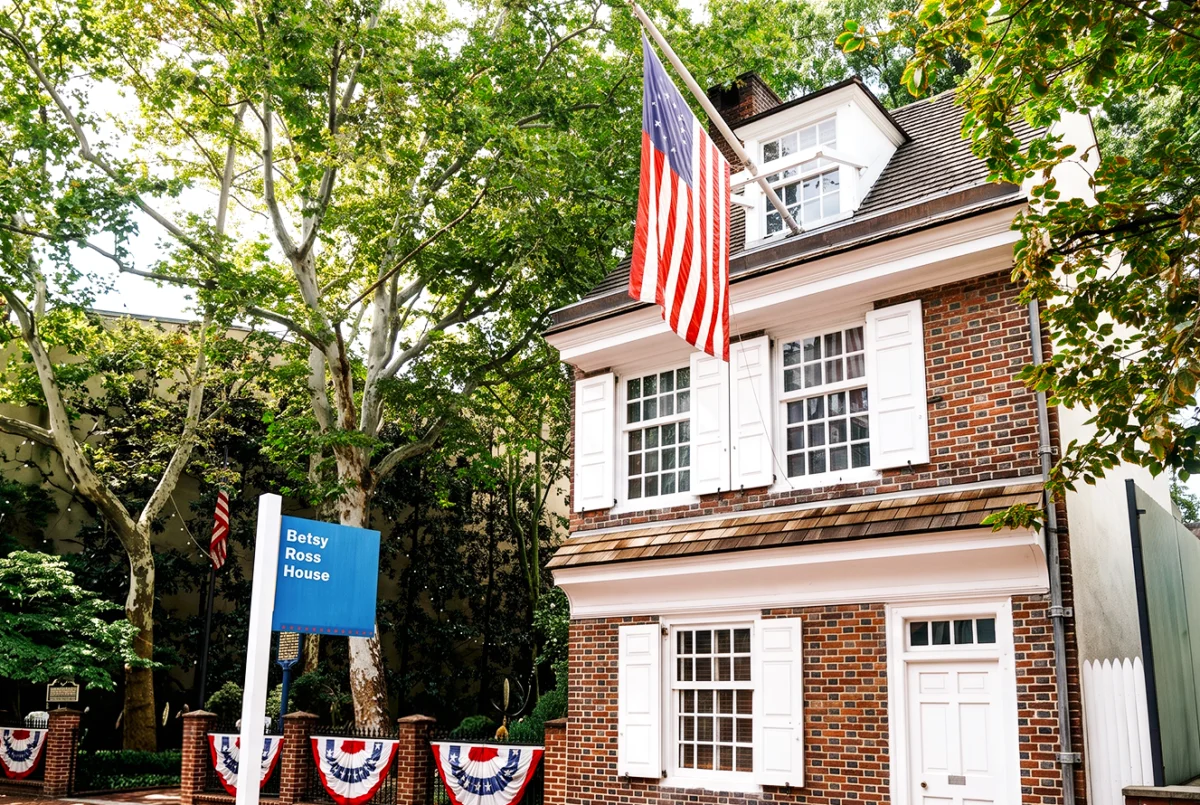
The inaugural property in the series is the Betsy Ross House in Philadelphia. Built circa 1740, the structure serves as a focal point for understanding the lived reality of working-class women in the mid-18th century. While the popular narrative often focuses exclusively on the myth of the first flag, the Redfin feature emphasizes the reality of the household as a business enterprise.
Historical records indicate that Ross was an accomplished upholsterer and flag maker who navigated the complexities of 18th-century commerce. The property highlights the logistical challenges of running a business within two small, rented rooms in an urban colonial environment. Furthermore, the house’s survival into the 21st century is a testament to early grassroots preservation. In the late 1800s, when the building faced the threat of demolition, a nationwide fundraising campaign—fueled by ten-cent contributions from everyday citizens—ensured the structure’s protection. This moment represents one of the earliest examples of a collective, national effort to preserve private property for the public good, a theme that remains highly relevant in current discussions regarding urban development and heritage zoning.
Bishop’s Palace: The Architecture of Ambition
In stark contrast to the modest colonial rooms of the Betsy Ross House, the series’ second feature, the Bishop’s Palace in Galveston, Texas, showcases the opulence of the late 19th century. Constructed between 1887 and 1892, this 19,086-square-foot mansion stands as a monument to the Gilded Age. Designed by Nicholas J. Clayton, Texas’s most prominent architect at the time, the residence was built for lawyer and congressman Walter Gresham.
The mansion’s 52 rooms are a masterclass in eclectic design, incorporating materials sourced from as far as Venice, Holland, and North Africa. The inclusion of this property in the Redfin series allows for a detailed analysis of post-Civil War economic expansion. The palace, which later served as a residence for the Catholic Bishop of Galveston in 1923, reflects the shifting power structures of the era, where legal, political, and religious institutions often occupied the same architectural spheres of influence. From a technical standpoint, the home provides invaluable data on late-Victorian building practices, the use of imported raw materials, and the influence of international design trends on American domestic architecture.

Official Perspectives and Strategic Objectives
The launch of this series is supported by a broader marketing strategy aimed at connecting current homeowners with the concept of historical legacy. Jonathan Mildenhall, Chief Marketing Officer of Rocket, underscored the initiative’s purpose during the project’s unveiling. "America’s story isn’t just written in history books. It’s written in the homes where people have dreamed, created, persevered, and changed the course of our nation," Mildenhall stated.
This sentiment reflects a growing trend in the real estate sector: the commodification of "provenance." As housing markets become increasingly globalized and detached from local histories, companies like Redfin are attempting to re-establish a sense of place. By framing every home as a potential part of the "American story," the brokerage is subtly encouraging property owners to view their homes not just as financial assets, but as temporal links in a long-standing historical chain.
Broader Implications for Historic Preservation
The "Iconic Homes of America" series carries significant implications for the future of historic preservation. By bringing these properties into the digital sphere, Redfin is effectively crowdsourcing interest in landmark protection. The inclusion of a nomination form on their portal allows the public to suggest properties that may lack federal landmark status but hold significant regional or cultural value.
This decentralized approach to heritage management could influence local real estate trends. When historically significant homes are highlighted on major listing platforms, they often see a surge in public interest, which can lead to increased funding for local historical societies and, in some cases, enhanced protection through municipal ordinances. However, critics of such initiatives sometimes point to the risk of "gentrification of history," where the focus on high-profile architectural landmarks may overshadow the preservation of sites associated with marginalized communities or less "aesthetic" historical events.
Redfin has indicated that the series will continue through 2027, suggesting a long-term commitment to this editorial direction. The success of the project will likely be measured not just in web traffic, but in the level of public engagement and the potential discovery of overlooked historical sites nominated by the public.
Chronology of the Initiative
- October 2026: Official launch of "Iconic Homes of America." Debut of the Betsy Ross House (Philadelphia, PA) and Bishop’s Palace (Galveston, TX).
- Late 2026 – 2027: Ongoing rollout of additional properties. Each home is slated to host a free in-person event, supported by virtual digital experiences.
- Ongoing: Continuous acceptance of public nominations via the digital portal.
- December 31, 2027: Projected conclusion of the current initiative, coinciding with the broader national celebrations of the 250th anniversary.
Analysis of the Cultural Landscape
The intersection of real estate and history is a potent one. In an era of increasing digital isolation, the desire to connect with physical spaces—and the stories embedded within them—remains a core component of national identity. The Redfin initiative utilizes the "listing" format to democratize information that was previously restricted to architecture students or local historians.
By providing high-resolution imagery and granular details—such as the specific origins of mahogany used in a staircase or the economic context of a rented room in 1776—the series forces a shift in how the average consumer views their own living space. It suggests that the history of a nation is not confined to museums or monuments; it is located in the kitchens, hallways, and foundations of the buildings where citizens live and work.
As the project progresses, the inclusion of more diverse property types will be critical to its success. If the series succeeds in highlighting the stories of ordinary people in addition to those of political figures and the wealthy elite, it could serve as a valuable educational tool for a new generation of Americans. The initiative stands as a unique synthesis of modern digital utility and the timeless human need to preserve the past, ensuring that as the nation moves toward its next 250 years, the structures of the past remain a foundational part of the present.