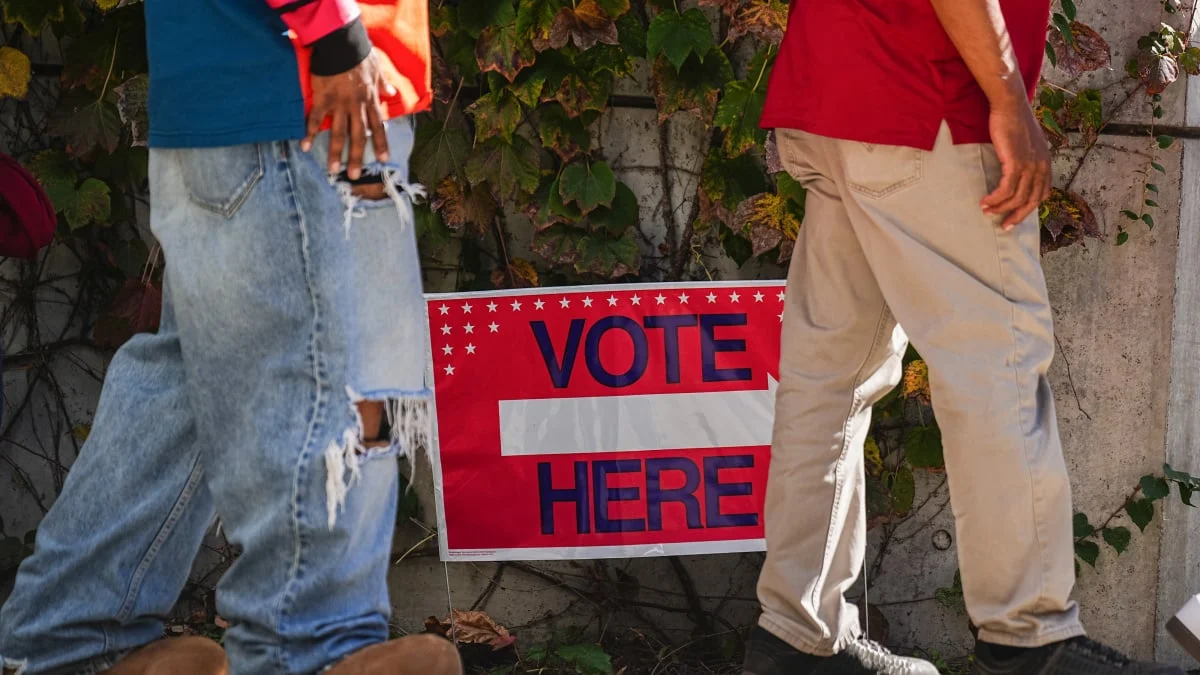
As the United States approaches the climax of the midterm election cycle, the sheer volume of political communication has reached an unprecedented scale. Long before the final ballots are cast and tallied, American voters will have been inundated with an estimated 60 billion political text messages. On a per capita basis, a single voter is projected to read an average of 170 text messages over the course of the campaign season. Simultaneously, political candidates, political action committees (PACs), and advocacy groups have shattered financial records, pouring more than $11 billion into advertising, field operations, and digital outreach.
While this monumental influx of messaging is a standard feature of modern American democracy, it has inadvertently generated a hazardous byproduct. The relentless barrage of legitimate political calls, text campaigns, and targeted advertisements has created an ideal camouflage for malicious cybercriminals and financial fraudsters. According to Ron Kerbs, CEO of the artificial intelligence fraud prevention firm Kidas, fraudulent actors are leveraging the chaotic information environment to deceive unsuspecting citizens.
"A fraudulent call doesn’t necessarily stand out when you’re receiving legitimate political outreach at the same time," Kerbs warned, highlighting the core vulnerability facing the American electorate.
Security experts, federal agencies, and consumer protection watchdogs are urging voters to adopt a defensive posture. Recommendations include letting unknown numbers roll to voicemail, independently verifying communications from individuals claiming to be candidates or campaign affiliates, and pausing to evaluate situations before transferring funds or disclosing sensitive personal information.
The Mechanics of Election Fraud: Why Traditional Defenses Fall Short
The intersection of politics and fraud is not a new phenomenon, but the sophistication of modern scams has evolved dramatically. A primary obstacle for consumers trying to shield themselves from deceit is the legal framework governing political communications.
Most political calls and messages are legally exempt from the official Do Not Call registry, the national opt-out database maintained by the federal government to protect citizens from aggressive telemarketing. While political campaigns must still adhere to federal restrictions enforced by the Federal Communications Commission (FCC) regarding automated and prerecorded calls—such as requiring prior consent—the broad exemptions create widespread confusion. Voters frequently struggle to distinguish between a legitimate campaign volunteer, a professional pollster, and a fraudulent actor.
Furthermore, the motivations behind election-related scams vary widely. According to guidelines compiled by the National Association of Secretaries of State (NASS) and fraud prevention specialists, bad actors typically utilize three primary vectors during election seasons: soliciting fraudulent campaign contributions for nonexistent candidates, selling unfulfilled campaign merchandise to harvest credit card data, and stealing personally identifiable information (PII) under the guise of voter registration updates or ballot curing.
The Federal Bureau of Investigation (FBI) issued a public service announcement underscoring these risks, specifically warning that scammers routinely exploit the names, official images, organizational logos, and popular slogans of recognized candidates to execute their schemes.
Text Messages vs. Voice Calls: The Escalation of AI-Generated Deception
While fraudulent text messages remain a persistent vector for phishing and malware distribution, security professionals argue that election phone calls pose a profoundly greater psychological challenge to voters.
Phishing texts often rely on urgency, directing users to click malicious links that mimic official campaign portals. However, the advent of generative artificial intelligence has fundamentally transformed audio deception.
"When someone hears a familiar voice, particularly a candidate or public official they recognize, they may be more inclined to trust what they’re hearing," Kerbs explained. "With AI, scammers can now recreate those voices convincingly, making it much harder for the average person to recognize when a call is fake."
The technology required to execute these deceptions has become strikingly accessible. Scammers can easily scrape publicly available audio, campaign speeches, and television appearances from the internet to train machine learning models. By combining these cloned, hyper-realistic voice models with caller ID spoofing—a technique that alters the displayed phone number to deceive the recipient—fraudsters can manufacture incoming calls that appear to originate directly from a legitimate political headquarters or candidate’s office.
This threat moved from theoretical speculation to reality during the 2024 election cycle, serving as a watershed moment for regulatory agencies. Ahead of the New Hampshire primary election, voters received AI-generated robocalls featuring a voice closely mimicking that of then-President Joe Biden. The audio recording urged recipients to stay home rather than participate in the primary.
The incident triggered immediate condemnation from election officials and lawmakers, prompting an aggressive federal crackdown on deceptive robocalls. The FCC subsequently expanded the interpretation of the Telephone Consumer Protection Act (TCPA), explicitly classifying unsolicited AI-generated voice robocalls as illegal and equipping state attorneys general with enhanced enforcement mechanisms to penalize offenders.
Recognizing the Red Flags of Election Fraud
Despite heightened regulatory scrutiny, bad actors continue to adapt their tactics. Security analysts emphasize that a deceptive communication may bear no immediate, glaring indicators of fraud.
"One of the most important things to understand is that a scam call may not have an obvious red flag at first," Kerbs noted. "A call can sound completely legitimate and still be fraudulent, so voters shouldn’t rely solely on whether something sounds suspicious."
Nevertheless, certain behavioral and tactical indicators consistently reveal the presence of malicious intent rather than genuine civic engagement:
- Manufactured Urgency: Urgency is frequently deployed to bypass critical thinking. If an inbound caller claims that a voter’s registration is about to expire, or that a ballot requires immediate verification under threat of disqualification, experts advise terminating the communication immediately.
- Requests for Sensitive Data: Legitimate election officials and campaign organizations will never request sensitive credentials over the phone. This includes Social Security numbers, banking details, driver’s license numbers, or account verification codes.
- Unconventional Payment Methods: Fraudsters frequently demand financial contributions or fee payments through untraceable mediums, such as prepaid gift cards, cryptocurrency transfers, wire services, or cash-app applications.
- False Registration Promises: Callers claiming they can update voter registration records over the phone in exchange for personal data or a processing fee are invariably operating a scam. Voter registration is inherently free, and updates should be conducted exclusively through verified state and local election office portals.
Actionable Strategies for Voter Protection
As the sophistication of digital fraud accelerates, cybersecurity experts emphasize that traditional defense mechanisms are no longer sufficient. Identifying a suspicious phone number through caller ID is no longer an adequate safety measure; voters must rigorously evaluate the context and content of the interaction itself.
Consumer protection agencies recommend a systematic approach to maintaining personal security during high-stakes election cycles:
- Verify Independently: If a communication claims to be from a specific political campaign, advocacy group, or election office, hang up and reach out to the organization directly using publicly verified contact information obtained from official websites.
- Guard Personal Information: Treat seemingly innocuous details—such as birth dates, residential addresses, and driver’s license numbers—with extreme caution. Scammers often aggregate minor data points collected across multiple interactions to construct comprehensive digital profiles used for identity theft.
- Utilize Official Resources: For any inquiries regarding voter status, polling locations, or mail-in ballot tracking, citizens should bypass third-party outreach entirely and navigate directly to state-specific election portals, such as those provided by the National Association of Secretaries of State.
- Allow Screening Tools to Function: Enable native call-screening features on mobile devices and permit unknown calls to route directly to voicemail. Legitimate campaigns utilizing live callers or compliant systems will generally leave clear messages detailing callback instructions.
Broader Implications for Democratic Integrity
The convergence of record-shattering campaign expenditures, ubiquitous digital messaging, and advanced artificial intelligence poses complex challenges for the integrity of democratic processes. Beyond the immediate threat of financial theft and identity compromise, sophisticated election scams carry a secondary, systemic risk: the erosion of public trust.
When voters are subjected to a relentless wave of deceptive communications, deepfaked audio, and phishing attempts, cynicism takes root. This pervasive distrust can inadvertently depress voter turnout, alienating citizens who find it increasingly difficult to separate authentic civic engagement from malicious manipulation.
As regulatory bodies, technology platforms, and law enforcement agencies continue to refine their detection capabilities, the ultimate line of defense remains the informed and vigilant voter. By maintaining healthy skepticism and adhering to rigorous verification protocols, Americans can navigate the tumultuous landscape of modern election cycles while safeguarding their personal security and the integrity of their vote.