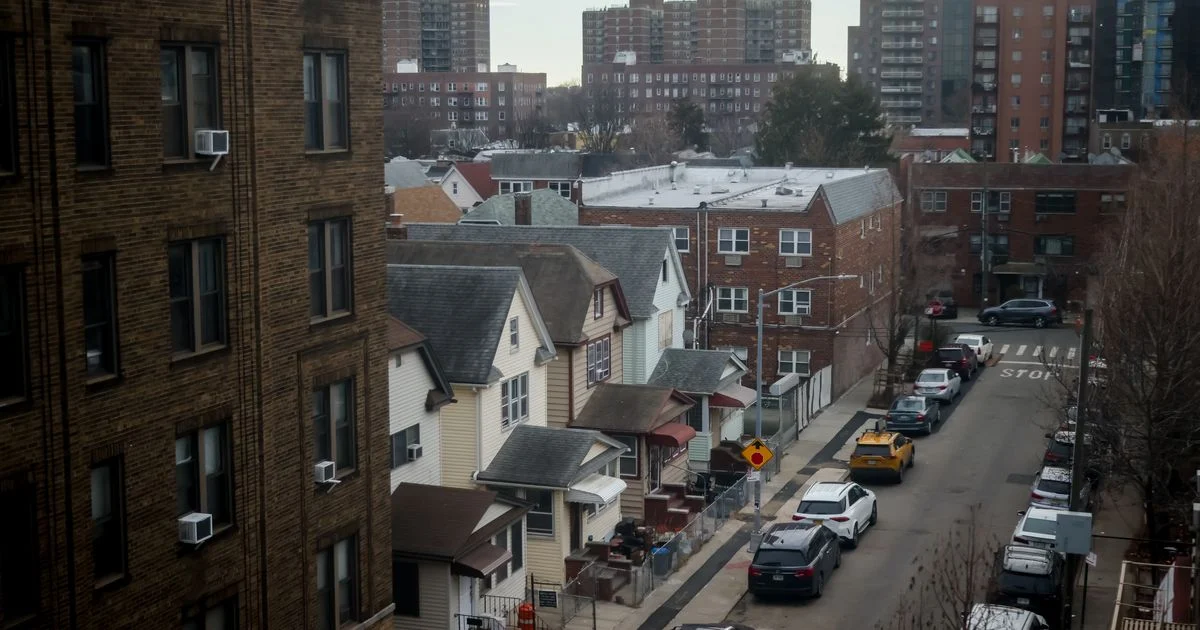
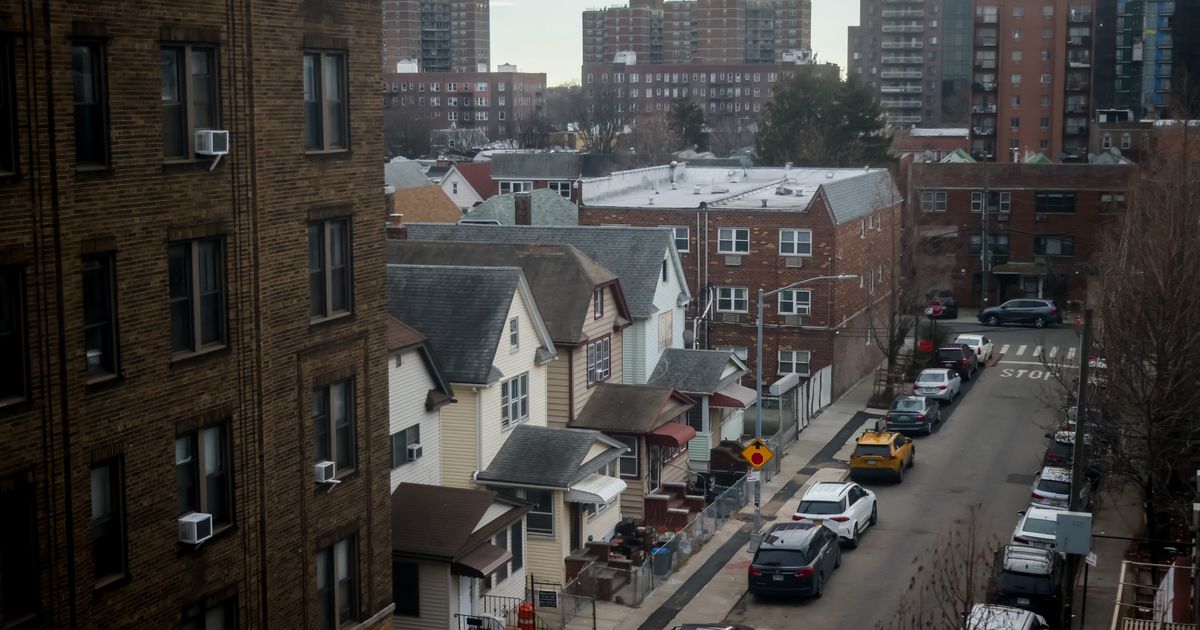
The pursuit of housing in New York City has long been characterized by fierce competition, exorbitant prices, and occasional desperation. However, a recent criminal indictment handed down by the Queens District Attorney’s Office illuminates a darker, highly calculated element plaguing the municipal rental market: sophisticated housing fraud. At the center of this legal action is 35-year-old Rajat Verma of Franklin Square, Long Island, who stands accused of running an elaborate, multi-borough leasing scam that victimized more than a dozen prospective tenants over a 14-month period. According to investigators, Verma exploited the city’s critically low housing inventory by assuming a rotating cast of false identities, listing properties he did not own, and pocketing tens of thousands of dollars in illicit security deposits and rental fees.
The Case Against Rajat Verma: Mechanics of the Operation
The operational framework utilized by Verma, as outlined in court documents released by Queens District Attorney Melinda Katz, relied on deception, impeccable timing, and a deep understanding of standard real estate procedures. Beginning in September 2022 and continuing through November 2023, Verma allegedly targeted residential apartments across Queens and Brooklyn, submitting formal rental applications to property owners and managers.
To secure the keys to these units, Verma allegedly provided fraudulent checks to landlords. In the crucial window of time—typically several days—before property owners realized the checks were bouncing or accounts were invalid, Verma moved swiftly. Leveraging the physical access granted by holding the keys, he allegedly reinvented himself as a legitimate real-estate broker, listing the very same apartments on various online platforms.
Rather than maintaining a single online persona, Verma operated under roughly a dozen distinct aliases. Among the names used to deceive prospective renters were "Bobby Gupta," "Dave Mair," and "Samir." Through these fabricated identities, he lured desperate apartment hunters searching in neighborhoods stretching from Maspeth and College Point in Queens to Bay Ridge in Brooklyn.
At least 15 individuals fell victim to the ruse, spanning eight distinct properties. Trusting the legitimacy of the listings and believing they had secured a rare victory in New York’s brutal housing market, the victims handed over substantial sums of money covering first month’s rent, security deposits, and broker fees. In return, Verma provided them with keys to what they believed were their new homes.
The Collapse of the Scheme
The deception inevitably unraveled upon move-in day, revealing a chaotic trail of confusion and frustration for the victims. In some instances, the physical keys provided by Verma simply did not work in the apartment doors, leaving tenants stranded outside with their belongings loaded into moving trucks.
In a particularly egregious example cited by prosecutors, a family arrived at an apartment they believed they had legally rented, only to find that a completely different family—who had also been duped by Verma in a parallel transaction—was already living inside the unit.
By the time law enforcement pieced together the pattern, investigators calculated that Verma had defrauded prospective tenants out of a combined $61,625. In late 2023, the Queens District Attorney’s Office formally indicted Verma on a litany of serious charges, including grand larceny, identity theft, and scheme to defraud. If convicted on the top counts, Verma faces up to seven years in New York State prison.
Legal Defense and Counterarguments
Following the public announcement of the indictment, legal representatives for the defendant moved to challenge the prosecution’s narrative. Joseph Grasso, the defense attorney representing Verma, firmly denied the allegations brought against his client.
In public statements regarding the case, Grasso emphasized Verma’s character outside of the courtroom, describing him as a devoted husband, a dedicated father, and a family man who resides with and actively cares for his elderly parents. The defense is expected to scrutinize the evidentiary trail linking Verma directly to the online aliases used in the listings, as well as the specific financial transactions cited in the indictment. Despite these assertions, prosecutors remain confident in the documentary and digital evidence collected during the multi-agency investigation.
A Broader Crisis: NYC’s Rental Market as a Breeding Ground for Fraud
While the scale and complexity of Verma’s alleged operation make it a standout case in recent local law enforcement history, housing experts and municipal officials emphasize that rental scams are distressingly common across the five boroughs.
The underlying vulnerability of the New York City rental market stems from a profound supply-and-demand imbalance. According to data from the New York City Department of Housing Preservation and Development (HPD), the city’s vacancy rate plummeted to a historic low of 1.4 percent, a threshold that housing advocates and economists describe as a full-scale emergency. Concurrently, market-rate rents have steadily climbed to unprecedented highs, pushing lower- and middle-income renters to the absolute margins of affordability.
This desperate environment creates a fertile landscape for bad actors. Scammers frequently exploit the psychological pressure renters face to act quickly or lose out on an apartment. Recent years have seen numerous high-profile arrests highlighting the pervasive nature of this crime wave.
In a parallel case prosecuted in Manhattan, a man named Nicholas Fuelling pleaded guilty to grand larceny and fraud after scamming 17 people out of roughly $50,000. Fuelling’s scheme involved advertising a $3,200-a-month sublease for a bedroom in a Hell’s Kitchen apartment that he was renting. None of the prospective subtenants were ever able to move in, and several were left functionally unhoused as a result of the deception.
Similarly, another borough-wide operator, Juan Valoy, pleaded guilty to charges stemming from an extensive scam where he posed as a licensed real-estate broker, stealing more than $100,000 in security deposits and application fees from nearly two dozen victims across Manhattan and the Bronx. Valoy was subsequently sentenced to prison time.

Addressing the crisis in an interview with Crain’s New York Business, Manhattan District Attorney Alvin Bragg noted the adaptability of financial criminals in the housing sector. "The real-estate market is tight, and opportunity breeds fertile ground for fraud," Bragg warned. "We see people who are quite good at fraud and exploiting a moment."
How Prospective Tenants Can Protect Themselves
In light of the persistent threat posed by fraudulent brokers and phantom landlords, consumer protection agencies, legal aid organizations, and real estate associations have stepped up educational efforts to help renters verify listings before exchanging funds.
Regulatory bodies emphasize that basic due diligence can serve as an effective defense against many common scams. Key preventative measures recommended by housing experts include:
- Verify Licensing: The New York Department of State maintains a publicly accessible online database of all licensed real estate brokers and salespersons operating within the state. If an individual claims to represent a brokerage, their name and license status should appear in this registry.
- Conduct Independent Research: A simple web search using the name, phone number, and email address of the purported broker or landlord can often unearth warning signs, consumer complaints, or conflicting online identities.
- Inspect the Physical Property: Renters should be deeply skeptical of landlords or brokers who demand deposits or rent payments before allowing a physical walkthrough of the interior of the unit. Furthermore, payments should never be made via untraceable methods such as cash, wire transfers, peer-to-peer payment apps, or cryptocurrency.
- Scrutinize Lease Agreements: Legitimate leases typically contain comprehensive legal language, clear landlord of record details, and verifiable management company contacts. Tenants should cross-reference property ownership records using the Automated City Register Information System (ACRIS) maintained by the New York City Department of Finance.
- Trust Intuition: Real estate professionals stress that if an advertised rental price appears drastically below market value for a given neighborhood, or if the leasing process feels rushed, pressured, or overly opaque, prospective tenants should walk away.
Implications for the Future of NYC Housing Regulation
The case against Rajat Verma and the parallel prosecutions of other rental fraudsters highlight systemic vulnerabilities within New York’s housing ecosystem. Beyond the immediate financial losses sustained by victims—many of whom are working-class individuals struggling to maintain a foothold in the city—these crimes inflict deep psychological tolls and exacerbate the city’s broader homelessness crisis.
As local prosecutors continue to crack down on identity theft and real estate fraud, housing advocates are calling for tighter municipal oversight of online listing platforms and enhanced consumer protection frameworks. Lawmakers are increasingly examining ways to hold digital classifieds and social media marketplaces more accountable for unverified housing advertisements that facilitate criminal activity.
For now, the legal proceedings against Verma will move forward in Queens Supreme Court, serving as both a cautionary tale for prospective New York renters navigating a hyper-competitive market and a reminder of the vital importance of rigorous verification in the modern housing search.