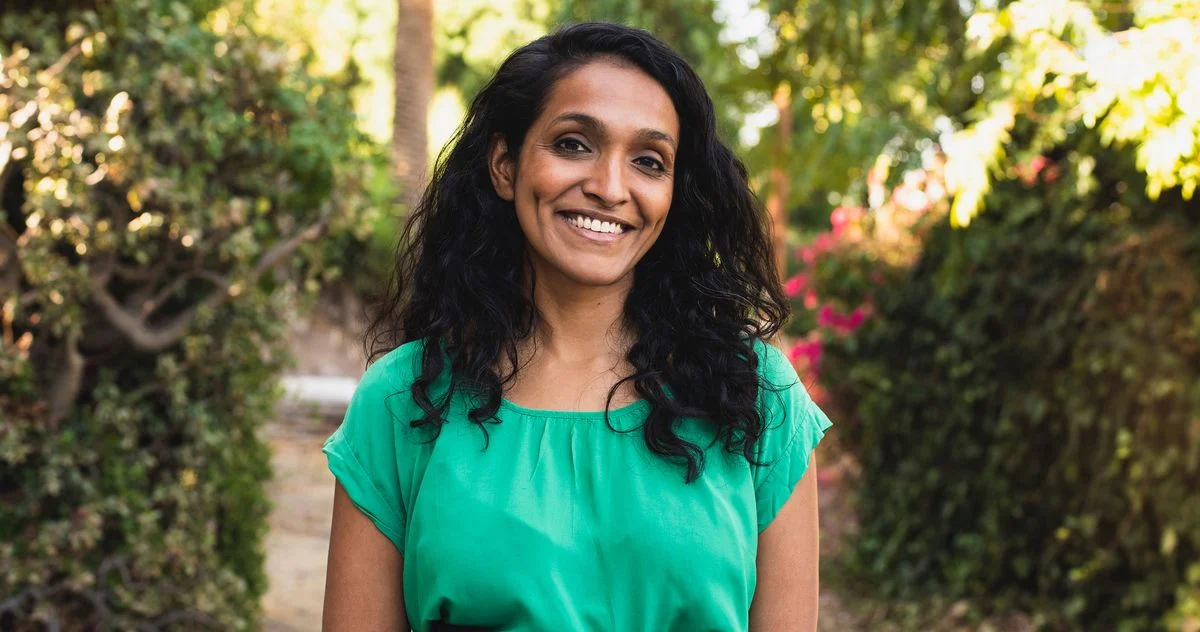
The political landscape of Los Angeles has long been defined by entrenched power dynamics, sprawling suburban-style neighborhoods, and a notoriously slow-moving municipal bureaucracy. For decades, the governance of the nation’s second-largest city operated under a predictable playbook dominated by well-funded political insiders and cautious incumbents. However, the rise of urban planner and community organizer Nithya Raman fundamentally disrupted this status quo, signaling a potential turning point in how the sprawling metropolis addresses its most persistent crises, from chronic housing shortages and homelessness to public safety and infrastructure modernization.
The Anatomy of a Political Upset
To understand the magnitude of Raman’s emergence in local politics, one must examine the sheer scale of Los Angeles municipal governance. With nearly 4 million residents represented by a mere 15 city councilmembers, each district functions almost like a mini-fiefdom. Raman’s victory in the Fourth District—a geographically jagged constituency winding through the Hollywood Hills and encompassing several affluent, politically active enclaves—was a watershed moment. Traditionally, winning this seat required pandering to vocal neighborhood groups notorious for leveraging zoning laws and legal challenges to halt transit initiatives, affordable housing developments, and emergency homeless shelters.
Raman, a 39-year-old urban planner with degrees from Harvard and MIT, achieved what many political analysts considered impossible: she unseated a well-funded incumbent without prior experience holding elected office. Her grassroots campaign mobilized an unprecedented surge in voter participation during a global pandemic, catapulting voter turnout in her district to record highs. Supporters and volunteers leveraged digital organizing tools, extensive community outreach, and detailed policy transparency to demystify local government operations for thousands of new voters.
Background and Ideological Roots
Raman’s approach to governance is deeply informed by her professional background in urban planning and advocacy. Having moved to the United States from Kerala, India, as a child, she later worked in municipal administration and co-founded organizations aimed at combating urban poverty both locally and internationally, including a stint directing Time’s Up Entertainment.
Her transition from technical administration to grassroots activism was catalyzed in 2014, when she authored a report examining how the city allocated $100 million in homelessness funding. The findings were a revelation: a significant portion of public funds was being funneled into punitive enforcement and incarceration rather than housing solutions or supportive social services. Witnessing the direct impact of these policies on unhoused residents in neighborhoods like Silver Lake, Raman co-founded a local nonprofit providing direct aid, such as showers and meals, while advocating for permanent, rapid-rehousing models.

Policy Platform and Structural Reform
Unlike conventional political campaigns centered on vague promises, Raman’s platform functioned as an intensive civics masterclass. Utilizing digital media and detailed public policy briefs, she addressed complex issues such as:
- Housing and Rent Relief: Pushing for feasible local rent-forgiveness frameworks and accelerated development of affordable housing near transit corridors.
- Public Safety: Aligning with community demands to reimagine public safety budgets and shift resources toward social services and mental health response teams.
- Environmental Sustainability: Championing aggressive climate goals, including a pathway toward a fully clean-energy municipal infrastructure by 2030.
- Municipal Governance and Representation: Advocating for comprehensive charter reform to increase the number of city council districts, thereby diluting concentrated power and giving historically marginalized renters, workers, and transit riders a definitive voice in City Hall.
This progressive vision starkly contrasted with the establishment-backed campaign of her opponent, incumbent David Ryu. Despite securing endorsements from prominent local figures and substantial financial backing, Ryu’s platform struggled to capture the public momentum generated by a populace increasingly galvanized by economic uncertainty and the nationwide racial justice movements of 2020.
Institutional Challenges and the Path Forward
Raman’s ascent to the City Council highlighted systemic barriers that have historically excluded women and primary caregivers from local politics. Serving as one of the few women on a male-dominated council, she has consistently underscored how structural issues—such as inflexible evening meeting schedules and a lack of municipal childcare resources—deter working parents from seeking public office. Ironically, the pivot toward remote digital participation during the COVID-19 pandemic demonstrated how technological adaptation could democratize access to public forums, a lesson urban planners hope the city will institutionalize long-term.
The broader implications of Raman’s leadership extend far beyond her specific district. Her transition from an outside critic of bureaucratic machinery to an insider tasked with operating it represents a profound test for modern urbanism in America. Observers across the country are closely watching to see whether rigorous, data-driven urban planning principles can successfully dismantle decades of bureaucratic inertia, exclusionary zoning, and socioeconomic inequality.
As Los Angeles navigates ongoing economic recovery, housing affordability crises, and the complexities of climate change, the tenure of urban planners turned elected officials may well establish a new blueprint for municipal governance nationwide. Whether Raman and her allies can effectively bend the machinery of City Hall to serve the broader populace will determine not only the future of Los Angeles, but also the viability of progressive urbanism in twenty-first-century America.