Paramount Pictures has officially set a firm release date for its highly anticipated reimagining of the G.I. Joe franchise. The project, currently titled Joe, is slated to hit theaters on October 20, 2028. This announcement marks a significant pivot for the studio, which has struggled to translate the massive popularity of the Hasbro toy line and its iconic 1980s animated series into a consistent, long-term cinematic success. The studio confirmed that actor Bradley Cooper has been cast to portray the central character, Duke, signaling a major star-driven push for the intellectual property.
Creative Direction and Production Team
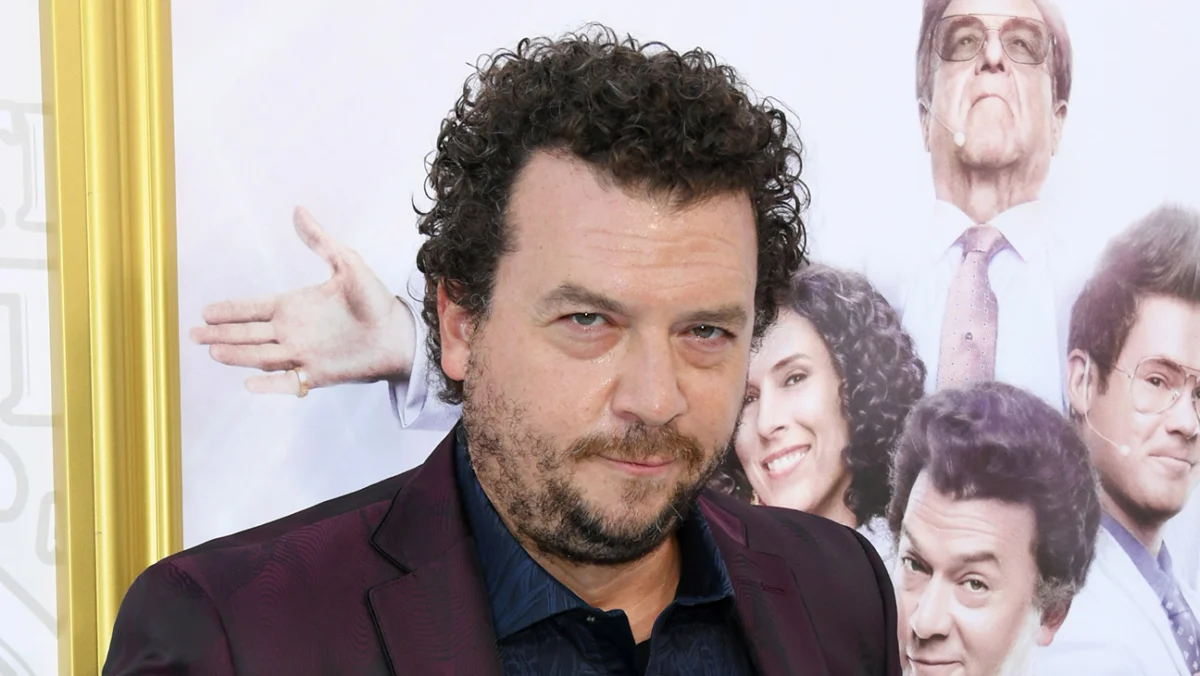
The studio has tapped Danny McBride to helm the project, a choice that industry analysts view as a distinct departure from the franchise’s previous attempts at high-octane, traditional action spectacles. McBride, known for his work in both comedic writing and increasingly nuanced character-driven projects, will also pen the script alongside longtime collaborators Jeff Fradley and John Carcieri.
The production team brings significant weight to the project, with veteran producer Lorenzo di Bonaventura—who has been instrumental in the development of the G.I. Joe brand on screen—serving as a lead producer. He is joined by Mark Vahradian, alongside Zev Foreman representing Hasbro Entertainment. This leadership structure reflects a deliberate strategy by Hasbro to leverage their deep catalog of intellectual properties by partnering with filmmakers who possess a distinct creative vision, rather than relying on the standardized studio blockbuster model that defined the early 2010s.
Historical Context of the G.I. Joe Franchise
The G.I. Joe brand holds a storied position in American pop culture, originating as a line of action figures in 1964 and evolving into a massive multimedia franchise with the 1982 relaunch, which introduced the "Real American Hero" narrative. Despite its status as a cultural titan, the transition to film has been notoriously difficult.
The franchise’s first major foray, G.I. Joe: The Rise of Cobra (2009), grossed approximately $302 million worldwide against a production budget of $175 million. While it performed respectably, it failed to ignite the kind of critical or audience fervor that would sustain a long-term series. Its successor, G.I. Joe: Retaliation (2013), attempted a softer reboot, grossing $375 million globally. However, the 2021 spin-off, Snake Eyes, proved to be a critical and commercial low point, grossing only $40 million worldwide against a budget of $88 million. The 2028 project, Joe, represents a "clean slate" attempt to finally find the right tone for a live-action interpretation that resonates with modern audiences.
Strategic Shift at Hasbro Entertainment
Hasbro Entertainment has recently adopted a more patient approach to its portfolio. By prioritizing the selection of creative voices—such as tapping Craig Mazin for a television adaptation of Baldur’s Gate 3 and Matt Johnson for a film based on Magic: The Gathering—the company is signaling that it is no longer willing to rush projects through development.
This strategy is aimed at "elevating" the material. The decision to wait until 2028 for the release of Joe allows the creative team ample time for pre-production and script refinement, a luxury that was not afforded to previous iterations of the brand. Industry experts suggest this move is designed to avoid the "franchise fatigue" that often plagues legacy action films. By attaching a high-profile talent like Bradley Cooper, Hasbro and Paramount are looking to ground the film in a performance-led narrative, shifting away from the ensemble-heavy, plot-convoluted approach that defined previous G.I. Joe entries.
Implications for the Paramount Slate
The announcement of the Joe release date comes alongside a broader restructuring of Paramount’s upcoming film calendar. In a related move, the studio has shifted its upcoming Paranormal Activity reboot. Originally scheduled for May 21, 2027, the film has been pushed to the Halloween season, specifically October 22, 2027.
This move highlights the studio’s focus on seasonal placement. By positioning the Paranormal Activity reboot in October, Paramount is leaning into the established success of horror-centric releases during that month. The film, directed by Ian Tuason, represents a fresh start for the found-footage juggernaut, which has generated over $900 million in total global box office revenue since the original 2007 film transformed the genre. Tuason, who gained industry attention with the low-budget indie breakout Undertone, will be working under the guidance of horror icons James Wan and Jason Blum, whose Blumhouse Atomic banner is producing the project.
Market Analysis and Future Outlook
The landscape for mid-to-high budget action films is currently undergoing a period of recalibration. Audiences are increasingly demanding unique narrative hooks rather than standard franchise continuity. The decision to frame Joe as a "reimagining" rather than a sequel or a standard prequel suggests that the filmmakers intend to deconstruct the G.I. Joe mythos and present a version that feels more contemporary and less reliant on 1980s nostalgia.
The casting of Bradley Cooper—a multi-hyphenate talent who has demonstrated significant success as both an actor and a director—also suggests a desire for a more grounded, perhaps more mature, tone for the character of Duke. This could potentially move the series into the territory of successful character-led action films like the Mission: Impossible series or the recent Bourne entries, which prioritize character stakes as much as physical spectacle.
For Paramount, the success of these two distinct projects—the horror-focused Paranormal Activity reboot in 2027 and the tentpole action film Joe in 2028—will be vital in maintaining its position as a major studio player. The studio’s willingness to delay projects to ensure higher quality reflects a wider industry trend where the "quantity over quality" model is being aggressively abandoned in favor of carefully curated, star-driven, and genre-specific content.
Conclusion
As the 2028 release date approaches, the development of Joe will be closely monitored by industry observers. With a writing team that leans toward character comedy and drama, and a lead actor who is among the most bankable stars in Hollywood, the film is positioned to be a litmus test for whether a legacy toy brand can be successfully reinvented for a modern cinematic audience. For now, the commitment of the studio and the patience shown by the production team suggests that the project is being treated with a level of care that has been conspicuously absent from the G.I. Joe franchise for the past two decades.