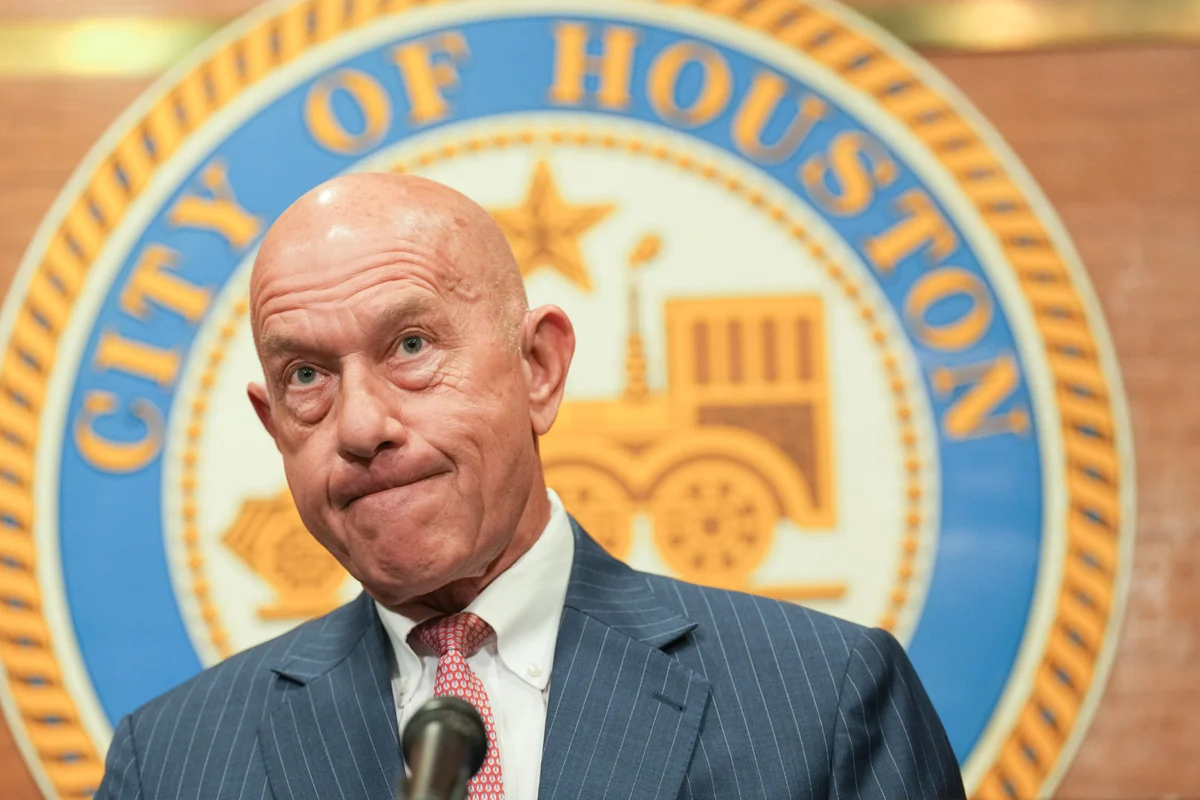
The political landscape of Texas underwent a seismic transformation following the 2026 midterm elections, prompting immediate policy shifts at the municipal level. On Friday, Houston Mayor John Whitmire signed a sweeping executive action directing the Houston Police Department to cease all cooperative enforcement mechanisms with U.S. Immigration and Customs Enforcement (ICE). The directive represents a definitive departure from previous state mandates and signals a concerted effort by local leadership to redefine community relations, particularly within the state’s substantial immigrant populations.
The executive action directly challenges the enforcement framework established by controversial state legislation passed earlier in the year. Texas Senate Bill 4 (SB 4), enacted by the Republican-controlled legislature prior to the midterms, had granted state and local law enforcement broad authority to engage in immigration enforcement and strictly prohibited municipalities from maintaining sanctuary policies. However, the subsequent Democratic sweep of statewide offices and the statehouse fundamentally altered the balance of political power, removing the immediate threat of state-level punitive measures against non-compliant jurisdictions and emboldening local leaders to reclaim municipal autonomy regarding public safety priorities.
Main Facts and the Executive Directive
Under the newly implemented mayoral directive, the operational relationship between local police and federal immigration authorities in Houston is set to undergo a rigorous restructuring. Mayor Whitmire articulated the core tenets of the policy during a Friday press conference, emphasizing that local law enforcement resources will no longer be utilized to assist federal agents in routine immigration sweeps or administrative arrests.
"Elections matter," Whitmire stated during the announcement. "I was on the Senate floor when SB 4 was approved. I voted against it […] I voted no because we were concerned about the fear, the anxiety that it would create."
According to the mayor’s office, local police officers will maintain standard operational protocols regarding criminal investigations, but the threshold for involving federal immigration authorities has been significantly narrowed. "ICE will only be contacted if someone commits a jailable offense," Whitmire explained. Municipal leadership contends that disengaging local police from federal immigration enforcement is a vital prerequisite for restoring public trust, particularly in immigrant-dense neighborhoods where fear of deportation has historically suppressed crime reporting and cooperation with local authorities.
Background Context and the Legislative Battle Over SB 4
The friction between Texas municipalities and federal immigration enforcement is rooted in a prolonged legal and legislative tug-of-war. For years, major Texas cities—including Houston, Austin, Dallas, and San Antonio—sought to balance local policing priorities with community welfare by limiting entanglement with federal immigration authorities. Proponents of these sanctuary-style guidelines have consistently argued that local police involvement in civil immigration enforcement discourages victims and witnesses of crimes from coming forward, thereby compromising overall public safety.
Conversely, state-level proponents of SB 4 argued that uniform enforcement of immigration laws is essential for border security and public order. The law, which faced immediate legal challenges from civil rights organizations and municipal governments upon its initial introduction, empowered local officers to arrest individuals suspected of unauthorized entry and mandated that local entities cooperate with federal detainee requests.
The political calculus shifted dramatically, however, with the outcomes of the 2026 midterm elections. The decisive victory of Democratic candidates across statewide executive positions and legislative chambers created a new governing reality in Austin. With the political mandate of the previous administration neutralized, municipal leaders like Whitmire seized the opportunity to dismantle enforcement mechanisms they had opposed since their inception in the state senate.
Chronology of Escalating Tensions and Incidents in 2026
The urgency surrounding Mayor Whitmire’s executive order was heavily compounded by a series of high-profile, volatile incidents involving federal immigration agents across Texas earlier in the year. These events intensified public scrutiny of federal enforcement tactics and catalyzed community activism.
In early 2026, an ICE agent in Houston was criminally charged with aggravated assault following an aggressive pursuit during an immigration operation. According to court records and investigative reports, the agent allegedly drove an SUV into Miguel Parra Hernandez, a Mexican construction worker, while attempting to apprehend him. The incident drew immediate condemnation from local advocacy groups and municipal officials, who questioned the tactical restraint and accountability of federal personnel operating within urban centers.
Several months prior, in September, another violent encounter unfolded in Austin. During a routine traffic stop conducted by federal agents, a Venezuelan national named Wilber Rafael Garces Perez was shot and wounded. The shooting triggered widespread protests throughout the Texas capital, drawing national attention to the friction between local communities and federal immigration enforcement operations.
Compounding these operational flashpoints, Texas migrant detention facilities faced relentless scrutiny throughout the year. Human rights organizations and federal oversight bodies documented persistent allegations of civil rights violations, inadequate medical care, and substandard living conditions within the state’s detention network. According to advocacy tracking and public health data, at least six migrants died while in custody at Texas ICE detention facilities during the early months of 2026 alone, fueling a humanitarian outcry that resonated deeply with voters.
Supporting Data and Demographic Shifts
The intersection of aggressive immigration enforcement policies, high-profile operational casualties, and deteriorating conditions in detention facilities manifested clearly in voting behavior during the 2026 midterms. Demographic analysis of the election results revealed a pronounced realignment among Hispanic voters in Texas, a constituency that historically exhibits diverse political leanings but overwhelmingly rejected Republican candidates in this election cycle.
Political analysts attribute this shift to voter fatigue regarding polarizing social policies, economic anxiety, and direct community exposure to the anxieties generated by SB 4 and heightened enforcement actions. The total displacement of the previous Republican majority in the statehouse created the legislative vacuum necessary for local executives to enact reforms without immediate statutory reprisal.
Implications and Broader Impact on Texas Governance
The decision by Houston’s mayor to sever cooperation with ICE carries profound implications for the future of governance and law enforcement cooperation in Texas. As the state’s largest city and the fourth-largest in the United States, Houston’s policy pivot establishes a powerful precedent for other metropolitan areas navigating the post-midterm political environment.
Legal experts suggest that while municipalities possess considerable discretion over the allocation of local police resources, the executive order may still invite legal challenges or friction with federal authorities who retain primary jurisdiction over immigration enforcement. The Trump administration’s federal immigration agenda relies heavily on cooperative federalism—the premise that local and state law enforcement agencies act as force multipliers for federal mandates. By withdrawing local participation, Houston effectively creates operational friction that could impede federal enforcement metrics within the region.
Conversely, supporters of the mayor’s action argue that local police departments must prioritize community policing over federal administrative duties to maintain social cohesion and public safety. By limiting ICE engagement to individuals accused of serious, jailable offenses, the administration aims to reassure residents that routine interactions with municipal authorities will not automatically trigger deportation proceedings.
As the new state government assumes power in Austin and local jurisdictions recalibrate their administrative frameworks, Houston’s executive order serves as an early indicator of a broader restructuring of immigration policy implementation across Texas. Whether other major cities will follow suit remains to be seen, but the policy shift marks a definitive turning point in the ongoing debate over the boundaries of local authority and federal enforcement mandates.