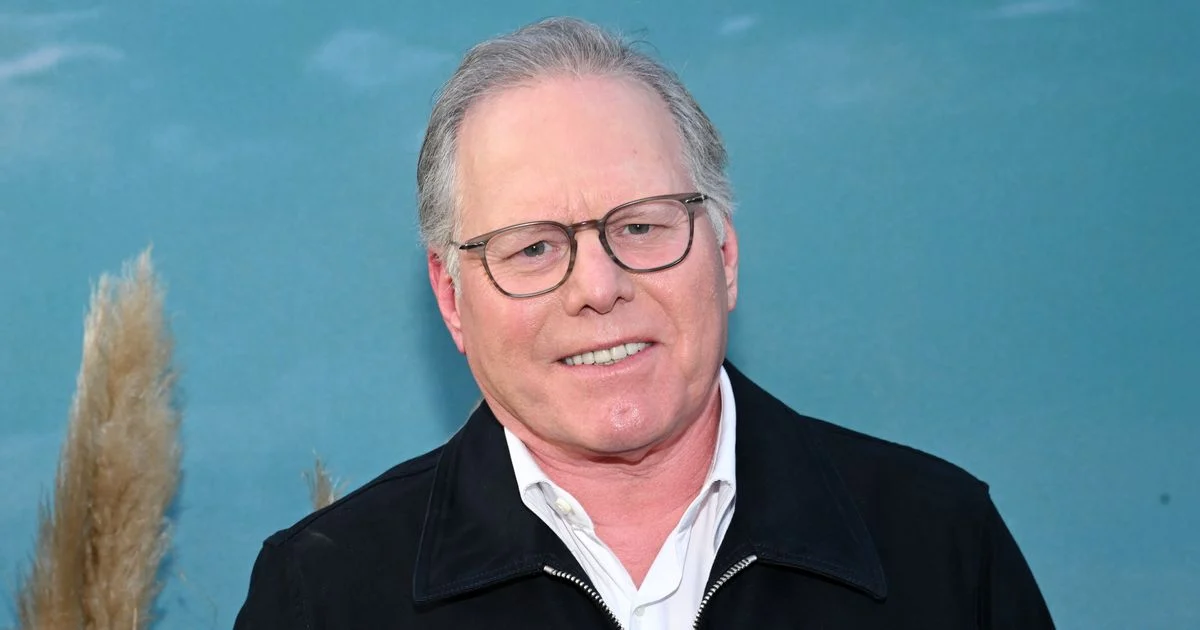
David Zaslav, the Chief Executive Officer of Warner Bros. Discovery, has emerged as a primary contender to acquire Mohawk Day Camp, a prestigious summer institution in White Plains, New York, that his own children once attended. The move follows a significant financial maneuver by the media mogul, who recently liquidated approximately $60 million in Warner Bros. Discovery stock. This liquidity appears to have been immediately channeled toward a stalking-horse bid for the nearly century-old camp, which has found itself at the center of a complex bankruptcy proceeding involving its parent company, Simad Holdings.
According to federal bankruptcy court filings in New Jersey, Zaslav’s investment vehicle, Grandview Ventures, submitted a $68 million offer for the property and its operations. The bid was first brought to public attention via reports from Bloomberg Law and The Real Deal, highlighting a rare intersection of high-level corporate finance and the niche, high-value industry of elite summer recreation in the New York metropolitan area. While the bid is substantial, it serves as a "stalking horse" offer, meaning it establishes a baseline price for the asset in a court-supervised auction, potentially inviting higher bids from other interested parties.
The Legacy of Mohawk Day Camp and the "Bus Camp" Economy
Mohawk Day Camp is far more than a local recreation center; it is a storied fixture of the Westchester County landscape. Founded nearly 100 years ago, the camp has built a reputation as one of the premier "bus camps" serving the elite families of Manhattan’s Upper East Side and the affluent suburbs of the tri-state area. Unlike traditional sleepaway camps, Mohawk caters to families who desire a comprehensive, high-end camp experience during the day while ensuring children return home each evening.
The camp’s business model is built on high-touch service and premium pricing. For the 2025 season, reports indicate that an eight-week session cost approximately $12,000 per child. For this fee, campers receive access to a sprawling campus in White Plains equipped with zip lines, swimming pools, athletic fields, and specialized programming in the arts and sciences. The camp’s location makes it a prime piece of real estate, situated in one of the most expensive counties in the United States, where land value often competes with the value of the business operations themselves.
In a public statement regarding the bid, Zaslav framed the potential acquisition as a sentimental and personal family investment. He noted that his three adult children are alumni of the program, and he emphasized his lifelong belief in the formative power of the summer camp experience. However, the financial scale of the bid suggests that while the motivation may be personal, the transaction is a serious business undertaking involving a high-performing asset.
The Financial Distress of Simad Holdings
The sale of Mohawk Day Camp is not a voluntary divestment but the result of severe financial turbulence within its parent company, Simad Holdings. In May 2026, Simad Holdings defaulted on payments to its Israeli bondholders, a development that sent shockwaves through its portfolio of approximately 30 summer camps across the Northeast. By June, the company was forced to declare bankruptcy.
Despite the corporate-level insolvency, Mohawk Day Camp has continued its day-to-day operations without interruption. The camp remains the "crown jewel" of the Simad portfolio, a status reflected in its independent valuation. Appraisers in 2025 valued the camp’s operations alone at $85.8 million, with projected revenues for the 2026 fiscal year estimated at $22.85 million. These figures suggest that Zaslav’s $68 million bid, while significant, sits comfortably below the most recent professional appraisal, providing a potential "value play" for the executive if no higher bidders emerge during the bankruptcy auction.
Chronology of the Acquisition Attempt
The timeline of this potential acquisition illustrates the speed at which high-net-worth individuals can pivot from corporate equity to tangible real estate assets:
- May 2026: Simad Holdings defaults on its obligations to international bondholders, signaling the beginning of its fiscal collapse.
- June 2026: Simad Holdings officially files for Chapter 11 bankruptcy protection in a New Jersey federal court.
- Early July 2026: David Zaslav executes a sale of Warner Bros. Discovery stock, netting nearly $60 million in capital.
- July 16, 2026: Reports surface that Zaslav’s Grandview Ventures has placed a $68 million stalking-horse bid for Mohawk Day Camp.
- July 20, 2026: Legal filings and media reports confirm the bid details and the camp’s valuation, as the bankruptcy court prepares to oversee the auction process.
The bankruptcy court must now review the bid and determine the schedule for an auction. If other bidders come forward, they will be required to exceed Zaslav’s floor price, typically by a predetermined increment, and may also be required to cover a "break-up fee" to Grandview Ventures if Zaslav’s bid is ultimately surpassed.
The Stalking Horse Strategy and Real Estate Implications
In bankruptcy law, a stalking-horse bidder is chosen by the debtor to set the bar for the purchase price of its assets. This prevents low-ball offers and ensures that the auction starts at a competitive level. For Zaslav, being the stalking horse provides several advantages, including the opportunity to perform extensive due diligence on the camp’s finances and physical infrastructure before other competitors.
From a real estate perspective, the acquisition of Mohawk Day Camp is a low-risk, high-reward move. Westchester County real estate has remained resilient even during broader market fluctuations. The property’s zoning and established use as a camp make it a rare commodity. In a region where large, contiguous tracts of land are increasingly scarce, owning a multi-acre campus in White Plains provides long-term equity growth potential that extends beyond the seasonal revenue of the camp itself.

Broader Impact and Industry Analysis
The potential purchase of a summer camp by a major media CEO highlights a growing trend of high-net-worth individuals diversifying into "lifestyle" assets and specialized education/recreation sectors. For Zaslav, whose tenure at Warner Bros. Discovery has been marked by aggressive cost-cutting, major mergers, and a fluctuating stock price, the acquisition of a stable, cash-flow-positive asset like Mohawk Day Camp represents a hedge against the volatility of the entertainment industry.
Industry analysts suggest that the "bus camp" sector is particularly insulated from economic downturns. The demographic served by Mohawk—wealthy New York City families—tends to prioritize child development and summer childcare even during periods of broader market contraction. With a projected revenue of over $22 million, the camp operates with high margins, as much of its infrastructure is already paid for and its seasonal labor model keeps year-round overhead manageable.
Furthermore, the involvement of a figure as prominent as Zaslav brings a new level of scrutiny to the summer camp industry. Once seen as a fragmented market of "mom and pop" operators, the industry has increasingly attracted private equity and corporate-style management. Simad Holdings’ failure was not a result of the camps’ lack of popularity, but rather a result of over-leveraged corporate debt—a common theme in modern asset management.
Future Outlook
As the bankruptcy proceedings move forward, the fate of Mohawk Day Camp remains in the hands of the New Jersey federal court. While Zaslav’s bid is the most prominent, the high valuation of the camp ($85.8 million) suggests that other institutional investors or real estate developers may still enter the fray.
If Zaslav is successful, he will transition from overseeing a global media empire to managing zip-line adventures and swim lessons for the next generation of New York’s elite. For the families who rely on Mohawk, the hope is that a transition to Zaslav’s ownership will provide the financial stability that was lacking under Simad Holdings.
For Zaslav personally, the move provides a professional insurance policy. In an era where media consolidations—such as the rumored interest from Paramount—frequently lead to executive reshuffling, owning a premier Westchester institution offers a prestigious and profitable "second act." Whether this remains a "personal family investment" or evolves into a broader foray into the recreation industry remains to be seen, but for now, the CEO of Warner Bros. Discovery has set his sights on a very different kind of production: the quintessential American summer.