David Michon, founder and editor of the Substack and print magazine For Scale, has long observed a disconnect between how people actually live and how interior design is marketed in mainstream retail spaces. This friction culminated in a striking realization during a snowy February afternoon in New York City. Seeking refuge from a blizzard, Michon stepped into the McNally Jackson bookstore on Prince Street in SoHo. Rather than finding inspiration, he experienced a profound sense of frustration. The "interior design" section was dominated by an endless row of hyper-similar monographs, heavily reliant on the word "curated" in their titles. To Michon and others deeply attuned to the nuances of home aesthetics, the display bore no resemblance to a real, lived-in bookshelf.
Real interior décor, Michon argues, defies tidy, corporate categorization. Authentic bookshelves possess range and blurred edges, housing an eclectic mix of texts on quilting, medieval tablescapes, cultural tasting theories, vintage magazines, volumes on ikebana, and physical media items like a DVD of Whit Stillman’s metropolitan classic. Driven by a desire to showcase an honest, lived-in approach to design literature, For Scale partnered with Spanish lighting manufacturer Santa & Cole—renowned for producing the essential Bib Luz bookshelf lamp—to curate an antidote to homogenized retail displays. The result is a weeklong pop-up interior bookshop hosted at Park at Kims in Nolita, bringing together an array of rare, affordable, and deeply personal design titles selected by some of the most distinctive creative voices in contemporary culture.
The Anatomy of the Pop-Up: Sourcing Authentic Design Literature
To bring the vision of a genuine, highly individualized décor shelf to life, Michon
collaborated with Geoff Snack, founder of Wrong Answer, a specialized bookstore housed within the USM showroom in SoHo. Snack, known for his curatorial eye regarding vintage print media and rare publications, worked alongside Michon to source affordable copies of titles handpicked by a network of prominent designers, gallerists, and tastemakers.
The contributors to the pop-up represent a cross-section of modern creative disciplines. Among them are Rosa Park of Francis Gallery; Kelly Wright of Yuns; Trang Tran of Salon 94; designers Andu Masebo, Levi Di Marco, Sophie Lou Jacobsen, and Peter Staples of Blue Green Works; alongside independent purveyors like Landslide Books and Italo Book Club. Together, they selected a roster of books and magazines that diverge sharply from standard commercial monographs.
Central to the installation is a custom, wacky USM modular bookshelf designed specifically for the event. Rather than presenting books as pristine, uncracked lifestyle props meant merely to telegraph status, the pop-up highlights publications that show the physical evidence of being read, handled, and lived with.
The Debate Over Patina and the Appeal of Vintage Print
The collaboration between Michon and Snack highlights an ongoing conversation within the design community regarding the physical state of books. While contemporary coffee table books are frequently treated as static interior objects with uncracked spines, vintage collectors and independent booksellers often debate the value of wear and tear.
Snack distinguishes between what he terms "good patina" and "bad patina." While missing dust jackets held together by transparent tape or extensive structural tears detract from a book’s integrity, minor edge wear, subtle page grit, and natural yellowing are viewed as desirable markers of history and human engagement. Despite Snack’s personal appreciation for this lived-in aesthetic, commercial realities require a balanced sourcing strategy. Many collectors and everyday buyers still seek pristine copies, compelling independent booksellers to source a mix of weathered artifacts and flawless editions.
The enduring popularity of affordable interior design books among individuals outside the professional trade points to a deeper psychological phenomenon. For non-designers, pouring over books about interiors serves as an ultimate exercise in personal expression. It allows individuals to engage in a speculative mind experiment regarding "possible selves"—imagining their living spaces as profound extensions of identity rather than mere utilitarian shelters.
Magazines as Honest Archives of Design Evolution
One of the most notable elements of the For Scale pop-up is its heavy emphasis on vintage magazines and periodicals rather than traditional hardcover monographs. Among the most sought-after items are 1980s issues of the Italian architecture and design magazine Ottagono, alongside foundational publications like Domus, Casa, and historic zines produced by Archigram and Ettore Sottsass.
The appeal of period magazines lies in their inherent immediacy. Unlike definitive monographs, which often smooth over historical contradictions to present a unified narrative, magazines act as real-time snapshots of rapidly evolving creative movements. They capture ephemeral trends, experimental layouts, and radical shifts in taste without the pressure of establishing a permanent canon.
Furthermore, historical magazines offer a unique window into the graphic and industrial design standards of their eras through their advertising content. Mid-century and late-century advertisements found within publications like Studio International, Domus, and Casa were frequently inventive and experimental, serving as vital cultural artifacts in their own right. For Scale has notably integrated this philosophy into its own print publication, explicitly labeling advertisements at the top of pages—a transparent editorial choice that has generated overwhelmingly positive reader feedback.
The Shift from Forensic Documentation to Curatorial Personality
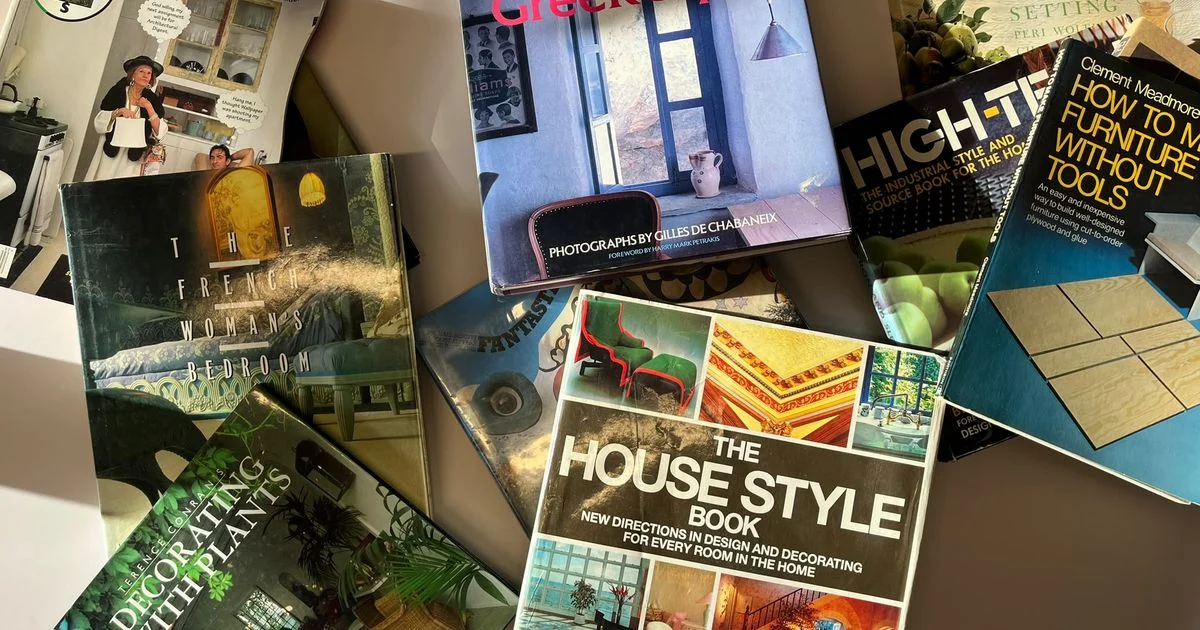
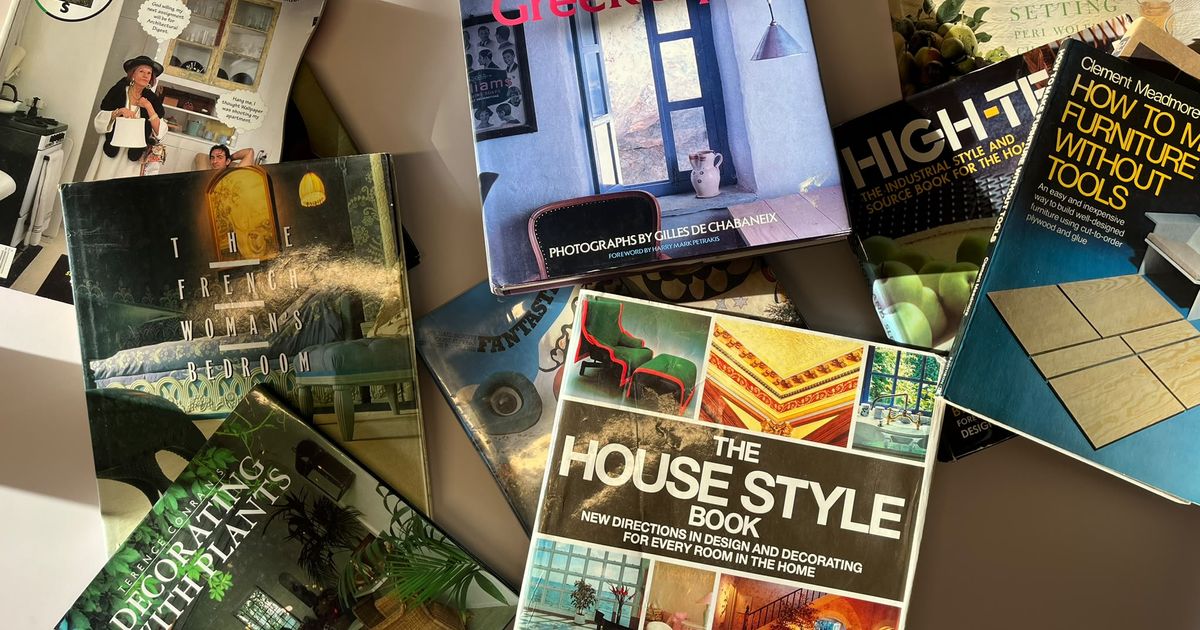
A recurring critique shared by Michon and Snack is the evolution of design publishing over the past several decades. Books like Suzanne Slesin’s legendary 1978 publication High-Tech: The Industrial Style and Source Book for the Home—co-authored with Stan Wagner and Errol Ettstadt—set a gold standard for forensic, practical, and multidimensional design writing. High-Tech did not merely present glossy photographs of finished rooms; it functioned as an exhaustive resource guide, complete with retail sources, shop owner profiles, sidebar histories, and deep dives into raw materials.
Similarly, surveys like Underground Interiors and Jacqueline Kennedy Onassis’s edited volume The Frenchwoman’s Bedroom embraced a voyeuristic, searching-and-sorting approach. These works prioritized the raw subject matter and the eccentricities of real spaces over the polished, heavily branded curation of contemporary interior monographs.
By contrast, modern design publishing has increasingly pivoted toward author-centric branding. Contemporary design books frequently center on the personality, taste level, and curation credentials of the author or interior designer, occasionally sacrificing editorial depth for visual uniformity.
This homogenization extends to interior photography. During Paige Rense’s influential tenure as editor-in-chief of Architectural Digest from 1975 to 2010, interior photography embraced mood and atmosphere—exemplified by a frequent preference for moody nighttime photography and the distinct vision of photographers like Jaime Ardiles-Arce. In comparison, contemporary interior media has frequently gravitated toward a standardized, hyper-optimized, and neutral visual language designed to maximize digital engagement across internet platforms.
Broader Impact and Implications
The "One Week of Very Good Books on Interiors" pop-up functions as both a retail experiment and a cultural critique. By temporarily replacing homogenized retail selections with a diverse, unvarnished archive of print media, the collaboration challenges prevailing assumptions about how design is consumed and valued.
As contemporary culture navigates an era dominated by digital algorithms and visual saturation, the renewed interest in tactile, highly specific print archives—from battered 1980s issues of Ottagono to out-of-print documentation of underground spaces—signals a broader desire for authenticity. Readers and design enthusiasts alike are increasingly seeking out editorial voices that prioritize genuine inquiry, historical context, and idiosyncratic human expression over corporate lifestyle packaging.
The pop-up bookstore, located at Park at Kims in Nolita, concludes its run on Friday, November 13, at 6:00 p.m., leaving behind a clear blueprint for how physical spaces can continue to challenge and revitalize the dissemination of design culture.