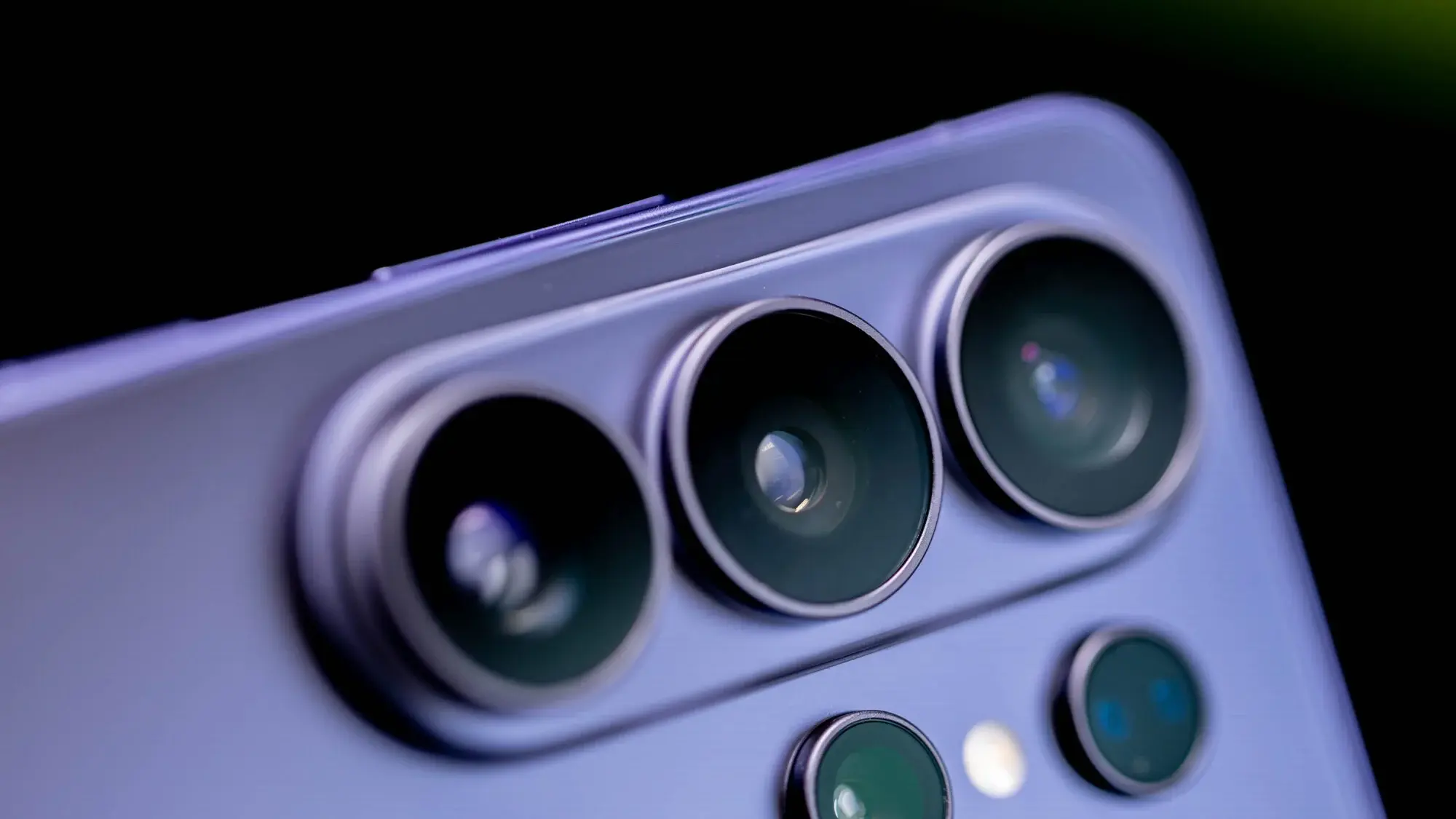
Consumers waiting for the upcoming Samsung Galaxy S27 smartphone lineup before committing to an upgrade may find themselves facing a disappointing reality, particularly if their purchasing decisions hinge on significant mobile photography enhancements. Recent supply chain disclosures and industry intelligence leaks suggest that Samsung’s next-generation flagship strategy will feature a deeply polarized approach to camera hardware, leaving base and plus models virtually untouched while reserving meaningful updates exclusively for higher-tier variants.
The landscape of mobile technology advancement relies heavily on iterative improvements, yet the latest reports from specialized Samsung tracking outlets indicate a stark divergence in the company’s product philosophy. While early industry speculation pointed toward a comprehensive, across-the-board overhaul of the physical camera architecture, more recent and granular disclosures paint a much more restrained picture. For millions of loyal consumers who traditionally upgrade their devices on an annual or biennial cycle, understanding these hardware nuances is critical for mapping out future technology investments.
Dissecting the Hardware: Base and Plus Models Stagnate
According to detailed intelligence published by the Samsung enthusiast publication SammyGuru, users considering an upgrade from the Galaxy S26 generation to either the standard Galaxy S27 or the larger Galaxy S27 Plus will encounter a surprising lack of progress. Hardware specifications for the entry-level and mid-tier devices appear locked into the exact same configuration as their immediate predecessors.
Both the Galaxy S27 and Galaxy S27 Plus are slated to rely on a 50-megapixel primary wide-angle camera. Industry insiders report that Samsung will likely source these sensors from either the Sony IMX955 or the proprietary Samsung S5KGNG line—components that already drive the current generation of devices. Complementing the primary sensor, the ultrawide perspective will reportedly continue to utilize the 12-megapixel Sony IMX564 sensor. Furthermore, the optical zoom capabilities and front-facing hardware remain frozen in time, with the devices retaining a 10-megapixel 3x telephoto lens and a 12-megapixel selfie camera.
For market analysts and tech enthusiasts, this hardware plateau signals a broader industry trend where baseline flagship models are increasingly utilized as stable, cost-effective entry points, while genuine optical innovation is cordoned off for ultra-premium price brackets. Consumers currently utilizing a Galaxy S26 will find very little technical justification to warrant an immediate switch to the S27 or S27 Plus based solely on imaging capabilities.
Glimmers of Innovation: Pro and Ultra Variants Lead the Way
Fortunately, the entire lineup does not face stagnation. The newly designated Galaxy S27 Pro and the top-tier Galaxy S27 Ultra are projected to introduce tangible hardware upgrades, providing a compelling narrative for mobile photography enthusiasts willing to invest in Samsung’s most expensive hardware configurations.
Chief among these enhancements is a brand-new primary sensor. Reports indicate that both the S27 Pro and the S27 Ultra will house an upgraded 200-megapixel main camera driven by the new Samsung S5KHP6 sensor. This represents a direct architectural evolution from the Samsung S5KHP2 sensor found in the preceding Galaxy S26 Ultra. While both sensors share a headline-grabbing 200-megapixel resolution count, the transition to the S5KHP6 hints at improvements in light-gathering capabilities, dynamic range, and computational photography efficiency.
Front-facing camera hardware is also finally receiving long-overdue attention. Samsung is reportedly preparing to transition its flagship selfie shooters from the long-standing 12-megapixel standard to a sharper 16-megapixel front-facing lens on both the Pro and Ultra variants. When combined with specialized focal lengths—such as the S27 Pro retaining its dedicated 3x optical zoom telephoto lens and the S27 Ultra maintaining its powerful 5x optical zoom system—these high-end devices offer a much more diversified toolkit for content creators and mobile imaging professionals.

The Evolution of Mobile Optics: A Chronological Context
To understand the weight of these leaks, one must examine the trajectory of smartphone camera development over the past several product cycles. For nearly a decade, the smartphone industry maintained an aggressive pace of hardware escalation, introducing larger sensors, higher megapixel counts, and increasingly complex multi-lens arrays on an annual basis.
However, the industry has recently entered a period of consolidation. The physical limitations of smartphone chassis thickness, combined with diminishing returns on pure megapixel increases, have shifted the focus of engineering teams toward software optimization, neural processing units (NPUs), and specialized periscope zoom architectures.
Samsung’s strategy with the Galaxy S27 series mirrors a broader commercial reality: component costs, supply chain stabilization, and market segmentation dictate that foundational hardware cannot be completely reinvented every twelve months without driving retail prices beyond consumer tolerance thresholds. By maintaining static hardware on the S27 and S27 Plus, Samsung likely aims to protect profit margins and manage component allocation while pouring research and development capital into the Ultra and Pro tiers to compete directly with rival premium manufacturers.
Industry Implications and Market Strategy
The bifurcation of the Galaxy S27 lineup carries significant implications for the competitive smartphone landscape. As brands like Apple, Google, and various Chinese original equipment manufacturers push the boundaries of computational photography and variable aperture systems, consumer expectations remain exceptionally high.
By keeping the baseline S27 hardware identical to the S26 generation, Samsung risks alienating value-conscious buyers who expect generational progress as a baseline guarantee. On the other hand, this strategy may successfully drive adoption toward the higher-margin Pro and Ultra models, altering the revenue mix of Samsung’s Mobile Experience division.
It is also worth noting that hardware specifications tell only part of the modern imaging story. In recent years, advancements in artificial intelligence, multi-frame processing, and proprietary image signal processors (ISPs) have often yielded more dramatic improvements in photo and video quality than physical sensor swaps. Even without a new sensor on the base models, Samsung’s software engineering teams may introduce algorithmic enhancements that elevate the performance of the existing hardware.
Looking Ahead to the Official Launch
As is standard practice within the consumer electronics industry, these technical details originate from unconfirmed supply chain leaks and insider reports. Samsung has maintained its customary official silence regarding the specifics of its upcoming hardware roadmap.
Historically, the consumer technology giant unveils its primary flagship smartphone generation during dedicated Unpacked events scheduled for the early months of the calendar year, typically falling in January or February. As the anticipated launch window approaches, the volume and precision of these leaks are expected to accelerate, providing further clarity on whether Samsung plans any eleventh-hour adjustments to its production lines.
For now, prospective buyers find themselves at a crossroads. Those heavily invested in mobile photography who prioritize incremental hardware gains will likely need to budget for the S27 Pro or S27 Ultra. Meanwhile, owners of recent hardware iterations—particularly the Galaxy S26 series—may find that skipping the S27 generation entirely is the most prudent financial and technological decision.