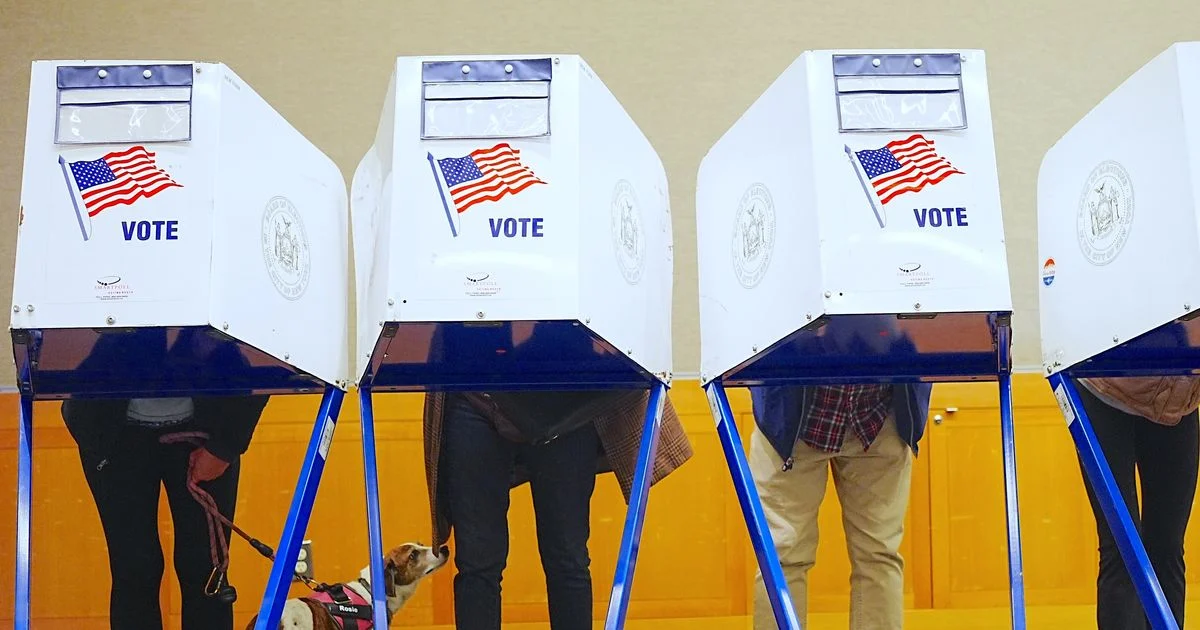
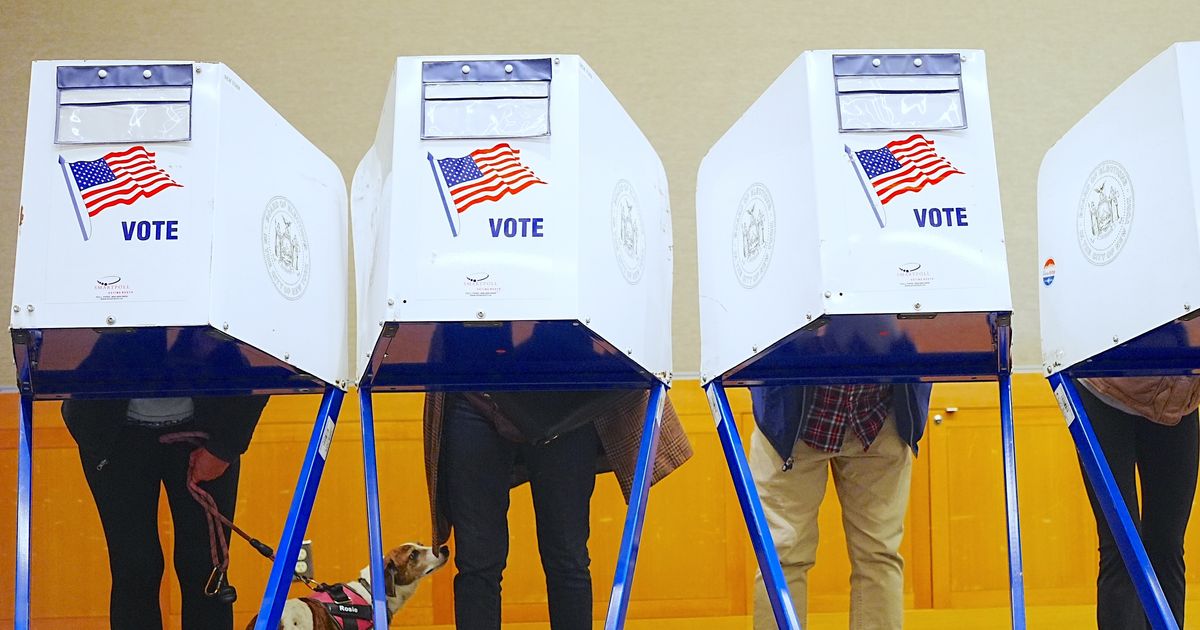
As New York City voters head to the polls for the 2026 midterms, a central focus of this election cycle centers not just on who holds office, but on how efficiently the municipal government operates. One year into Mayor Zohran Mamdani’s administration—which swept into City Hall on a mandate of affordability and administrative reform—residents are being asked to decide on a series of consequential city charter amendments. Known collectively as the Commission on Government Efficiency (COGE) proposals, these ballot measures
aim to streamline stagnant bureaucratic procedures, expedite vital infrastructure projects, and clear persistent backlogs in small business permitting.
However, the path to governmental efficiency is rarely simple. While the package of ballot measures has found broad support among housing advocates, trade organizations, and good-government groups who view them as long-overdue modernizations, they have simultaneously sparked fierce pushback. Community preservationists, local civic associations, and neighborhood watchdogs argue that the rush to modernize relies on stripping away crucial democratic safeguards, curtailing public commentary, and eroding the oversight powers traditionally held by the City Council.
The Origins of the Commission on Government Efficiency and the 2026 Proposals
The genesis of these ballot proposals dates back to early 2026, when Mayor Mamdani established the Commission on Government Efficiency. Tasked with reviewing municipal operations from the ground up, COGE conducted extensive hearings, gathering testimony from everyday citizens, urban planning experts, and municipal workers bogged down by institutional red tape. The commission’s mandate was clear: identify structural bottlenecks that delay construction, frustrate entrepreneurs, and drain taxpayer funds through administrative inertia.
By mid-2026, COGE released a comprehensive blueprint for charter reform. The resulting ballot measures were subsequently structured into five distinct propositions. While Propositions 2 and 5 address fiscal mechanisms—specifically reforming the city’s contracting and procurement processes and recalibrating the targets for New York’s rainy-day fund—Propositions 1, 3, and 4 target the physical and structural fabric of the city. These infrastructure- and development-focused measures represent the core of the administration’s legislative push to fundamentally alter how New York builds, permits, and manages its public spaces.
Breaking Down the Infrastructure and Land-Use Propositions
Proposition 1: Expediting Small Business Permitting and Outdoor Dining
Proposition 1 directly addresses the bureaucratic hurdles faced by the city’s small business sector, arriving on the heels of the City Council’s landmark legislation to codify and revive year-round outdoor dining "streeteries."
Currently, a restaurant attempting to open a sidewalk café or secure permits for accessibility ramps faces an arduous, multi-layered administrative journey. Data compiled by both COGE and New York City Comptroller Brad Lander’s office revealed that more than half of all restaurants participating in the outdoor dining program waited over 19 months for final permits—a delay that drains vital capital from fledgling businesses.
If passed, Proposition 1 aims to compress the permitting timeline from eight months down to two months. The mechanism for achieving this speed involves removing mandatory public hearings and doing away with an antiquated rule requiring businesses to purchase physical newspaper advertisements to announce their intentions. Furthermore, the measure strips the City Council of its authority to veto a business permit once the Department of Transportation (DOT) has formally approved it.
Proposition 3: Fast-Tracking Safe Streets and Municipal Real Estate
Proposition 3 is arguably the most sweeping and contentious measure on the ballot, bundling three separate governance modifications into a single question.
First, the transportation prong targets the sluggish deployment of bike- and bus-lane infrastructure. By eliminating redundant multi-agency reviews and allowing the DOT to initiate construction concurrently with—rather than subsequent to—notifying community boards and local elected officials, the city estimates it can accelerate safe-streets projects by up to 33 percent.
Second, the measure accelerates the timeline for municipal real estate transactions. It enables the city to sell lots smaller than 10,000 square feet and transfer development rights on landmarked properties within 90 days instead of the current seven-month average. Additionally, undevelopable public land could be sold directly to adjacent property owners without requiring a public auction.
Third, the proposal bypasses the City Planning Commission and City Council review processes whenever the city needs to lease office space for municipal employees.
Proposition 4: Centralizing Construction Permits Under the Department of Buildings
Proposition 4 seeks to resolve a persistent complaint among developers, architects, and homeowners: the fragmented nature of the city’s construction permitting system. Currently, applicants must navigate a labyrinth of independent agencies, awaiting uncoordinated responses from multiple departments before breaking ground.
This proposal establishes a centralized permitting hub anchored entirely within the Department of Buildings (DOB). In addition, it transfers the authority over construction and development projects on city-owned waterfront properties from the Department of Small Business Services to the DOB, while expanding the discretionary power of DOB officials to issue final certificates of occupancy.
Divided Reactions: Civic Groups Versus Housing Wonks
The reception to these proposals has laid bare deep ideological fissures within New York City’s civic ecosystem, dividing preservationists, good-government watchdogs, and pro-development organizations.

Local preservationist groups have emerged as the most vocal opponents. Organizations such as the Columbia Street Waterfront District association have categorized the ballot measures as a "coordinated power grab" designed to diminish community voice and concentrate unilateral authority within the executive branch. Similarly, the Municipal Art Society of New York and the New York Landmarks Conservancy have strongly opposed Proposition 3. They argue that bundling three distinct changes into a single ballot question is deceptive and that fast-tracking the sale of public land or development rights on landmarked properties lacks adequate protections for the public interest.
Good-government watchdogs have offered more nuanced critiques. Common Cause raised concerns over Proposition 1, emphasizing that administrative streamlining should never come at the expense of public accountability. "Streamlining administrative processes should not mean removing meaningful opportunities for New Yorkers and their elected representatives to weigh in on decisions affecting public spaces," the organization noted in a policy brief, though it ultimately endorsed Proposition 4 and remained neutral on Proposition 3.
Other municipal watchdogs struck a middle ground. Reinvent Albany backed Propositions 1 through 4 but explicitly clarified that its support for Proposition 3 was strictly anchored to the need for safer streets, criticizing the bundling of unrelated land-use changes into a single question. Citizens Union echoed these procedural concerns, reporting a high volume of voter inquiries regarding whether the administration’s extensive advertising campaign for the measures crossed the line into taxpayer-funded electioneering.
Conversely, the proposals have found enthusiastic backing from economic development advocates and pro-housing organizations. Groups like Open New York and Abundance New York have strongly championed the measures. Annemarie Gray, executive director of Open New York, praised the administration’s approach: "The need to build housing in this city has never been more urgent, and it’s encouraging to see an administration treating that urgency as a management problem it can actually solve." Trade groups, such as the New York City Hospitality Alliance, have similarly mobilized in favor of Proposition 1 to provide immediate regulatory relief to struggling restaurateurs.
The Stance of City Council Leadership
Unlike the intense legislative warfare that defined the clashes between the City Council and the previous mayoral administration over major land-use initiatives, the political fallout surrounding these ballot measures has been comparatively muted.
While individual council members from both sides of the aisle have expressed generalized frustration that the charter revisions undermine legislative oversight, institutional pushback has been restrained. City Council Speaker Julie Menin clarified at a press conference that while council members hold diverse personal views on the ballot questions, the legislative body would not expend public resources on an advertising campaign opposing them. "Individual council members have a variety of different opinions," Menin stated. "Pero certainly, I will not authorize expenditure of council resources on ballot measures. I don’t agree with that."
Implications and Broader Impact
As New York City voters decide the fate of Propositions 1 through 5, the outcome will fundamentally redefine the balance of power between City Hall, municipal agencies, the City Council, and local communities.
If approved, the measures will grant the executive branch unprecedented agility to build bike lanes, permit outdoor dining, approve construction projects, and divest from small municipal land holdings without the traditional friction of bureaucratic delay and localized debate. For proponents, this represents a triumphant evolution toward a modern, functioning metropolis capable of addressing its housing, transportation, and economic crises with speed and resolve. For critics, however, it represents a cautionary tale of democratic erosion—a swift dismantling of transparency and public participation in exchange for administrative convenience. Whatever the ultimate verdict at the ballot box, New York City’s governance landscape is poised for a profound transformation.