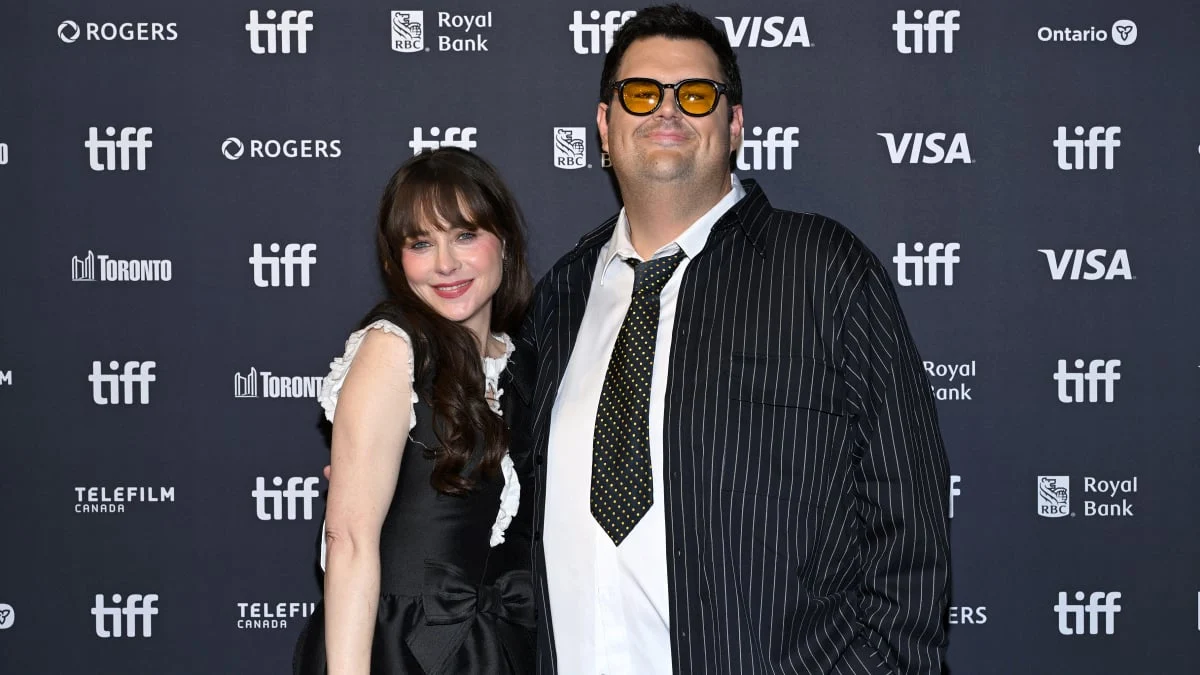
The Toronto International Film Festival has long served as a premier global stage for cinematic innovation, bridging the gap between traditional Hollywood prestige and emerging forms of media. At this year’s festival, the intersection of digital content creation and traditional filmmaking took center stage during a heavily attended industry panel titled For You Feed to Feature Film. Moderated by Jenny Kim, TikTok’s Global Entertainment Partnerships Lead, the discussion featured comedian and writer Caleb Hearon alongside veteran actor and musician Zooey Deschanel. The two creative forces sat down to dissect the evolving landscape of entertainment, offering a masterclass for digital creators aiming to make the formidable leap from social media platforms to feature-length cinematic projects.
The panel provided a candid look at the realities of modern filmmaking, particularly for creators who have built substantial audiences online. Hearon and Deschanel, who star together in the festival-featured film Trash Mountain—which Hearon co-wrote alongside Ruby Caster—brought distinct perspectives shaped by their respective journeys through the entertainment industry. While Deschanel offered foundational encouragement rooted in decades of navigating artistic boundaries, Hearon delivered a pragmatic, unfiltered look at the financial and structural hurdles facing modern digital-first artists.
Main Facts of the Panel and Collaborative Projects
The centerpiece of the discussion at TIFF was the transition from bite-sized digital content to long-form cinematic storytelling. Trash Mountain represents a prime example of this crossover, blending contemporary comedic sensibilities with traditional narrative structures. As digital platforms increasingly incubate talent that Hollywood traditionally sought through traditional theater schools and talent agencies, panels like the one moderated by Kim have become vital barometers of industry change.
During the session, the conversation quickly moved past superficial tips on gaining followers or optimizing video algorithms. Instead, the panelists focused on artistic autonomy, institutional gatekeeping, and the financial precariousness that underpins contemporary content creation. Deschanel emphasized the importance of self-starting ambition, recounting the skepticism she faced early in her music career when industry insiders attempted to box her into her established acting persona. Her philosophy—urging creators to bypass permission-seeking and simply execute their visions—resonated deeply with an audience largely composed of aspiring filmmakers and digital creators.
Hearon expanded upon this theme, focusing heavily on the systemic pressures that young creators face when corporate entities attempt to commodify their online personas. Drawing from his own experiences balancing independent digital work with traditional Hollywood acting gigs—including appearing in four feature films over the course of a single year—Hearon stressed the necessity of establishing firm boundaries early in one’s career.
Chronology and Background of the Digital-to-Film Pipeline
The phenomenon of internet creators transitioning into mainstream cinema is not entirely new, but the velocity and scale of this shift have accelerated dramatically over the past decade. Historically, the pipeline from independent digital distribution to studio-backed features involved years of pitching through traditional agency channels. Platforms like YouTube, Vine, and later TikTok fundamentally democratized audience acquisition, allowing creators to bypass traditional gatekeepers and build dedicated fanbases independently.
In recent years, major film festivals such as TIFF, Sundance, and Tribeca have actively integrated digital-first projects into their official lineups, recognizing that audiences increasingly consume media across blurred boundaries. The inclusion of films like Trash Mountain at TIFF reflects this institutional pivot. However, as Hearon pointed out during the panel, this DIY nature of modern content creation often results in traditional institutions offloading financial risk onto the creators themselves.
Despite completing multiple acting projects in a prior calendar year, Hearon noted that the financial stability required to sustain an artistic career frequently comes from alternative digital revenue streams, specifically ad sponsorships on his podcast, rather than traditional acting residuals or upfront fees. This dichotomy highlights a critical tension in the modern entertainment economy: while creators have unprecedented leverage in building audiences, the financial infrastructure supporting independent art remains deeply fractured.
Supporting Data and Industry Implications
To understand the broader implications of Hearon and Deschanel’s commentary, one must examine the current economic realities of the media and entertainment landscape. According to industry analyses by talent agencies and digital media trade groups, the global creator economy is estimated to be worth over $250 billion, with millions of individuals considering content creation a full-time profession. However, a significant percentage of these creators operate as independent contractors without healthcare, pension contributions, or guaranteed minimum scales—protections long established by guilds such as SAG-AFTRA and the Writers Guild of America.
When creators like Hearon advise newcomers to "get comfortable saying no very early," they are addressing a systemic power imbalance. Media conglomerates and production companies frequently approach digital creators with low-ball offers, leveraging the creator’s existing audience to reduce marketing expenses while simultaneously minimizing creative control and financial compensation. The advice to resist institutional pressure—even when an artist is convinced it represents their only pathway forward—serves as a crucial warning against exploitative industry practices.
Furthermore, the blurring of lines between influencers and professional actors has sparked ongoing debates within traditional Hollywood circles regarding merit, casting practices, and the devaluation of specialized craft. Yet, panels at TIFF demonstrate that studios are increasingly willing to bank on the built-in audiences that digital creators bring to the table. This dynamic creates a double-edged sword: creators gain access to traditional financing and distribution, but they risk being typecast or financially exploited if they lack strong representation and negotiation skills.
Official Responses and Critical Reception
While full transcripts of the TIFF panel are still being processed and compiled by cultural critics on the ground in Toronto, initial reactions from industry insiders and entertainment journalists have been overwhelmingly positive. Critics have praised the refreshing transparency exhibited by both panelists, noting that high-profile actors and creators rarely speak so openly about the financial realities of their professions.
Kristy Puchko, Entertainment Editor at Mashable, who captured key moments of the panel and reviewed Trash Mountain on-site at the festival, highlighted the pragmatic tone of the discussion. In her assessment, the advice provided by Hearon and Deschanel cuts through the romanticized notion of overnight success, replacing it with actionable strategies for survival and creative preservation in a rapidly corporatized digital landscape.
Reviews of Trash Mountain itself have similarly underscored the success of this cross-medium collaboration. By combining Hearon’s sharp, internet-honed comedic timing with a structured narrative framework, the film exemplifies how traditional cinematic storytelling can be successfully revitalized by voices cultivated outside the traditional studio system.
Broader Impact on the Future of Entertainment
The conversation between Caleb Hearon and Zooey Deschanel at the Toronto International Film Festival ultimately serves as a microcosm of a much larger industry transformation. As algorithms continue to dictate cultural trends and traditional studios search for reliable intellectual property with built-in fanbases, the relationship between digital platforms and cinema will only grow more interconnected.
For aspiring filmmakers, the primary takeaway from the For You Feed to Feature Film panel is clear: while the technical barriers to entry have never been lower, the psychological and financial challenges of maintaining artistic integrity have arguably never been higher. Creators are no longer just competing for views on a screen; they are negotiating for ownership of their labor, their intellectual property, and their artistic identities within a multi-billion-dollar global entertainment apparatus.
As more digital creators make the leap to the big screen, the lessons articulated by Hearon and Deschanel—prioritizing autonomy, rejecting exploitative institutional norms, and refusing to wait for traditional permission—will likely form the playbook for a new generation of independent filmmakers. Whether the broader studio system adapts to accommodate these demands or continues to push financial risk onto independent artists remains one of the defining questions of modern media economics.