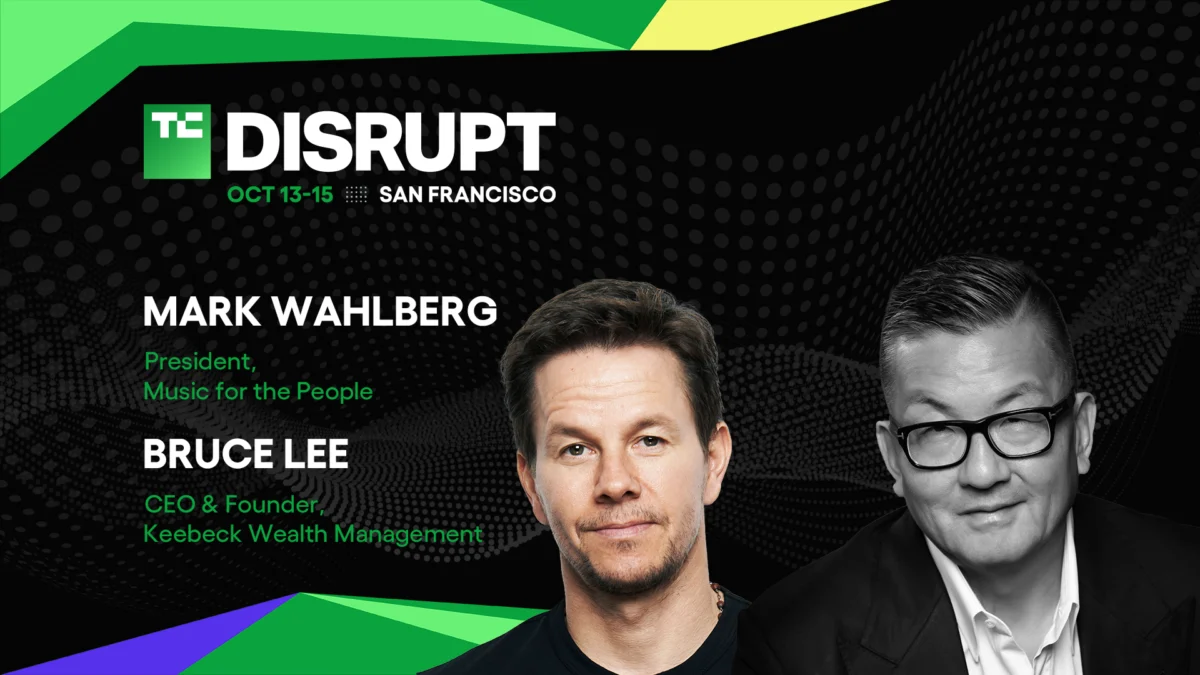
Mark Wahlberg is widely recognized as a titan of the entertainment industry, an A-list actor whose career trajectory has been defined by versatility and longevity. Since his breakout performance in Paul Thomas Anderson’s 1997 cult classic Boogie Nights, Wahlberg has cemented his status as a cinematic powerhouse, earning two Academy Award nominations and a Golden Globe nod for his work in The Fighter. His production credits, including the long-running HBO series Entourage, further illustrate a career built on strategic selection and high-impact storytelling. However, as Wahlberg continues to star in major projects—including his latest thriller, By Any Means, which examines the civil rights movement in 1966 Mississippi—his professional focus is increasingly shifting toward the intricacies of capital allocation, institutional finance, and the burgeoning landscape of health and wellness technology.
This transition from Hollywood luminary to seasoned investor will serve as the focal point for an upcoming fireside chat at TechCrunch Disrupt 2026. Wahlberg will be joined on the main stage by Bruce K. Lee, the founder and CEO of Keebeck Wealth Management. Together, the two are set to pull back the curtain on the mechanics of building an investment portfolio that balances celebrity-driven market intuition with rigorous, institutional-level discipline.
The Evolution of a Business Portfolio
Wahlberg’s professional life has long been characterized by a multi-hyphenate approach. Over the past two decades, he has transitioned from a performer to a multifaceted entrepreneur. His portfolio includes a diverse array of ventures: a production company, the Wahlburgers restaurant chain, various apparel and fitness initiatives, and a series of angel investments. Central to his philanthropic efforts is the Mark Wahlberg Youth Foundation, which has operated for 25 years with a mission to support inner-city youth, providing resources and mentorship to underserved communities.
These ventures underscore a broader trend of high-net-worth individuals leveraging their personal brands to enter the venture capital and private equity spaces. While many celebrities view such investments as passive additions to their portfolios, Wahlberg’s collaboration with Lee represents a shift toward active, structured participation in market-shifting technologies, particularly within the healthcare and wellness sectors.
A Chronology of Strategic Growth
To understand the magnitude of Wahlberg’s move into formal finance, one must look at the timeline of his career progression:

- 1997: The release of Boogie Nights marks Wahlberg’s transition into serious, critical-acclaim acting.
- 2004–2011: Wahlberg produces Entourage, a series that provides him with a deep, firsthand look at the intersection of Hollywood and corporate influence.
- 2001–Present: The Mark Wahlberg Youth Foundation is established, cementing his long-term commitment to social impact and community development.
- 2010s: Wahlberg begins aggressive expansion into non-entertainment verticals, including the launch of his restaurant chain and fitness brands.
- 2026: At TechCrunch Disrupt, Wahlberg will formally address his pivot toward institutional-grade investing, highlighting a multi-year effort to refine his financial philosophy.
Bridging the Gap Between Intuition and Data
The session at TechCrunch Disrupt is designed to provide attendees with an unvarnished look at the transition from "celebrity investor" to a sophisticated participant in the financial ecosystem. A primary topic of discussion will be the "unlearning" process—the act of discarding the instincts that serve an actor in the creative arts to adopt the objective, data-driven mindset required for venture capital success.
"Wahlberg has always relied on an entrepreneurial instinct regarding people, culture, and products," says industry analysts familiar with the event’s programming. "The shift he is currently undergoing, with guidance from experts like Bruce K. Lee, involves tempering those instincts with the cold, hard metrics of risk management and market viability."
The conversation is expected to cover several critical areas of concern for modern investors:
- The Pitfalls of Celebrity Investing: A candid discussion on where high-profile figures often miscalculate their influence, leading to over-exposure in volatile markets.
- Access and Deal Flow: How Wahlberg has utilized the trust and social capital built over a three-decade career to secure positions in highly competitive, high-barrier-to-entry industries.
- Technological Focus: Why Wahlberg is gravitating toward health and wellness, and how he evaluates the long-term scalability of these startups.
The Context of TechCrunch Disrupt 2026
TechCrunch Disrupt 2026, scheduled for October 13–15 at San Francisco’s Moscone West, serves as a nexus for the global startup community. The event attracts over 10,000 attendees, including founders, investors, and policymakers. By featuring speakers like Wahlberg and Lee, the event organizers are highlighting a growing trend in the tech industry: the integration of traditional celebrity influence into the foundational stages of startup growth.
The event features over 200 sessions and brings together more than 250 top-tier industry leaders. The inclusion of the Wahlberg-Lee session signifies the organizers’ desire to bridge the gap between pop culture, finance, and technical innovation. For startups in attendance, the insights provided by these speakers will offer a unique perspective on how to attract capital from non-traditional sources and how to navigate the complex relationship between brand building and bottom-line growth.
Implications for the Startup Ecosystem
The broader implication of this dialogue is the professionalization of the celebrity-as-investor model. As more entertainers and athletes seek to diversify their assets, the mechanisms of these partnerships are becoming more sophisticated. The involvement of firms like Keebeck Wealth Management suggests that high-net-worth individuals are increasingly seeking professional management to ensure their venture bets align with broader macroeconomic trends rather than just personal interest.

This shift may force startups to change how they pitch their businesses to high-profile investors. It is no longer enough to offer a celebrity a seat at the table based on brand visibility; modern founders must now be prepared to demonstrate, with technical and financial rigor, why their startup is a viable, long-term investment.
Attendee Information and Registration
For those looking to gain a firsthand understanding of these developments, TechCrunch Disrupt 2026 provides a platform for direct engagement with industry leaders. The event will offer deep dives into the mechanics of building a company, from initial funding rounds to scaling in a competitive global market.
The urgency to register is high, as standard ticket prices are set to increase on September 25. With the event expected to draw a record crowd, early registration is encouraged for those aiming to network with the 10,000+ industry professionals expected to converge in San Francisco.
Conclusion
The partnership between Mark Wahlberg and Bruce K. Lee serves as a microcosm of the evolving relationship between the entertainment industry and the venture capital sector. By moving beyond the traditional role of the "face" of a company and into the role of a strategic investor, Wahlberg is signaling a new phase of his career—one that is as much about the sustainability of future technology as it is about the stories told on screen.
As the tech landscape continues to change, the insights offered at this year’s TechCrunch Disrupt will be essential for any founder or investor looking to understand the future of capital, the importance of mentorship, and the mechanics of navigating the complex, high-stakes world of venture finance. Whether you are a fan of his cinematic work or an entrepreneur looking to secure funding, the conversation between Wahlberg and Lee promises to be one of the most critical discussions of the year.