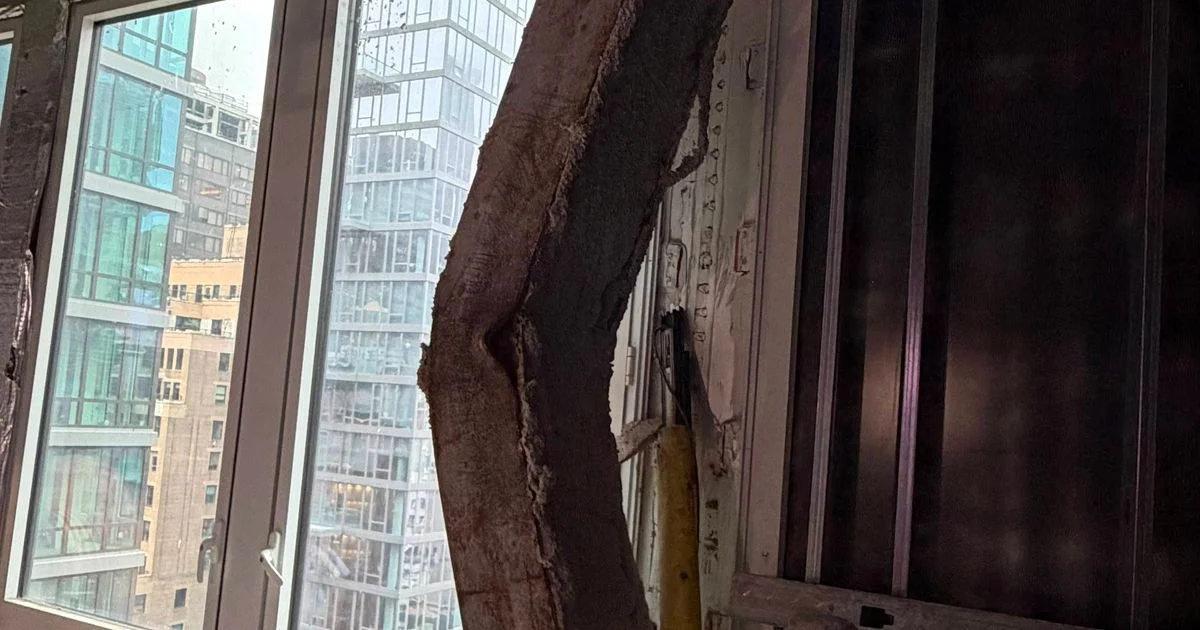
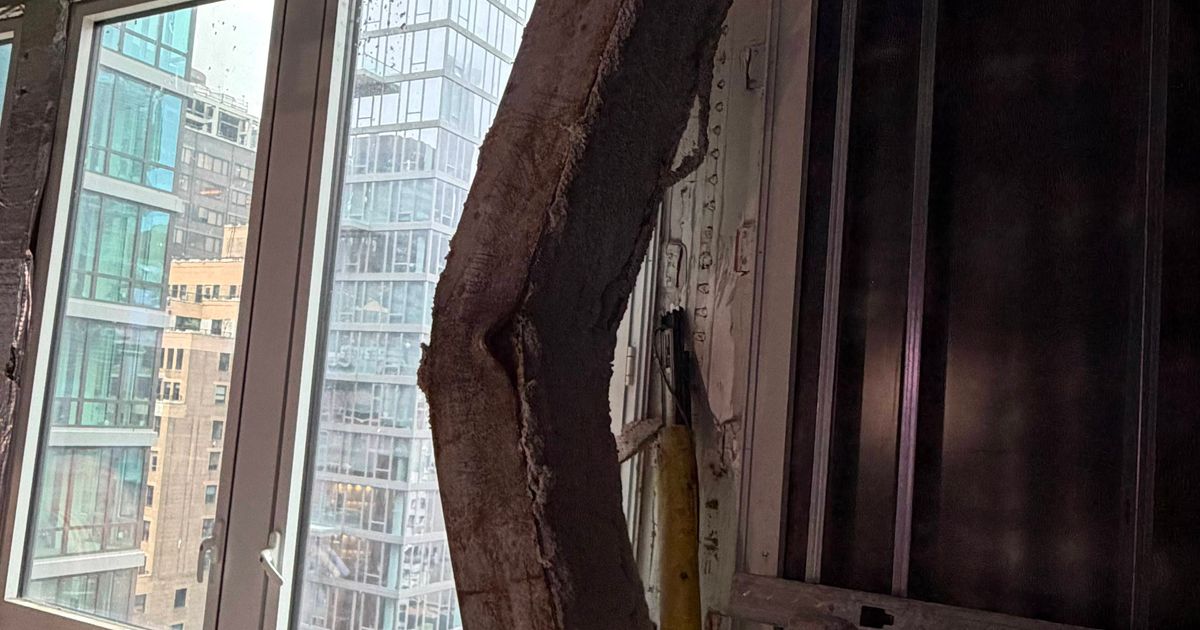
On a humid morning in early July 2026, Sean Dow, a 25-year-old member of the Steamfitters union, arrived at his job site on East 42nd Street to find what would soon become the most scrutinized structural failure in New York City’s recent history. For nearly a year, Dow had been part of a massive crew tasked with the largest office-to-residential conversion in the city’s history: the transformation of the former Pfizer headquarters into a sprawling 1,600-unit apartment complex. As he reached the 22nd floor to inspect fire-protection systems, he noticed hairline fractures spidering across the concrete slab. Below him, on the 21st floor, the situation was more dire. Two vertical steel columns, designed to support the weight of a new 16-story addition, had buckled and cracked like toothpicks under the immense load.
The incident, which forced the evacuation of nine blocks in Midtown Manhattan and sent shockwaves through the real estate industry, has become a symbol of the growing pains and potential perils of the city’s commercial-to-residential gold rush. As developers race to capitalize on post-pandemic vacancies and aggressive government incentives, the Pfizer building "mishap" has exposed deep-seated concerns regarding safety, oversight, and the financial viability of recycling the city’s aging office stock.
The Genesis of the Conversion Boom
The current frenzy of activity can be traced back to the "office apocalypse" that followed the COVID-19 pandemic. By 2023, Manhattan’s office vacancy rates had reached historic highs, hovering between 15 and 20 percent. Major employers shifted toward hybrid work models, leaving millions of square feet of prime real estate empty. This sparked fears of a "doom loop," a theoretical cycle where declining property values lead to lower tax revenues, resulting in reduced city services and a subsequent exodus of residents.
In response, the city government, initially under Mayor Eric Adams and later supported by his successor, Zohran Mamdani, launched the "City of Yes" initiative. This program was designed to cut through the red tape that had historically made office-to-residential conversions prohibitively expensive and legally complex. Key components of the policy included:
- Zoning Relaxations: Expanding the eligibility for conversions to include buildings constructed as recently as 1990.
- Housing Code Flexibility: Allowing for "home offices" and more creative uses of interior space in buildings with deep floorplates that lack traditional window access.
- Tax Abatements: Providing massive rebates—sometimes covering 90 percent of a property’s tax bill for decades—provided that 25 percent of the units are designated as affordable housing.
These incentives were highly effective. According to the city comptroller’s office, more than 40 major office properties have entered the conversion pipeline since 2020. The Pfizer project was the crown jewel of this movement, representing the pinnacle of what private-equity-backed developers could achieve under the new regulatory regime.
A Chronology of the Pfizer Project
The trajectory of the Pfizer building’s transformation illustrates the speed and scale at which the market has moved.
- 2018: An investment group purchases the 1.1 million-square-foot Pfizer headquarters for $357 million. The price reflects the building’s obsolescence as a modern office space but its high potential for residential use.
- 2023: Pfizer completes its relocation to a modern glass tower in Hudson Yards, leaving the East 42nd Street site vacant.
- 2024: MetroLoft, led by developer Nathan Berman, takes the helm of the conversion. Berman, known as the "King of Conversions," brings a track record of successful projects in the Financial District.
- May 2025: MetroLoft secures a record-breaking $720 million construction loan from a real estate private-equity firm, signaling high investor confidence in the conversion thesis.
- Early 2026: Construction reaches a fever pitch. The design, managed by the architectural firm Gensler, involves adding 19 stories to a shorter 100-year-old section and a 16-story addition to the 1960s-era high-rise.
- July 7, 2026: Structural failure is detected on the 21st and 22nd floors. The Department of Buildings (DOB) issues a full stop-work order, and the surrounding Midtown streets are cordoned off for days.
Engineering Failures and Oversight Questions
The structural failure at the Pfizer building was not merely a matter of bad luck; it has raised technical questions about the "load paths" of modern additions. James LaFave, a structural engineering expert at the University of Illinois, noted that vertical columns originally designed to support a roof were suddenly asked to bear the weight of 16 additional stories.
Preliminary investigations suggest two possible causes: a miscalculation in the concentration of weight at a cantilevered weak point, or a failure by contractors to install necessary reinforcements. Reports later surfaced that the engineering plans called for the buckling columns to be reinforced with welded metal plates—plates that appeared to be missing from the site when the columns gave way.
The crisis has also turned a spotlight on the city’s system of "self-certification" and private inspections. The firm hired by MetroLoft to certify the project’s safety had a history of lapses. Investigations by the New York Times revealed that the founder of the inspection firm was a former DOB employee who had resigned decades earlier following allegations of misconduct. This has led to calls for a "massive review" of how the city monitors large-scale renovations, with the Manhattan District Attorney’s office reportedly opening a criminal inquiry into the incident.
Labor Tensions and the Human Cost
The Pfizer building incident has become a flashpoint for the ongoing conflict between organized labor and developers. Construction unions, including the Steamfitters and other locals, have used the failure to argue that the "City of Yes" program encourages "building on the cheap."
Unlike ground-up developments of a certain size, which are often required to pay prevailing wages to receive subsidies, the conversion tax breaks did not initially carry the same mandates. This allowed developers to use a mix of union and non-union labor. Labor activists have staged protests outside the site, holding banners that read "Shame on Metro Loft" and warning potential future tenants to "do their due diligence" regarding the safety of converted buildings.
Sean Dow, hailed by his union as the "Hero of 42nd Street," has become the face of this movement. His quick action in alerting his fellow workers likely prevented a tragedy, but his testimony has also fueled the narrative that the speed of the conversion boom is outstripping the industry’s commitment to safety.

Broader Economic and Policy Implications
Despite the setback at East 42nd Street, the economic pressure to continue conversions remains immense. The city is desperate for housing, and the commercial market is still struggling to find its footing. The comptroller’s report estimates that projects currently in the pipeline will yield more than 15,000 rental units—a significant contribution to the city’s housing stock.
However, the Pfizer failure may change the "math" for lenders. Hiten Samtani, publisher of the industry newsletter The Promote, suggests that if financial institutions pull back due to perceived risks, the era of the "go-go" conversion could come to an end. Developers like Berman rely on a constant flow of capital based on the "thesis" that any floorplate can be converted with enough creativity and cash. If that thesis is undermined by structural instability and legal liabilities, the funding could dry up.
Furthermore, there is an ironic twist to the boom’s success. As millions of square feet of obsolete office space are removed from the market, the remaining office stock has become more valuable. Vacancy rates have begun to stabilize, and leasing activity has picked up in some sectors. If outmoded buildings become viable as offices again, the incentive to undergo the risky and expensive process of residential conversion may diminish.
The Future of the "City of Yes"
In the wake of the failure, the Department of Buildings has launched a sweep of construction sites associated with the Pfizer project’s contractors. Mayor Mamdani has maintained that "streamlining and safety are not in tension," but the political reality is shifting. The "City of Yes" is increasingly being viewed through a lens of caution, with some critics rebranding it the "City of Maybe."
Nathan Berman, for his part, has remained defiant, though he has retreated behind a crisis-management firm. Before his public silence, he emphasized that the project would still provide 400 affordable units and 1,200 market-rate apartments to a "supply-starved city." He characterized the buckling columns as a "typical construction mishap" that should not invalidate the broader effort to save New York’s real estate market.
As the "Leaning Tower of Midtown" undergoes a literal and figurative autopsy, the results will likely dictate the next decade of New York City’s urban development. The cracks in the Pfizer building are more than just failed steel; they are a warning that in the race to solve the city’s housing and commercial crises, the structural integrity of the solution is just as important as the speed of its delivery. For now, the site remains frozen, a quiet monument to the risks inherent in trying to turn a 20th-century office empire into a 21st-century neighborhood.