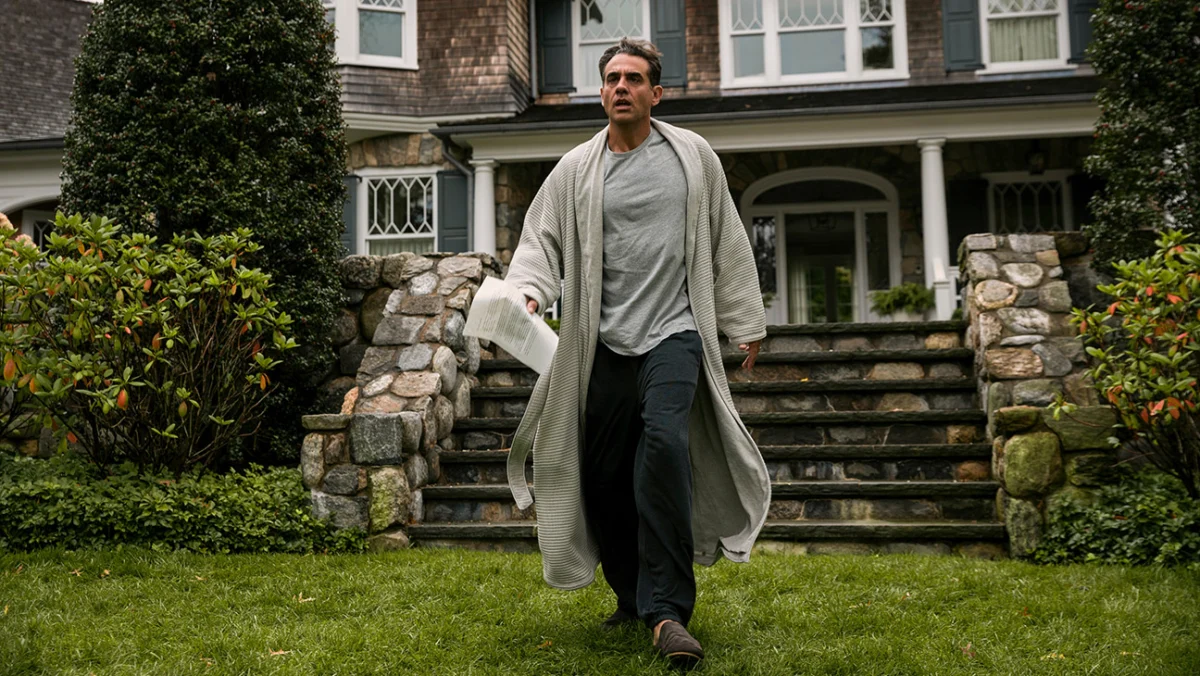
The true crime genre has transcended its origins as a niche fascination to become a cornerstone of contemporary entertainment, fundamentally altering the landscape of streaming television and audience consumption habits. As platforms like Netflix, Hulu, and Max continue to invest heavily in investigative docuseries and scripted dramatizations, the genre has evolved into a cultural juggernaut. Projects such as Monster: The Lizzie Borden Story, The Twisted Tale of Amanda Knox, and The Dropout serve as case studies in how the industry is mining historical and contemporary legal files to produce content that captures global attention. This surge in production is not merely a trend but a reflection of a sophisticated, data-driven strategy aimed at satisfying a persistent public appetite for narratives that intersect justice, morality, and human psychology.

The Statistical Rise of True Crime Consumption
Data regarding viewership trends over the last five years indicates that the appetite for true crime is robust and growing. A pivotal 2022 YouGov poll provided the first broad quantitative insight into this trend, revealing that approximately 50 percent of the American population engages with true crime content. The demographics of this viewership are particularly notable: one in three respondents reported consuming such content at least weekly, while one in four engaged with it multiple times per week.

These figures correlate with the sheer volume of production. In the last three years alone, true crime-adjacent titles have garnered more than 60 Emmy nominations, signaling that the industry is no longer viewing these projects as low-budget filler, but as prestige television capable of attracting top-tier acting and directorial talent. The economic incentive is clear: true crime shows provide a "sticky" audience that remains subscribed to platforms for the duration of a multi-part series, thereby reducing churn rates for streamers.

The Psychology Behind the Obsession
Why does the global audience remain so captivated by stories of violence, betrayal, and judicial proceedings? Experts in the field of behavioral psychology suggest several driving factors. Dr. Jean Kim, a psychiatrist who has analyzed the genre’s impact, notes that viewers often find a unique form of comfort in the narrative structure of these shows. Unlike real life, which is often chaotic and unpredictable, true crime series typically offer a closed loop—a mystery is introduced, investigation ensues, and a resolution is reached. This provides a sense of "moral clarity" that is often absent from the complexities of modern news cycles.

Furthermore, these programs function as a psychological defense mechanism. By watching the worst-case scenarios unfold from the safety of their homes, viewers are reminded of their relative safety. This "vicarious exposure" allows individuals to rehearse their own reactions to danger and become better versed in the intricacies of the criminal justice system. The educational component of these shows—learning about forensic science, legal strategy, and investigative journalism—provides a veneer of intellectual growth to what is, at its core, a form of high-stakes entertainment.

Chronology of a Cultural Shift
The current wave of the genre did not emerge in a vacuum. Its trajectory can be traced through several key milestones that shifted the public’s perception of "reality" television:

- 2014-2015: The Catalyst Period. The launch of the podcast Serial and the release of Netflix’s Making a Murderer fundamentally changed the game. These projects demonstrated that long-form investigative journalism could hold an audience’s attention as effectively as a high-budget drama.
- 2016-2019: The Dramatization Era. Following the success of documentary-style storytelling, streamers began investing in "based on a true story" scripted series, such as The People v. O.J. Simpson, which prioritized character study and period accuracy.
- 2020-2026: The Saturation and Diversification Phase. With the COVID-19 pandemic driving record-breaking streaming numbers, the genre exploded. Platforms began exploring niche sub-genres, including white-collar crime (The Dropout, The Tinder Swindler), historical cold cases (Monster: The Lizzie Borden Story), and institutional corruption (Welcome to Chippendales).
Ethical Implications and Industry Accountability
The rapid growth of the true crime industry has not been without significant criticism. As production companies race to secure the rights to high-profile cases, concerns regarding the exploitation of victims’ trauma have reached a boiling point. The industry is currently facing a reckoning regarding the "ethical production" of these stories.

Advocacy groups and legal scholars have begun to question the impact of these series on active legal cases and the long-term well-being of the families involved. For instance, the dramatization of cases that are still legally contentious—or that involve living individuals who maintain their innocence—has sparked debates about the responsibility of streamers to provide context and ensure that the entertainment value does not come at the cost of objective truth.

Industry insiders note that there is a move toward more "survivor-centered" narratives. This involves hiring consultants who specialize in trauma-informed storytelling and working more closely with those affected by the crimes to ensure that the representation of their lived experience is accurate rather than purely sensationalist.

Market Implications: The Future of the Genre
From a business perspective, the proliferation of true crime content has led to a highly competitive market where streaming services vie for "prestige" status. The strategy for 2027 and beyond is moving away from generic procedural shows toward high-concept, auteur-driven limited series. Networks are no longer just looking for "a crime"; they are looking for the unique social commentary or historical insight that a specific case provides.

For example, the recent success of series like The Dropout suggests that audiences are increasingly interested in the intersection of criminal behavior and corporate culture. By exploring the downfall of Elizabeth Holmes, the series tapped into broader anxieties regarding Silicon Valley, gender dynamics, and the ethics of technological innovation. This shift suggests that the future of the genre lies in its ability to act as a mirror to contemporary societal issues.

Conclusion
The evolution of true crime from tabloid-style reporting to a sophisticated pillar of streaming entertainment reflects a profound shift in how the public consumes history and justice. While the data suggests that the demand for these stories is not waning, the industry is entering a new phase of maturity. The challenge for streaming platforms in the coming years will be to balance the commercial success of the genre with the growing ethical demands of a more informed and critical audience. As long as viewers seek to understand the darker edges of the human experience through the lens of justice and narrative resolution, true crime will remain a defining feature of the modern cultural zeitgeist. Whether this obsession will continue to foster empathy or eventually lead to a fatigue-induced decline remains the subject of ongoing analysis within the entertainment and media research sectors.