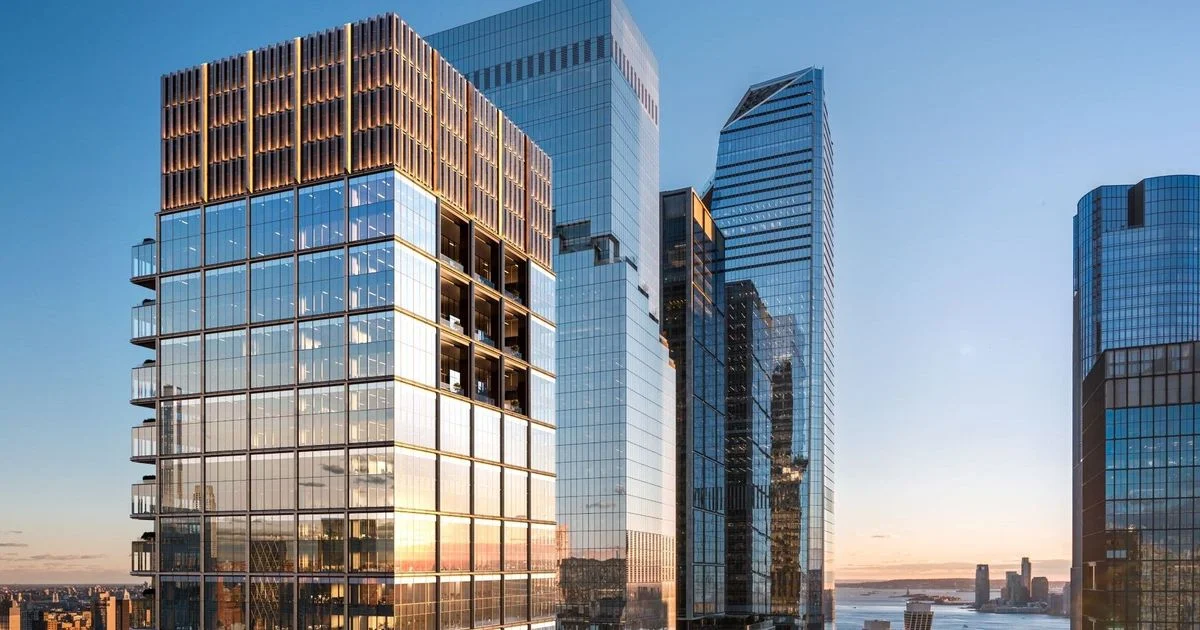
The Manhattan commercial real estate market has staged a dramatic and unexpected recovery, defying catastrophic predictions from the pandemic era and positioning 2026 to be the strongest year for leasing activity since the turn of the millennium. Just a few years ago, the city’s skyline was defined by mounting financial distress, soaring vacancy rates, and widespread declarations that the traditional office was obsolete. Today, prime corridors across Midtown and Downtown are experiencing a fierce resurgence characterized by surging rental rates, scarce inventory, and intense competition among corporate tenants.
According to recent data from commercial brokerage Colliers, Manhattan is on pace to lease nearly 30 million square feet of office space in 2026. While this figure remains slightly below the pre-pandemic historical average of 34 million square feet annually, it represents a remarkable psychological and economic pivot from the depths of the crisis. Availability rates in premier corridors—such as Park Avenue and the World Trade Center—have dropped below 10 percent. In top-tier buildings, average asking rents have climbed by as much as 20 percent since the winter months, with trophy assets commanding rates as high as $250 per square foot.
Background and Chronology of the Crisis
The trajectory of the Manhattan office market over the past six years reads as a volatile economic roller coaster.
In 2020 and 2021, the widespread shift toward remote work triggered an existential crisis for urban commercial real estate. Employers emptied their headquarters, sublease inventory flooded the market, and property values plummeted under the weight of unsustainable debt. By 2021, Manhattan was saddled with approximately 52 million square feet of available office space and a staggering vacancy rate of 22 percent. Commercial brokers reported that the vast majority of client interactions centered on disposing of excess square footage rather than securing new space.
By 2024, however, the market began to stabilize as corporate leaders established firm hybrid and in-office policies. Companies realized that regardless of whether employees worked on-site three days or five days a week, the total physical footprint required to seat personnel remained largely consistent.
The turning point arrived between 2024 and 2025, fueled by robust job growth in key sectors and a massive wave of corporate relocations and expansions. By 2026, New York City achieved a historic milestone by eclipsing San Francisco in total technology employment for the first time, injecting unprecedented momentum into the local commercial property ecosystem.
The Artificial Intelligence Wave and Tech Expansion
A primary catalyst for the current leasing boom is the rapid expansion of the artificial intelligence sector. Venture-backed AI firms and established tech giants have aggressively secured massive blocks of real estate, often mirroring the explosive growth patterns of the late-1990s dot-com era.
Data from CBRE indicates that technology companies accounted for 2.8 million square feet of leased office space in Manhattan during the first three quarters of 2026 alone. Notable transactions highlight this aggressive accumulation of space:
- Anthropic: In July 2026, the AI safety and research company secured all 16 floors of 330 Hudson Street in Hudson Square, effectively doubling its local workforce footprint.
- Harvey AI: In March 2026, the legal AI platform doubled its presence at One Madison in the Flatiron District, expanding from nearly 100,000 square feet to nearly 200,000 square feet.
- Clay: The AI-driven sales platform signed a major lease for 163,000 square feet at SL Green’s 11 Madison Avenue in March 2026.
- Google: Demonstrating long-term commitment to the market, Google renewed its 411,000-square-foot lease at 315 Hudson Street.
Industry experts note that many of these AI startups operate alongside financial and legal services, necessitating a physical presence in Manhattan to remain close to key corporate clients. However, analysts also observe a phenomenon of "space warehousing," where well-funded firms secure expansive real estate in anticipation of rapid future hiring.
Broad-Based Recovery Across Traditional Industries
While technology and AI have generated the most prominent headlines, the broader leasing recovery is fundamentally diversified. Traditional powerhouses—specifically financial services and law firms—have anchored the long-term stabilization of the market.
In June 2026, premier law firm Simpson Thacher & Bartlett signed a landmark lease for 916,000 square feet at Extell Development’s under-construction tower at 570 Fifth Avenue, nearly doubling its previous footprint on Lexington Avenue. Concurrently, American Express broke ground on 2 World Trade Center, taking ownership and occupancy of the final tower in the World Trade Center complex under a ground lease with Larry Silverstein.
This financial sector trend aligns with other massive, build-your-own skyscraper projects, such as JPMorgan Chase’s headquarters at 270 Park Avenue and Citadel’s planned development at 350 Park Avenue.
The Impact of Office-to-Residential Conversions
A critical factor tightening supply and driving up rents is the ongoing wave of adaptive reuse projects across the city. According to Colliers research directed by Frank Wallach, approximately 25 million square feet of older office space is currently targeted for conversion into residential housing across various Manhattan neighborhoods.
These conversions have disproportionately absorbed obsolete inventory in historically strained districts like the Financial District and Third Avenue. By removing obsolete, low-demand stock from the commercial inventory, conversions have successfully lowered overall vacancy rates and elevated baseline rental values. For example, Midtown East—once heavily saturated with available secondary space—now sees roughly a third of its older building stock undergoing residential transformation, pushing prospective tenants further east or into higher-priced modern assets.
Market Polarization and Future Implications
The current environment has created a bifurcated market where premier, newly constructed towers command record-breaking figures, while older prewar buildings require strategic capital improvements to remain competitive.
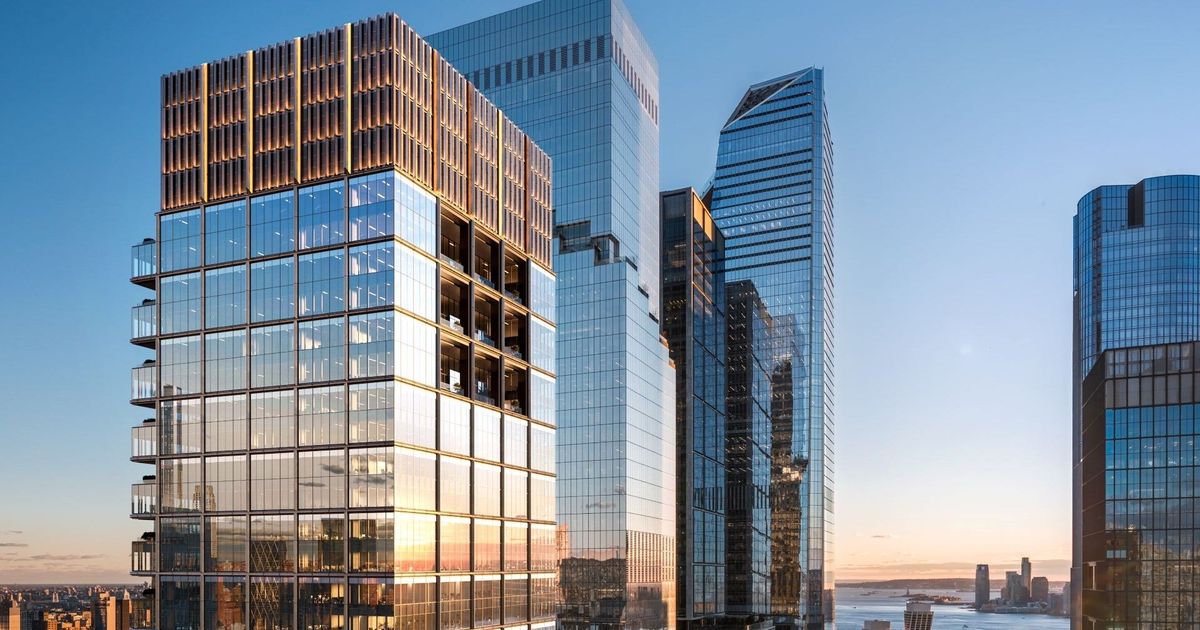
- Trophy Assets: Buildings in Hudson Yards and the World Trade Center complex report occupancy rates hovering near 90 to 97 percent. Asking rents at towers like 1, 4, and 7 World Trade Center have surged past $120 to $130 per square foot—levels previously unseen in the downtown submarket. Hudson Yards maintains the second-lowest availability rate in the city at 4.5 percent alongside the highest overall asking rents.
- Secondary and Prewar Assets: Smaller, non-venture-backed businesses facing priced-out conditions in prime corridors are increasingly turning to older side-street buildings. Landlords of prewar properties who invest in modernized lobbies, upgraded mechanical systems, and localized amenities such as rooftop terraces are successfully capturing demand from tenants seeking immediate move-in readiness at price points under $60 per square foot.
Fact-Based Analysis and Economic Outlook
The rapid transition from an oversupplied, distressed market in 2021 to a competitive landlord’s market in 2026 illustrates the resilience of New York City’s economic core. However, this resurgence carries distinct implications for the local economy.
For corporate tenants, the era of post-pandemic office bargains has officially ended. Companies are being forced to recalibrate real estate budgets as rent escalation outpaces general inflation in core neighborhoods. Conversely, the reduction of vacant commercial space provides municipal tax revenue stability and revitalizes foot traffic for surrounding retail and hospitality ecosystems.
As the city absorbs ongoing adaptive conversions and high-tech corporate expansions, the Manhattan office market has firmly established that physical centralization remains a vital strategic asset for enterprise operations, effectively closing the chapter on predictions of permanent commercial obsolescence.