The rapid expansion of artificial intelligence infrastructure is meeting significant resistance from the American public, as a new report from real estate brokerage Redfin reveals that 53% of U.S. residents now oppose the construction of AI data centers in their own neighborhoods. While the technological boom promises to revolutionize global industry, the physical reality of that growth—massive, industrial-scale facilities that consume vast amounts of power and water—has triggered a "Not In My Backyard" (NIMBY) sentiment that transcends traditional demographic lines. According to the Redfin-commissioned survey conducted by Ipsos in May 2026, which polled 4,000 U.S. residents, only 34% of the population supports the development of these facilities near their homes, highlighting a growing disconnect between the digital economy and local residential preferences.
The survey results underscores a unique level of localized opposition toward data centers compared to other types of development. For instance, while 53% of respondents opposed data centers, only 39% opposed the construction of new apartment complexes, and 32% opposed mixed-use developments. Even the controversial practice of converting single-family homes into smaller, multi-unit dwellings to increase housing supply saw lower opposition at 48%. These figures suggest that Americans perceive data centers as more disruptive to their quality of life than high-density housing or commercial expansion.
The Drivers of Public Opposition: Environment, Noise, and Anxiety
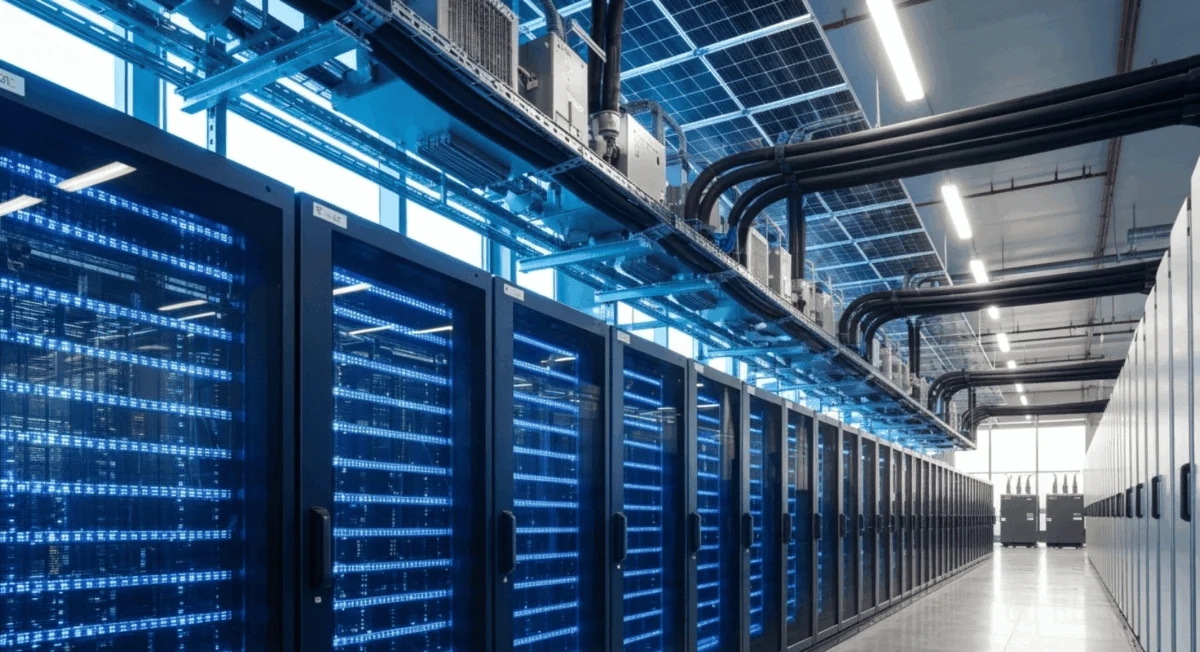
The primary catalysts for this widespread opposition are rooted in both environmental concerns and the physical impact these structures have on the landscape. AI data centers are significantly more resource-intensive than the traditional data storage facilities of the previous decade. The high-performance chips required to train and run large language models generate immense heat, necessitating massive cooling systems that strain local water supplies. Furthermore, the sheer volume of electricity required to power these "AI factories" has begun to impact the stability of regional power grids and, in some cases, has led to increased utility costs for residential consumers.
Beyond the invisible strain on resources, the physical presence of data centers is a source of local friction. Residents frequently cite noise pollution from industrial-scale cooling fans as a primary grievance. Architecturally, these buildings are often characterized as "gray boxes"—enormous, windowless structures that can span hundreds of thousands of square feet, fundamentally altering the aesthetic character of suburban or semi-rural areas. In Northern Virginia, home to the world’s largest concentration of data centers, real estate agents report that prospective buyers are increasingly vetting neighborhoods specifically to avoid proximity to planned data center sites.
Matt Ferris, a Redfin Premier agent in Northern Virginia, noted that the perception of these facilities is increasingly affecting the real estate market. "A buyer recently asked me, unprompted, to make sure there wasn’t a data center planned near a home she was considering," Ferris stated. He shared an account of another client who moved to Gainesville in Prince William County, only to regret the decision a year later upon realizing the density of data centers in the area. According to Ferris, the concerns are multifaceted, ranging from noise and traffic to the fear that industrial buildings will permanently degrade the "feel" of a residential community.
Furthermore, the opposition is fueled by a broader societal anxiety regarding the role of artificial intelligence. The Redfin survey found that 58% of U.S. residents believe advances in AI will eventually eliminate jobs and make it more difficult to afford housing. For many, a data center in their neighborhood serves as a physical monument to a technology they fear will undermine their economic security.
A Generational Divide in Perspectives
The data reveals a stark generational divide in how Americans view the integration of AI infrastructure into their communities. Older generations, who often have more equity tied up in their homes and a greater vested interest in neighborhood stability, are the most vocal opponents. Approximately 65% of Baby Boomers and 60% of Gen Xers oppose the construction of AI data centers in their vicinity.
In contrast, younger Americans appear more ambivalent or perhaps more accustomed to the trade-offs of the digital age. Only 42% of Gen Zers and 43% of Millennials expressed opposition to neighborhood data centers. Analysts suggest this may be due to younger generations’ higher reliance on AI tools in their professional lives or a different set of priorities regarding urban development and technological progress. However, even among these younger cohorts, support for data centers does not reach a majority, indicating that the industry faces a significant public relations challenge across all age groups.
The Northern Virginia Case Study: Tax Windfalls and Public Benefits
While public sentiment remains largely negative, the economic reality for municipalities hosting these facilities presents a more complex picture. Northern Virginia has become the global epicenter of this debate, serving as a real-world laboratory for the fiscal impacts of the AI boom. An analysis of county financial records from 2010 through 2025 shows that Loudoun County and Prince William County—the two largest data center hubs in the state—have experienced a massive surge in tax revenue that has directly benefited public services, particularly education.
In Loudoun County, which hosts 176 data centers (the most of any county in the U.S.), personal property tax revenue per resident has increased by a staggering 639% over the last 15 years. This revenue is largely derived from taxes on the high-value computer equipment housed within the facilities, rather than the real estate itself. Prince William County, ranking third nationally with 77 facilities, saw a 349% increase in personal property tax revenue per resident over the same period.
This "tax windfall" has allowed these counties to outpace their neighbors in education spending. From 2010 to 2025, Prince William County increased education spending per resident by 82%, reaching $1,589. Loudoun County increased its spending by 77%, reaching $2,955 per resident. For comparison, Fairfax County, which has significantly fewer data centers relative to its size, saw a 49% increase in education spending, while Stafford County, with only one operational data center, saw a modest 29% increase.
Education and Teacher Compensation
The influx of data center revenue has had a tangible impact on the quality of public employment in these regions. In Loudoun County, average teacher salaries rose by approximately 40% between 2010 and 2023, reaching an average of $83,000. In Fairfax County, where the data center tax base is less dominant, salaries rose by 29% to approximately $82,000 during the same timeframe.
Local officials have been quick to credit the data center industry for these gains. Official communications from Loudoun County state that revenue growth from these facilities has allowed the county to address the increasing needs of the public school system while simultaneously lowering the real property tax rate for individual homeowners. This creates a unique fiscal paradox: while residents may dislike the physical presence of data centers, they are direct beneficiaries of the tax dollars those facilities generate.
Homeowner Tax Relief and the Real Estate Paradox
One of the most compelling arguments used by proponents of data center development is the impact on residential property taxes. Because data centers provide such a robust stream of personal property tax revenue, local governments can afford to reduce the tax burden on individual homeowners.
Prince William County, for example, reduced its real property tax rate from $1.12 per $100 of assessed value in 2022 to $0.92 in 2025. This reduction has helped keep the estimated residential tax levy relatively flat for residents, even as the cost of government services has risen. Loudoun County followed a similar path, cutting its real property tax rate from 0.89% in 2022 to 0.81% in 2025. However, in Loudoun’s case, surging home values have partially offset these rate cuts, leading to an overall increase in the dollar amount paid by residents over the last decade.
Despite these financial benefits, real estate experts argue that the "quality of life" factor often outweighs "tax relief" in the minds of voters. Redfin’s Matt Ferris noted that residents in affluent Northern Virginia counties are often more concerned with the preservation of their community’s character than with incremental savings on their tax bills. "Residents are more worried about quality of life than a little extra money in county coffers," Ferris observed.
Legislative Responses and Future Implications
The growing tension between industrial necessity and public opposition has reached the halls of state legislatures. In July 2026, New York implemented a statewide ban on the construction of large-scale data centers in certain areas, citing environmental and grid-stability concerns. This move was seen as a major blow to the industry and a victory for local activists.
In Virginia, the approach has been more focused on extraction and regulation. The state recently approved a first-in-the-nation statewide tax on data center power consumption. Unlike the local personal property taxes that fund schools in Loudoun and Prince William, this new power tax flows into the state’s general fund, intended to address broader infrastructure and environmental mitigation needs across the Commonwealth.
As the demand for AI processing power continues to grow, the industry faces a pivotal moment. The current trajectory suggests that data center developers can no longer rely solely on economic arguments regarding tax revenue and school funding to win over local communities. With more than half of the country opposed to neighborhood construction, companies may be forced to invest more heavily in "stealth" architecture, advanced noise-mitigation technologies, and sustainable energy solutions to coexist with residential populations.
The conflict between the digital future and the physical present remains unresolved. While the data centers of Northern Virginia have proven to be a financial boon for public education and a shield against rising property taxes, the social and environmental costs have created a formidable wall of public opposition. As AI continues to integrate into every facet of modern life, the battle over where that technology "lives" is likely to become one of the defining land-use challenges of the late 2020s.