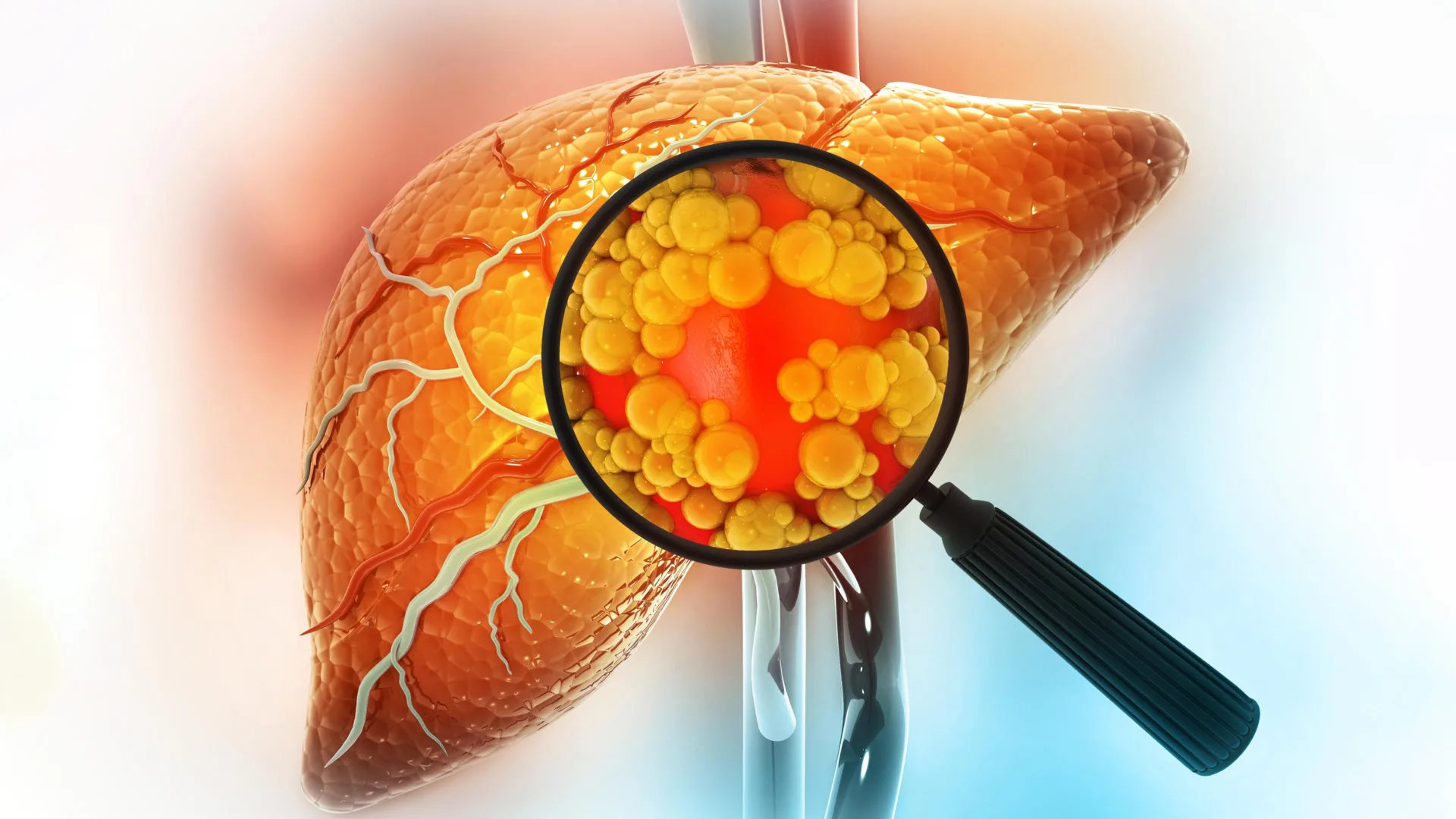
Metabolic dysfunction-associated steatotic liver disease (MASLD), formerly known as non-alcoholic fatty liver disease (NAFLD), has emerged as a silent epidemic of the 21st century. Affecting an estimated 40% of the adult male population worldwide, this condition represents a spectrum of liver disorders ranging from simple steatosis—the accumulation of excess fat in liver cells—to more severe forms involving inflammation, fibrosis, and cirrhosis. Recent clinical research has increasingly focused on the intersection of hormonal health and nutritional habits, specifically investigating how declining testosterone levels and the ubiquitous consumption of fructose act in concert to accelerate liver damage.
A groundbreaking study led by Hiroki Takahashi and Associate Professor Naoki Harada at the Graduate School of Agriculture has provided the first definitive evidence that the interaction between low testosterone and high fructose intake creates a biochemical "perfect storm" that significantly worsens fatty liver disease. By identifying the critical role of the gut microbiome in this process, the research offers a potential paradigm shift in how clinicians approach the prevention and treatment of metabolic liver disorders.
The Global Context of MASLD
The rise of MASLD is inextricably linked to the modern global diet and sedentary lifestyle patterns. As processed foods and sugar-sweetened beverages have become dietary staples, the incidence of metabolic syndrome—a cluster of conditions including obesity, hypertension, and insulin resistance—has surged. In adult males, these metabolic disruptions are often accompanied by a decline in serum testosterone, a trend that has been documented in population health surveys over the last three decades.
Historically, medical science treated low testosterone and poor diet as independent risk factors for liver disease. However, the sheer prevalence of MASLD suggested that these variables were likely interconnected. The medical community has long understood that excess fructose, which is metabolized primarily in the liver, can promote lipogenesis (fat creation). Similarly, androgen deficiency is known to impair lipid metabolism. The recent study published in the American Journal of Physiology-Endocrinology and Metabolism sought to determine whether these factors possess a synergistic effect that exceeds the sum of their individual contributions.
Chronology of the Research Investigation
The investigative team structured their research over several months, employing a rigorous experimental design using eight-week-old male mice to isolate the variables of hormonal status and dietary intake. The study was partitioned into six distinct groups to ensure granular data collection:
- Sham/Control: Mice with normal testosterone levels on a standard diet.
- Sham/Fructose: Mice with normal testosterone levels consuming a high-fructose diet.
- Sham/Fructose + Antibiotics: Normal testosterone mice on a high-fructose diet treated with gut-altering agents.
- Castration/Control: Testosterone-deficient mice on a standard diet.
- Castration/Fructose: Testosterone-deficient mice on a high-fructose diet.
- Castration/Fructose + Antibiotics: Testosterone-deficient mice on a high-fructose diet treated with gut-altering agents.
By analyzing blood plasma, cecum organic acids, liver cell gene activity, and the composition of the gut microbiota, the researchers were able to track the physiological progression of liver damage in real-time. The initial phase of the study focused on establishing a baseline for liver weight and triglyceride levels, while the secondary phase involved deep-tissue analysis to identify the molecular pathways being triggered by the combination of factors.
Biological Mechanisms: The Role of Pyruvate and Gut Microbiota
Perhaps the most significant finding in the study involves the role of the gut-liver axis. The researchers observed that when testosterone levels were depleted, the composition of the gut bacteria shifted in a way that increased the production of pyruvate within the intestine. Pyruvate, a key intermediate in cellular energy metabolism, is typically processed without causing damage. However, in the presence of excess dietary fructose, the researchers discovered that pyruvate acts as a catalyst for lipid accumulation.
Laboratory analysis of primary hepatocytes—the primary functional cells of the liver—demonstrated that when pyruvate and fructose are both elevated, they work synergistically to "hijack" the cells’ metabolic pathways. This leads to a rapid increase in the storage of neutral lipids, essentially overwhelming the liver’s capacity to process fats.
When the researchers introduced antibiotics to the subjects, they observed a reduction in liver weight gain, providing strong circumstantial evidence that the gut microbiota is the primary driver of this metabolic alteration. By modulating the bacterial population, the researchers were able to interrupt the pathway that leads from fructose consumption to fatty liver, even in the absence of normal testosterone levels.
Implications for Clinical Practice
The implications of this research are far-reaching for endocrinologists, gastroenterologists, and primary care physicians. If the findings hold true in human clinical trials, they suggest that testosterone replacement therapy could potentially be a dual-purpose intervention for men struggling with metabolic syndrome and fatty liver. More importantly, the discovery of the pyruvate-fructose pathway points toward potential pharmacological targets.
"Going forward, we hope to clarify the mechanism by which pyruvate promotes triglyceride accumulation to pioneer the development of therapeutic drugs and the establishment of preventive methods through dietary interventions," Professor Harada stated following the publication of the findings.
The research team emphasizes that while their findings are derived from preclinical models, the biological pathways identified are highly conserved across mammalian species. This suggests that the same mechanisms likely contribute to the development of MASLD in human patients. For the millions of men currently managing type 2 diabetes or obesity, this research underscores the urgency of addressing dietary fructose intake—not just as a means to manage weight, but as a direct intervention to protect the liver from the metabolic cascade caused by hormonal decline.
Analysis of Current Public Health Challenges
The link between gut health and liver function is an evolving field of medicine. Experts in the field of hepatology have noted that the "leaky gut" theory, where bacterial byproducts translocate into the portal circulation, is a primary driver of hepatic inflammation. By identifying that low testosterone specifically alters the gut microbiome to facilitate this process, Takahashi and Harada have added a critical piece to the puzzle.
Data from the Centers for Disease Control and Prevention (CDC) and international health organizations indicate that MASLD is a major contributor to the rising rates of liver transplantation worldwide. Because the condition is often asymptomatic in its early stages, it frequently goes undiagnosed until significant liver damage has occurred. If screening protocols for men with low testosterone or metabolic syndrome were to include assessments of liver health and dietary sugar intake, early intervention might be possible.
Future Directions and Conclusion
The scientific community is already looking toward the next phase of this research. While the current study successfully identified the "how" and the "why" of the testosterone-fructose-pyruvate axis, the next step involves longitudinal human studies. Researchers aim to determine if dietary modifications that specifically target gut bacterial composition can mitigate the risk of fatty liver in testosterone-deficient individuals.
Moreover, the research raises questions about the impact of other environmental factors. Could other endocrine disruptors or lifestyle stressors exacerbate this same pathway? The study provides a foundation for a new generation of metabolic research that moves beyond caloric counting and into the complex, interconnected world of hormonal and microbial biology.
As MASLD continues to challenge healthcare systems globally, the move toward personalized, mechanism-based treatments is essential. The work of Takahashi and Harada provides a compelling argument for integrated care. By addressing the triad of hormonal balance, nutritional regulation, and gut health, the medical field may finally be equipped to halt the progression of a disease that has, until now, remained largely misunderstood and undertreated.
For the average patient, the takeaway is clear: the modern diet of high-sugar intake is significantly more dangerous when the body’s hormonal balance is compromised. Whether through dietary interventions, probiotic therapy, or standardized hormonal health monitoring, the path to preventing MASLD is becoming increasingly evidence-based, moving away from simple lifestyle advice toward precise, scientifically backed medical strategies.