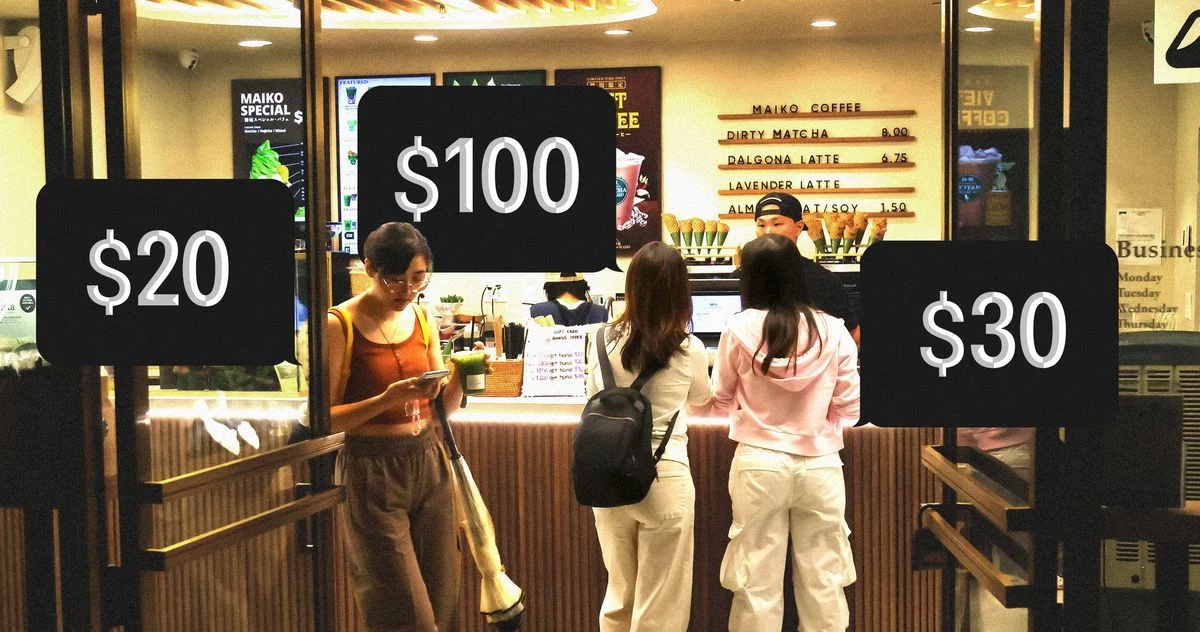
In the high-density retail corridors of New York City, the traditional concept of a childhood allowance is undergoing a radical transformation. For decades, the weekly stipend was viewed primarily as a tool for teaching basic fiscal responsibility—a few dollars earned for household chores, destined for a piggy bank. However, in a metropolis where a single Belgian waffle can cost $3.95 and a boutique bubble tea often exceeds $7.00, the allowance has evolved into something far more complex: a form of social currency essential for navigating the city’s "third spaces."
For ten-year-old Ollie, a resident of Center Slope, the walk home from school is a gauntlet of consumer temptation. On a typical Thursday, his routine involves a stop at a local deli for Gatorade Zero and BBQ potato chips, supplemented by a pack of Hubba Bubba gum—a ritual he describes as an "almost-end-of-the-week prize." When he chooses to visit the Showroom Bakehouse for a $3.95 waffle, he consumes nearly half of his $10 weekly allowance in a single transaction. While the expenditure seems steep for a fifth-grader, Ollie views the purchase as "peak," a sentiment shared by a generation of New York City youth for whom the sidewalk is their living room.
The Economic Reality of the Urban Teen
The financial pressure on New York City parents and their children is significantly higher than the national average. According to 2025 data from Greenlight, a financial services app catering to families, the average annual allowance for a child in New York City is approximately $831, or roughly $16 per week. This stands in stark contrast to the national average of $347 per year.
This disparity is driven by the unique geography of New York. Unlike suburban teenagers who may rely on parents for transportation to a mall or a friend’s house, New York City tweens and teens navigate the city independently via public transit. Their "third spaces"—the social environments outside of home and school—are almost exclusively commercial.
Catie Hogan, a personal finance expert and author, notes that for these children, money is the gatekeeper to social inclusion. "It isn’t just regular currency," Hogan explains. "It’s social currency." In a city where small apartments make hosting large groups of friends difficult, the local Starbucks, pizza parlor, or boba shop becomes the default meeting ground. Without discretionary funds, a student is effectively barred from the primary social rituals of their peer group.
A Spectrum of Spending: From $5 to $200
The definition of a "reasonable" allowance varies wildly across the five boroughs, often dictated by neighborhood norms and parental philosophy. While some parents adhere to the traditional "dollar-per-year-of-age" rule, others have adjusted their payouts to match the astronomical cost of living in Manhattan and Brooklyn.
Interviews with local parents reveal a vast spectrum of financial support:
- The Minimalists: Some families maintain a strict $5 to $10 weekly limit, requiring children to perform extra chores to earn bonuses.
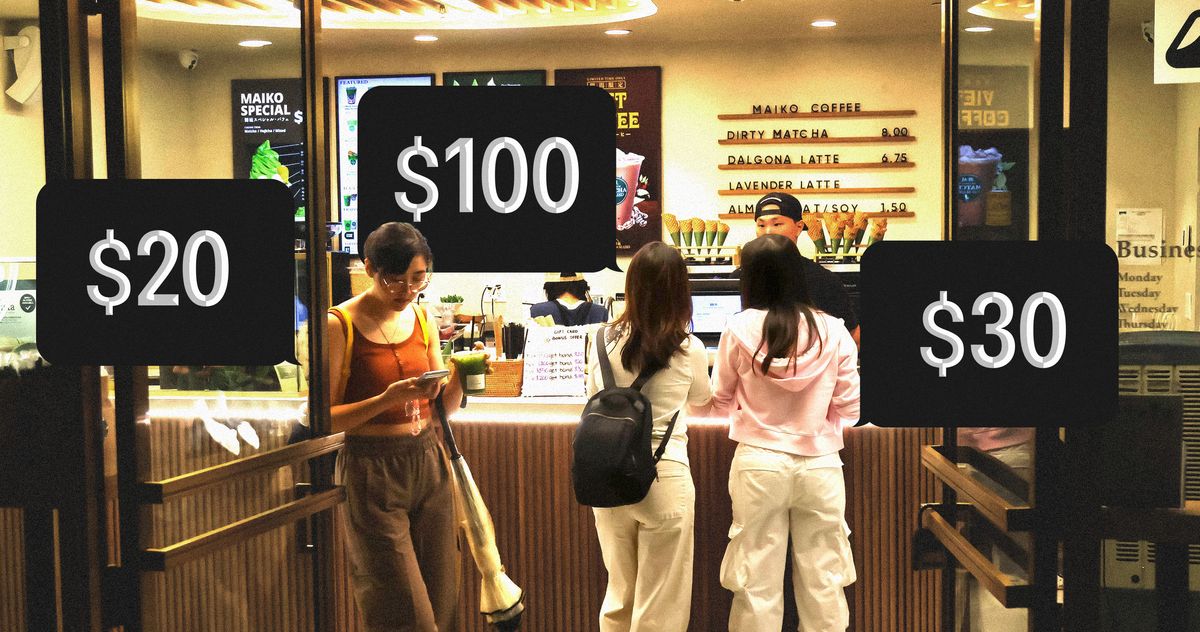
- The "Lunch-Included" Model: Bethany, a mother in Battery Park City, provides her 17-year-old son with $100 per week. The rationale is practical: his school lacks a cafeteria, forcing him to spend approximately $15 a day on external food options ranging from Chick-fil-A to halal carts.
- The High-End Tier: In some private school circles, allowances can reach $200 per week. Jay, a Manhattan father, increased his 16-year-old son’s stipend to this level to help him keep pace with classmates who often have unrestricted access to parental credit cards.
This "allowance inflation" has created a new set of challenges for parents trying to instill the value of a dollar. When a child sees a $100 weekly deposit as "barely enough," the pedagogical goal of the allowance—teaching scarcity and choice—can be undermined.
The Chronology of a Financial Education
The transition from physical cash to digital payment systems like Apple Pay and Greenlight has further complicated the financial lives of NYC youth. The "frictionless" nature of digital spending often leads to budgetary overruns.
Phase 1: The Early Years (Ages 9–11)
At this stage, spending is largely impulsive and snack-oriented. Children like Ollie and Aurora (11) focus on immediate gratification—Dunkin’ Donuts runs or deli hauls. The primary lesson at this age is the "disappearing act" of cash: realizing that a Monday splurge leaves the wallet empty by Wednesday.
Phase 2: The Middle School Shift (Ages 12–14)
As social circles expand, the pressure to treat friends or participate in group outings increases. This is the era of the "Apple Pay overdraft." Parents often report having to provide "emergency" infusions of cash when a child finds themselves stranded without subway fare or lunch money after a weekend of social spending.
Phase 3: The High School Economy (Ages 15–18)
For older teens, the allowance covers everything from movie tickets to manicures and high-end coffee. This is also when some teens begin to experiment with higher-stakes financial moves. One Manhattan teen reportedly withdrew $1,000 from a personal brokerage account—funded by accumulated allowance—to invest in Pokémon cards, viewing them as an appreciating asset, much to his father’s chagrin.
Expert Perspectives: The "Spend, Save, Give" Philosophy
Ron Lieber, a personal finance columnist for the New York Times and author of The Opposite of Spoiled, argues that the specific dollar amount is less important than the conversation surrounding it. Lieber advocates for a tripartite division of funds: "Spend, Save, and Give."
"The right amount is never a number—it’s a concept," Lieber says. The goal is to provide enough money so the child can participate in their culture, but not so much that they are shielded from the consequences of poor choices. He suggests that middle school is the ideal time for "money blunders." It is better for a child to overspend on boba tea at age 13 and learn the feeling of being "broke" than to make similar mistakes with a salary at age 23.
The Impact of Institutional Gaps
The allowance debate is not merely a matter of parental indulgence; it is often a response to institutional failures. Many New York City public and charter schools do not provide traditional cafeteria services, or the options provided are deemed unappealing by students. This forces a "food-away-from-home" economy onto families.
When a student must find their own lunch in midtown Manhattan or downtown Brooklyn, $15 is often the baseline for a nutritious meal. Over a five-day school week, this accounts for $75 before any "social" spending even begins. Parents like Sara, a West Village mother, admit that while a $40 allowance for her 17-year-old son seems excessive, it is entirely consumed by the necessity of eating between school and extracurricular activities.
Parental Baggage and the "Generational Correction"
For many parents, the decision on how much to give is filtered through the lens of their own childhood. Jay, the Manhattan father, grew up in an immigrant family in Queens where the concept of an allowance was non-existent. "There was no such thing," he recalls. His decision to provide a generous allowance is a conscious effort to ensure his son does not feel the same sense of exclusion he experienced as a teenager.
Conversely, some parents worry that by removing the "struggle," they are failing to prepare their children for the realities of the adult workforce. This tension leads to complex rules—such as Bethany’s "Starbucks once a week" mandate—designed to curb "out of control" consumption even when the funds are technically available.
Broader Implications and Future Outlook
The "Boba-nomics" of New York City serves as a bellwether for urban parenting in the 21st century. As the cost of basic goods continues to rise and the "retailization" of childhood increases, the allowance has become a vital piece of infrastructure for a child’s development.
The long-term impact of high-discretionary spending among urban youth remains to be seen. However, there are signs of emerging financial literacy. Jonathan Webb, owner of Showroom Bakehouse, observes that despite their reputation for indulgence, many of his young customers are learning the nuances of the service economy. "They are very good tippers," Webb notes, citing instances where children will leave the change from a $6 payment on a $5.20 item, telling the staff to "keep the rest."
Ultimately, the New York City allowance tussle is a microcosm of the city itself: a high-stakes, high-cost environment where even a ten-year-old must learn to balance the books or face the social consequences of an empty wallet. As long as the city’s streets remain the primary venue for adolescent growth, the price of a boba tea will continue to be a significant line item in the family budget.