
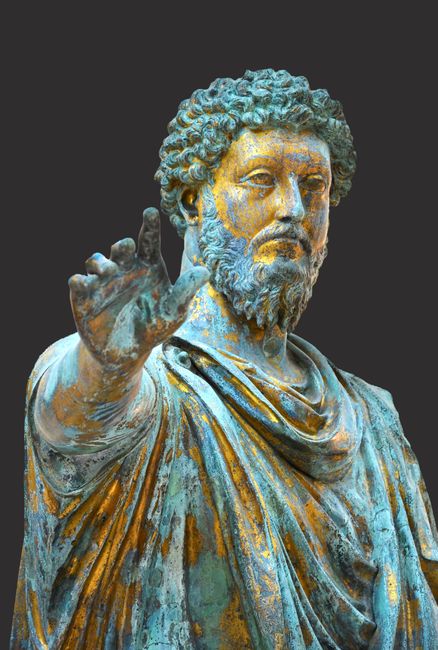
Sambas Bronze Statue of Marcus Aurelius Seized in Cleveland Museum of Art Looting Investigation
The Cleveland Museum of Art (CMA) has found itself at the center of a significant federal investigation into the looting and illicit trafficking of cultural artifacts, following the seizure of a valuable bronze statue believed to depict the Roman Emperor Marcus Aurelius. The artifact, identified as the Sambas Bronze, was reportedly removed from the museum’s collection as part of a broader inquiry into how looted antiquities enter and are displayed in prestigious art institutions. This event raises crucial questions about provenance, due diligence in acquisitions, and the ongoing battle against the illicit antiquities trade. The investigation, led by U.S. Immigration and Customs Enforcement’s Homeland Security Investigations (HSI), signals a determined effort by law enforcement to trace the origins of such artifacts and hold accountable those involved in their illegal removal and trade. The Sambas Bronze, with its estimated value and historical significance, represents a high-profile case that could have far-reaching implications for other museums and collectors.
The Sambas Bronze, dating back to the Roman Empire, is a rare and historically significant artwork. Its seizure is not an isolated incident but rather a component of a larger, ongoing investigation that has reportedly targeted multiple institutions and individuals involved in the antiquities market. Sources close to the investigation suggest that the CMA was unaware of the statue’s questionable provenance when it was acquired or displayed. Museums globally are increasingly under scrutiny for their acquisition practices, particularly concerning artifacts that may have been looted from their countries of origin, often during periods of conflict or colonial rule. The provenance of an artwork refers to its documented history of ownership, which is critical in establishing its legitimacy and ethical acquisition. In cases where provenance is unclear or shows significant gaps, it can raise red flags about the object’s potential illicit origins. The Sambas Bronze case highlights the challenges faced by even well-established institutions in verifying the complex histories of ancient artifacts.
The investigation into the Sambas Bronze is reportedly tied to a wider network involved in the illicit excavation and trafficking of antiquities. These networks often operate across international borders, exploiting archaeological sites and then using sophisticated methods to launder the artifacts into the legitimate art market. The scale of this illicit trade is staggering, with estimates of its global value running into billions of dollars annually. The demand for such artifacts is fueled by wealthy collectors, private institutions, and sometimes even governments seeking to repatriate cultural heritage, albeit through potentially illegal means. The Sambas Bronze, as a tangible piece of Roman history, would have been a coveted item in such a market, making its potential illicit journey a subject of intense scrutiny. HSI’s involvement underscores the seriousness of the allegations and the commitment of U.S. authorities to combating this form of transnational crime.
The Cleveland Museum of Art, in its response to the investigation, has stated its commitment to cooperating fully with law enforcement. This cooperation is crucial for the successful resolution of such cases and for reinforcing the museum’s credibility. Museums are expected to uphold the highest ethical standards, including meticulous due diligence in acquiring and displaying artworks. This involves thoroughly researching an artifact’s history, including where and when it was discovered, who owned it, and how it passed through various collections. The absence of a clear and unbroken provenance can be a significant indicator of potential illicit activity. The CMA’s statement of cooperation suggests a proactive approach to addressing the issue and a desire to rectify any potential missteps in its acquisition or oversight processes.
The implications of the Sambas Bronze seizure extend beyond the CMA. It serves as a stark reminder to all cultural institutions about the vulnerabilities within the art market. The international nature of artifact trafficking means that even artifacts that have been in reputable collections for decades can be subject to scrutiny if new evidence emerges about their initial removal. The case highlights the importance of ongoing provenance research and the need for robust internal controls and ethical guidelines. Museums are increasingly relying on specialized provenance researchers and are adopting stricter acquisition policies to mitigate the risk of unknowingly acquiring looted objects. The pressure to expand collections and the desire for significant historical pieces can sometimes, inadvertently or otherwise, lead institutions down a path of acquiring items with murky pasts.
The Sambas Bronze itself is a significant object of artistic and historical merit. Bronze sculptures from the Roman period, especially those in such a relatively complete state, are exceedingly rare. The quality of craftsmanship and the subject matter – an emperor who was also a Stoic philosopher – would make it highly desirable. The investigation will likely involve detailed examination of the statue’s physical characteristics, any inscriptions or marks, and its known historical trajectory. Experts will be called upon to authenticate its origins and to provide context for its potential illicit journey. The value of such an object, both historically and monetarily, makes it a prime target for those involved in the illegal antiquities trade, who often operate with considerable financial resources and networks.
U.S. Immigration and Customs Enforcement’s Homeland Security Investigations (HSI) has a dedicated unit focused on combating the illicit trafficking of cultural property. This unit works internationally with law enforcement agencies, customs authorities, and cultural heritage organizations to recover stolen and looted artifacts. Their investigations often involve complex financial tracing and cross-border operations. The seizure of the Sambas Bronze is a testament to HSI’s capabilities and its commitment to protecting cultural heritage. The agency has been instrumental in recovering countless artifacts and bringing traffickers to justice. Their work in cases like this not only seeks to recover the specific object but also aims to disrupt the broader criminal networks that profit from the destruction and exploitation of cultural heritage.
The legal framework surrounding the repatriation of cultural property is complex, involving international conventions such as the 1970 UNESCO Convention on the Means of Prohibiting and Preventing the Illicit Import, Export and Transfer of Ownership of Cultural Property, and national laws. These laws aim to prevent the illicit trade of antiquities and to facilitate their return to their countries of origin. The Sambas Bronze investigation will likely examine whether the statue was illegally exported from its country of origin and subsequently smuggled into the United States. The United States, as a major market for art and antiquities, plays a crucial role in enforcing these international agreements. The CMA’s role in the investigation will be critical in understanding how the statue entered its collection and whether appropriate due diligence was exercised at the time of acquisition.
The Sambas Bronze case has generated considerable attention within the art world and among cultural heritage advocates. It underscores the ongoing debate about the ethical responsibilities of museums and collectors in the face of widespread looting and trafficking of cultural artifacts. The debate often centers on the concept of "restitution," which refers to the return of cultural property to its country of origin. While some argue that artifacts in Western museums represent a universal heritage, others contend that they are often the spoils of colonialism or illicit trade and should be returned to their rightful owners. The Sambas Bronze, depending on its origin and how it left that origin, could become a focal point in these discussions.
The broader context of the antiquities market is one of increasing sophistication and risk. Auction houses, dealers, private collectors, and museums are all part of this ecosystem, and each has a responsibility to ensure ethical practices. The internet has also played a role in the illicit antiquities trade, with illicit items sometimes being offered for sale online. This digital dimension makes tracing and interception even more challenging. The Sambas Bronze investigation will likely delve into the various transactions and intermediaries that may have been involved in its movement.
For the Cleveland Museum of Art, this investigation presents an opportunity to demonstrate transparency and a commitment to ethical practices. The museum’s response will be closely watched by other institutions, as well as by the public and by international bodies concerned with cultural heritage. The ultimate outcome of the investigation, including any potential charges or the disposition of the Sambas Bronze, will set a precedent for future cases. The focus on provenance and due diligence in art acquisition is only likely to intensify, pushing museums and collectors to be more vigilant and rigorous in their research.
The Sambas Bronze statue of Marcus Aurelius is more than just an artifact; it is a symbol of a much larger issue. Its seizure by federal authorities highlights the persistent challenges in safeguarding cultural heritage from illicit exploitation. The investigation serves as a critical reminder of the responsibility that museums and collectors bear in ensuring that the artworks they hold and display have legitimate origins and have not been obtained through illegal means. The ongoing efforts by law enforcement agencies like HSI, in collaboration with international partners, are essential in the global fight against the illicit antiquities trade, aiming to protect and preserve the world’s shared cultural legacy for future generations. The case of the Sambas Bronze will undoubtedly contribute to the ongoing dialogue and efforts to strengthen protections for cultural heritage worldwide.
