
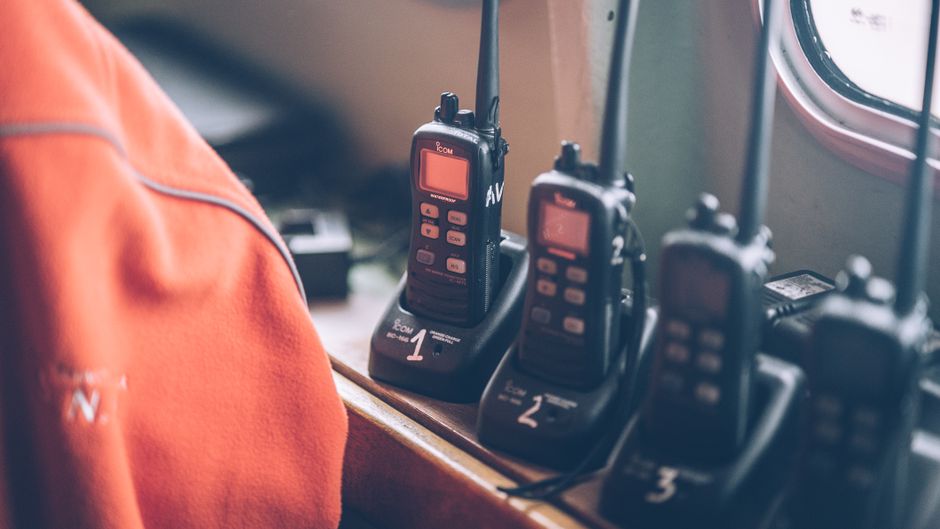
Japan’s Icom: Highly Unlikely Wireless Devices that Exploded in Lebanon Are Our Products
The assertion that "Japan’s Icom: Highly unlikely wireless devices that exploded in Lebanon are our products" warrants rigorous scrutiny, as it presents a significant accusation potentially impacting a globally recognized manufacturer of wireless communication equipment. This article will delve into the ramifications of such a claim, examining Icom’s established reputation, the technical plausibility of their devices being implicated in explosions, and the typical investigative processes surrounding such catastrophic events. Furthermore, we will explore the challenges in definitively linking specific wireless devices to explosions, the importance of independent verification, and the potential motives behind such a grave and unsubstantiated accusation.
Icom, a Japanese company founded in 1954, has built a formidable reputation for designing and manufacturing high-quality, reliable radio communication systems. Their product lines span a wide array of applications, including amateur radio, professional land mobile radio (LMR), marine radio, avionics, and satellite communication. Renowned for their durability, sophisticated features, and adherence to stringent quality control standards, Icom products are trusted by professionals and enthusiasts worldwide, from emergency responders to pilots and maritime operators. The company’s commitment to innovation and engineering excellence is reflected in their long history of technological advancements and their consistent presence in critical communication infrastructure. The notion that devices from such a reputable manufacturer would spontaneously explode, particularly in a manner that could cause widespread destruction, directly contradicts their established track record and the engineering principles embedded in their designs.
The technical feasibility of Icom wireless devices, or indeed most modern wireless communication devices, exploding is a crucial point of investigation. Wireless devices operate on low-power radio frequencies and typically utilize batteries for power. Explosions of the magnitude suggested in the claim are generally associated with uncontrolled chemical reactions, the detonation of explosive materials, or significant over-pressurization within a contained system. While battery malfunctions can, in rare instances, lead to thermal runaway and ignition, this typically results in localized damage and smoke rather than a widespread explosive event capable of causing the destruction observed in incidents like the Beirut port explosion. The energy contained within typical wireless device batteries is orders of magnitude lower than that required to generate the blast waves and seismic impacts associated with large-scale explosions. Furthermore, the components within an Icom device, such as transistors, capacitors, and circuit boards, are not inherently explosive. Their failure modes, while potentially leading to device malfunction or overheating, do not inherently possess the energetic potential for detonation.
Investigating explosions, particularly those with catastrophic consequences, is a complex and multi-faceted process typically undertaken by specialized agencies. These investigations involve forensic analysis of the blast site, examination of recovered debris, and expert evaluation of potential ignition sources and causative agents. In the case of explosions involving electronic devices, investigators would meticulously analyze the remnants of the devices to identify any anomalies, signs of tampering, or manufacturing defects that could have contributed to the event. This would involve detailed metallurgical analysis, chemical residue testing, and examination of the device’s internal circuitry. The involvement of Icom devices would only be substantiated if concrete, irrefutable evidence directly linked their specific components or manufacturing processes to the explosive event. Such evidence would likely emerge from thorough forensic examinations conducted by independent and credentialed experts.
The challenge in definitively linking specific wireless devices to explosions lies in the often-complex chain of events that can lead to such incidents. For a wireless device to be a direct cause of an explosion, it would need to either contain or have come into contact with a highly volatile or explosive substance, or have undergone a catastrophic internal failure that somehow generated explosive force. The presence of a wireless device at the scene of an explosion does not automatically render it the cause. The Beirut port explosion, for example, was definitively attributed to the detonation of a massive quantity of ammonium nitrate stored unsafely. While other materials and potential ignition sources may have been present, the primary cause was established through extensive investigation and scientific evidence. Attributing such an event to unrelated electronic devices would require a complete re-evaluation of established scientific understanding and forensic methodologies, which is highly improbable without overwhelming contradictory evidence.
Independent verification is paramount when evaluating claims of this nature. Accusations that attribute catastrophic explosions to specific electronic devices, especially those from reputable manufacturers, must be supported by findings from credible, independent investigative bodies. These bodies typically include national and international forensic experts, scientific institutions, and relevant governmental agencies. Unsubstantiated claims disseminated through unofficial channels or without rigorous scientific backing should be treated with extreme skepticism. The potential for misinformation, deliberate fabrication, or misinterpretation of evidence in high-profile events is significant, and it is crucial to rely on verified reports from authoritative sources. Without independent verification, such claims remain speculative and potentially damaging.
The potential motives behind fabricating such an accusation are varied and could include economic sabotage, geopolitical maneuvering, or the attempt to deflect blame from the true perpetrators of an event. In the context of a major explosion, attributing blame inaccurately can serve to destabilize markets, create international tension, or shield responsible parties from accountability. For a competitor, such a false accusation could be an attempt to tarnish the reputation of a rival company like Icom, leading to a loss of market share and customer trust. For geopolitical actors, sowing discord and distrust among nations or industries can be a strategic objective. Therefore, any claim that lacks rigorous proof and appears to serve a specific agenda should be examined with a critical lens, considering the potential motivations behind its dissemination.
Icom’s internal quality control and product development processes are designed to prevent such failures. The company adheres to international standards for product safety and reliability, and their devices undergo rigorous testing before being released to market. Any anomaly or potential safety concern is typically addressed through product recalls or design modifications. For a widespread and catastrophic failure to occur across multiple devices, it would suggest a systemic issue with manufacturing or design. However, the sheer unlikelihood of Icom’s wireless devices, operating on low power and containing non-explosive components, being the primary cause of a large-scale explosion like those seen in Lebanon necessitates a high burden of proof for any such claim.
The specific context of "highly unlikely wireless devices that exploded in Lebanon" strongly suggests a reference to events such as the devastating Beirut port explosion of August 4, 2020. This incident, which claimed hundreds of lives and caused widespread destruction, was definitively linked to the detonation of approximately 2,750 tons of ammonium nitrate fertilizer. Numerous investigations, both domestic and international, have corroborated this finding. The idea that Icom wireless devices, or indeed any consumer-grade or professional wireless communication devices, were the direct or indirect cause of this massive explosion is scientifically and logically improbable.
The assertion is further challenged by the typical operational characteristics of Icom products. Their wireless devices, whether handheld transceivers, mobile units, or base stations, are designed for robust communication and operate within regulated radio frequency spectrums. They do not inherently store or generate explosive materials. The power sources used in these devices are typically rechargeable batteries or AC adapters, which, while capable of malfunctions under extreme conditions, are not engineered to detonate with the force required to level buildings or cause significant seismic activity. The energy density of typical lithium-ion batteries, for instance, is far too low to produce such an outcome.
Furthermore, the process of identifying the cause of an explosion of such magnitude involves meticulous forensic examination of the blast site and any recovered debris. Experts meticulously analyze chemical residues, structural damage patterns, and the remnants of any potential accelerants or explosive devices. If Icom wireless devices were indeed the cause, there would be irrefutable evidence of their direct involvement, such as fragments containing specific Icom components found at the epicenter, along with a clear mechanism by which they could have initiated or propagated an explosion. The absence of such evidence in established reports concerning major explosions in Lebanon strongly refutes any claim linking Icom products to such events.
The propagation of such an unsubstantiated claim could stem from various sources, including misinformation campaigns, attempts to deflect blame from responsible parties, or even conspiracy theories. In the absence of credible, independently verified evidence, attributing catastrophic explosions to specific electronic devices from reputable manufacturers like Icom constitutes a serious and unfounded accusation. It is essential for all parties to rely on established scientific principles, rigorous forensic investigation, and verified information when discussing events of such gravity. The technical limitations of wireless communication devices in generating explosive forces, coupled with the established causes of major explosions in Lebanon, render the claim highly improbable. The burden of proof for such an extraordinary assertion rests squarely on those making the claim, and to date, no credible evidence has emerged to substantiate it.
The critical nature of Icom’s products in various essential services further underscores the implausibility of their devices being a cause of explosions. Their radios are used by emergency responders, aviation authorities, and maritime organizations, where reliability and safety are paramount. The development and manufacturing processes are subject to stringent regulations and quality assurance protocols to ensure that these devices do not pose a risk to users or the public. Any deviation from these standards would likely result in immediate regulatory action and significant reputational damage, which Icom has successfully avoided throughout its history. Therefore, the notion that their devices would spontaneously explode and cause widespread destruction in Lebanon is fundamentally at odds with their operational ethos and established track record. The scientific principles governing the operation of wireless devices do not support the possibility of them acting as primary explosive agents for events of the scale suggested by the claim. The energy outputs of these devices are carefully controlled and measured, and their components are made from materials that are not inherently explosive.
