
Boeing Union Has Chasm to Cross Amid Worker Strike
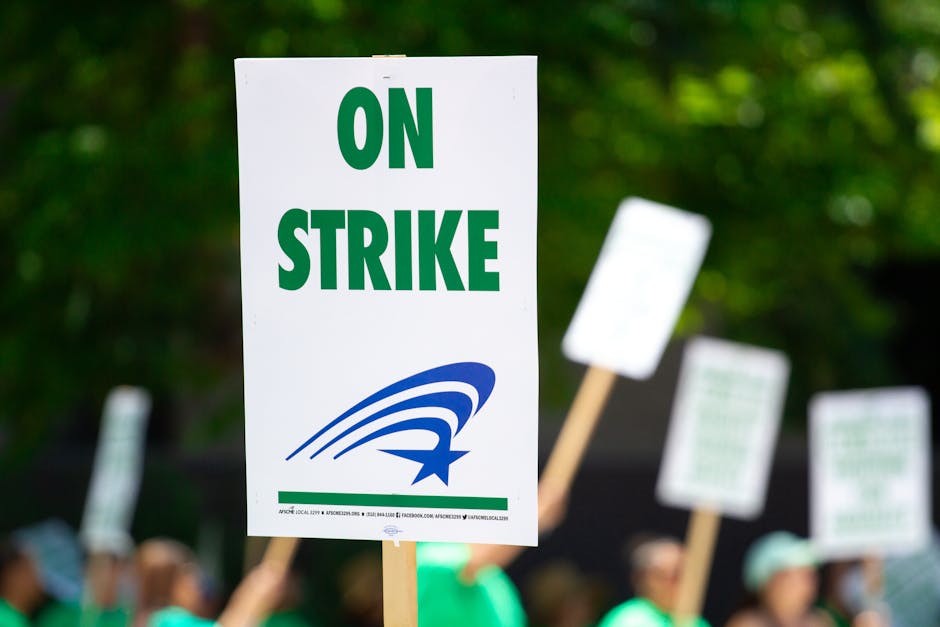
The specter of a crippling strike looms large over Boeing, the aerospace giant, as its largest union, the International Association of Machinists and Aerospace Workers (IAM), prepares to vote on a new contract proposal. The current contract is set to expire on September 16th, and if an agreement isn’t reached, thousands of IAM-represented workers across multiple Boeing facilities could walk off the job. This potential work stoppage is not an isolated incident but a symptom of deeper, systemic issues that have plagued Boeing for years, characterized by a growing chasm between executive decisions and the realities faced by the shop-floor workforce. Understanding this chasm requires a multi-faceted approach, examining historical grievances, current economic pressures, evolving industry demands, and the fundamental differences in priorities between unionized labor and corporate leadership.
Historically, the relationship between Boeing and its unions has been a complex dance, marked by periods of collaboration and protracted conflict. The IAM, with a membership exceeding 30,000 at Boeing, has a long and storied history of fighting for better wages, benefits, and working conditions. Decades ago, Boeing was lauded for its strong union presence, which contributed to a skilled and dedicated workforce that built some of the world’s most iconic aircraft. However, a significant shift began to occur in the early 2000s, accelerated by the company’s decision to move its headquarters from Seattle to Chicago in 2001, a move widely perceived by the union as a deliberate attempt to weaken its bargaining power and escape the influence of its traditional union stronghold. This was followed by the controversial decision in 2011 to build the 787 Dreamliner’s final assembly line in South Carolina, a non-union state, sparking immense resentment and fueling a sense of betrayal within the Washington state workforce. These strategic decisions, driven by perceived cost-saving measures and a desire for greater management flexibility, sowed seeds of distrust that continue to bear fruit today. The union leadership often points to these past actions as evidence that Boeing’s corporate interests do not always align with the long-term well-being of its employees or the communities that have supported its growth.
Currently, the economic landscape presents a formidable challenge for both Boeing and its unionized workforce. The aerospace industry, while recovering from the severe downturn caused by the COVID-19 pandemic, is still navigating volatile supply chains, inflation, and intense global competition. Boeing, in particular, has been under immense pressure to ramp up production of its best-selling aircraft, such as the 737 MAX and the 787 Dreamliner, to meet pent-up demand and regain market share lost to rivals like Airbus. This production ramp-up places significant strain on the existing workforce. Workers are often tasked with longer hours, increased production targets, and navigating the complexities of a recovering supply chain that can lead to disruptions and rework. For the IAM, this translates into a demand for compensation that reflects not only the increased demands placed upon them but also the rising cost of living. Inflation has eroded the purchasing power of wages, and many workers feel that their current compensation is no longer sufficient to maintain a reasonable standard of living, especially in regions with a high cost of living. The union’s bargaining position is therefore bolstered by the very urgency of Boeing’s production needs; the company cannot afford significant disruptions to its manufacturing output.
Moreover, the focus on production ramp-up intersects with the ongoing scrutiny of Boeing’s quality and safety record. High-profile incidents, such as the 737 MAX crashes and the recent Alaska Airlines 737 MAX door plug blowout, have placed an unprecedented spotlight on Boeing’s manufacturing processes and quality control. While these incidents are complex and involve multiple factors, including design, regulatory oversight, and supplier issues, they have also heightened the awareness and concern among the rank-and-file workers. They are the ones on the factory floor directly responsible for assembling these complex machines, and any perceived shortcuts or pressures to prioritize speed over meticulous execution can have grave consequences. The IAM’s contract demands are therefore intertwined with a desire for greater worker autonomy and a stronger voice in quality assurance processes. They argue that empowering experienced machinists and mechanics with more say in production decisions can directly contribute to improving the safety and reliability of Boeing aircraft, ultimately benefiting the company’s reputation and long-term viability.
The specific proposals put forth by the IAM highlight the core of the chasm. While the exact details of the contract proposal are confidential until the ratification vote, publicly reported demands typically center around significant wage increases, improved retirement benefits, enhanced job security, and greater control over outsourcing. For workers who have seen their real wages stagnate in recent years while executive compensation has soared, substantial wage hikes are a non-negotiable priority. The IAM will likely push for a contract that not only keeps pace with inflation but also addresses the years of perceived undercompensation. Similarly, concerns about the future of pensions and the increasing cost of healthcare are paramount. Many older workers remember a time when retirement was more secure, and the union will aim to restore or significantly improve these benefits.
Job security is another critical point of contention. The IAM has historically resisted outsourcing of work that can be performed by its members, particularly when it leads to job losses or transfers to lower-cost regions or non-union facilities. As Boeing seeks to optimize its global supply chain and production footprint, the union will be looking for assurances that its members’ jobs are protected and that any outsourcing is done with careful consideration for the impact on the existing workforce. This also extends to demands for improved working conditions, including addressing fatigue, ensuring adequate staffing levels, and providing sufficient resources and training to perform their jobs safely and effectively.
The chasm is further exacerbated by the divergent priorities between the IAM and Boeing’s executive leadership. While the union prioritizes the well-being and economic security of its members, the company’s primary fiduciary duty is to its shareholders. This fundamental difference in purpose inevitably leads to friction during contract negotiations. Boeing’s management will be focused on managing labor costs to remain competitive, ensuring production flexibility to meet market demand, and ultimately maximizing profitability. They will likely argue that the union’s demands are too costly and could hinder the company’s ability to invest in research and development, new technologies, and future growth. The perception from the union’s side is that while the company talks about its commitment to its workforce, its actions often reveal a greater emphasis on financial metrics and short-term gains.
The vertical research into this situation reveals a pattern of management decisions that have progressively eroded the trust and goodwill between the company and its unionized employees. The reliance on external consultants and data-driven models to make strategic decisions, while ostensibly aimed at efficiency, can often overlook the human element and the invaluable institutional knowledge held by experienced workers. The IAM, therefore, is not just negotiating a contract; they are also seeking to reclaim a sense of respect and recognition for the critical role their members play in Boeing’s success. They are pushing for a contract that not only addresses immediate economic needs but also signals a fundamental shift in how Boeing views and values its core workforce.
The upcoming vote is a pivotal moment. The IAM members will be weighing the proposed contract against the potential gains and risks of a strike. A strike, while disruptive and costly for both sides, can be a powerful leverage tool if the union believes the company is not offering a fair deal. Conversely, a strike could further damage Boeing’s already strained reputation and production schedules, potentially benefiting competitors. The outcome of this vote will be a clear indicator of whether the chasm between Boeing and its unionized workforce can be bridged, or if the divide will widen, leading to prolonged industrial action with far-reaching consequences for the aerospace industry and the global economy. The union’s ability to mobilize its membership and present a united front will be crucial in influencing the negotiation outcome and demonstrating the collective power of the workers who build Boeing’s aircraft. The company’s response, whether it offers concessions or holds firm, will also be a testament to its willingness to engage with its workforce in a way that fosters long-term stability and mutual respect, or if it continues to prioritize a shareholder-centric model that alienates its most valuable asset: its skilled and dedicated employees.
