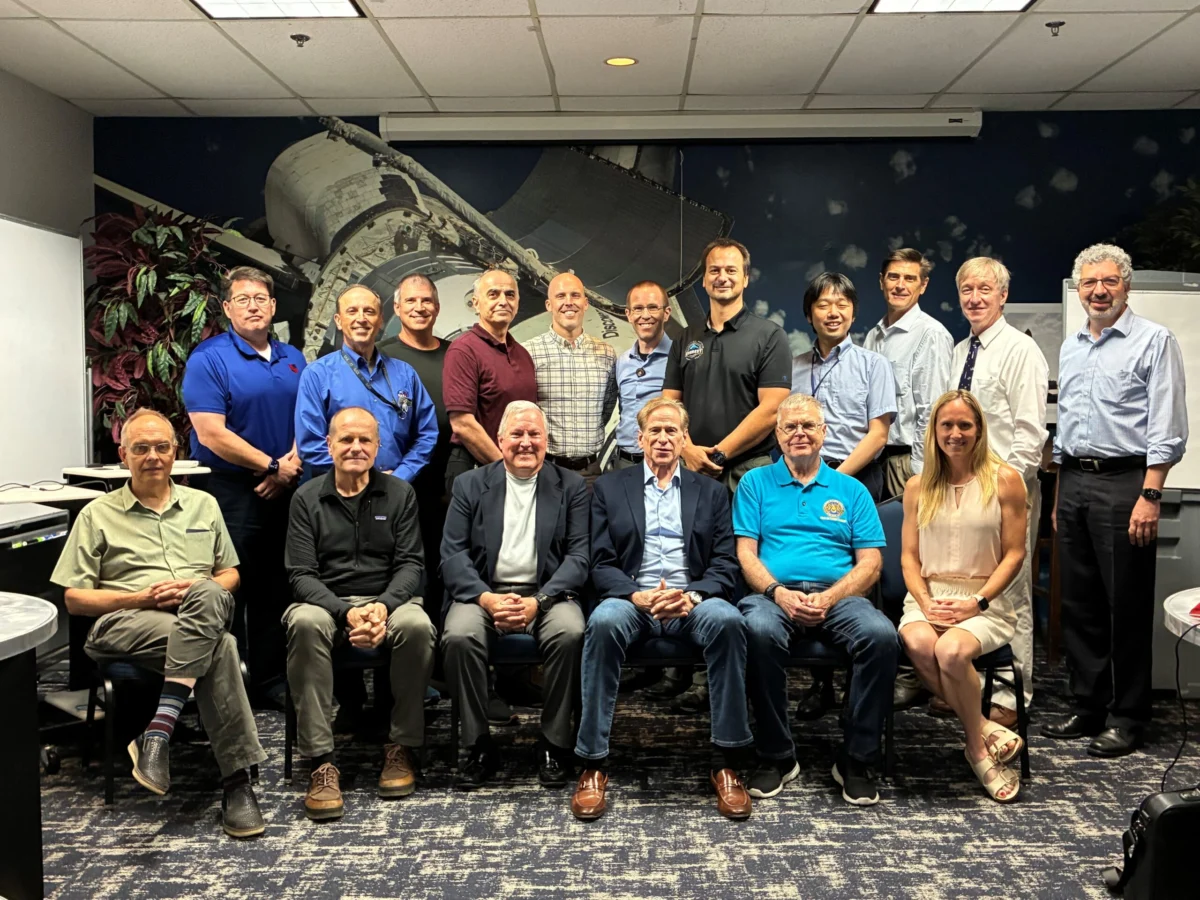
As NASA prepares to return humans to the lunar surface under the Artemis program, the agency is refining its clinical protocols to address the unique physiological challenges of deep-space exploration. On September 22, 2026, Human Systems Standards Integrator Kim Lowe announced the formal recommendations of a specialized working group tasked with assessing the risks of decompression sickness (DCS), venous thromboembolism (VTE), and the clinical implications of patent foramen ovale (PFO) for astronauts operating in the lunar environment. These findings represent a critical evolution in human spaceflight safety, synthesizing years of ground-based testing and orbital medical data to ensure that crews can perform high-stakes lunar extravehicular activities (EVAs) with minimized medical risk.
The Challenge of Decompression in the Artemis Era
The fundamental challenge of spaceflight medicine remains the transition between the pressurized environment of a spacecraft or habitat and the vacuum of space. When astronauts conduct EVAs, they must move from the higher-pressure environment of their vehicle to the lower-pressure environment of their spacesuits. This rapid change in ambient pressure carries the risk of decompression sickness—a condition where dissolved nitrogen forms bubbles in the blood or tissues, similar to the "bends" experienced by terrestrial divers.
For the Artemis missions, these risks are compounded by the duration of the missions, the harsh lunar radiation environment, and the physiological effects of microgravity on the cardiovascular system. Unlike missions in low-Earth orbit (LEO), where medical evacuation to Earth is theoretically possible within hours, lunar missions demand a higher degree of self-sufficiency. The working group’s primary objective was to integrate findings from recent assessments to update NASA-STD-3001, the agency’s foundational document for human health, habitability, and environmental performance.
Chronology of Medical Assessments and Risk Mitigation
The recommendations released in September 2026 are not isolated decisions but the culmination of a rigorous multi-year investigative timeline. The scientific foundation for these standards was laid in stages:
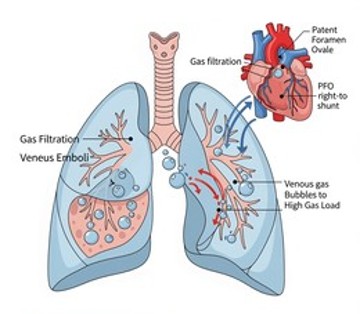
- August 2024: NASA published the Assessment of Patent Foramen Ovale (PFO) as Related to Decompression Sickness (DCS) in the Spaceflight Environment (NASA/SP-20240010473). This report focused on the structural anomaly known as PFO—a small opening between the left and right atria of the heart—which may allow nitrogen bubbles to bypass the pulmonary filter, increasing the risk of neurological DCS.
- April 2026: The NASA Risk of Venous Thromboembolism in Spaceflight Working Group released a comprehensive update (NASA/SP-20260005258/REV1). This assessment scrutinized the risk of blood clots in space, a concern exacerbated by the prolonged periods of confinement and physical inactivity inherent in long-duration missions.
- September 2026: The findings from these individual reports were synthesized into the current set of recommendations, focusing specifically on the interface between PFO, VTE, and the rigorous prebreathe protocols required before entering a spacesuit for a lunar sortie.
Supporting Data and Physiological Factors
The integration of these findings into the updated NASA-STD-3001 Volume 2, Revision F, reflects a data-driven approach to medical risk. The working group analyzed historical flight data, simulated lunar gravity trials, and ground-based hyperbaric testing to establish safer thresholds for EVA preparation.
Central to the discussion is the role of PFO. While a significant portion of the general population has a PFO, it is often asymptomatic on Earth. In the context of spaceflight, however, the presence of bubbles in the venous circulation—a common occurrence during decompression—could lead to paradoxical embolism if the bubbles pass through a PFO into the arterial circulation. The new standards prioritize enhanced screening protocols for mission-critical crew members, with a specific focus on identifying individuals who may require intervention, such as PFO closure, to mitigate long-term health risks.
Furthermore, the risk of VTE represents a growing concern as NASA transitions from short-term shuttle-era missions to the extended durations of the Artemis lunar base. The 2026 working group highlighted that the combination of cardiovascular deconditioning and localized blood stasis in reduced-gravity environments necessitates more aggressive screening for hypercoagulable states prior to launch.
Official Perspectives and Clinical Standards
The updated standards contained within NASA-STD-3001 Vol 2 Rev F represent a significant shift toward proactive risk management. By incorporating these findings, NASA is effectively moving from a model of "managing symptoms" to a model of "preventative physiological optimization."
According to documents released by the Office of the Chief Health and Medical Officer, the updated standards mandate a more precise prebreathe protocol. Prebreathe—the process of breathing pure oxygen for a set period before an EVA to "wash out" nitrogen from the tissues—is now tailored to the specific anatomical and physiological profiles of the individual astronaut. This includes accounting for personal factors such as age, body composition, and pre-existing medical markers that might influence the rate of nitrogen elimination.
The working group’s recommendations also emphasize the importance of monitoring in-flight blood markers. By establishing a robust baseline for each crew member, flight surgeons can better detect early indicators of clotting or vascular strain. These data points are essential for determining the viability of extended EVAs, which are necessary for the sustained lunar exploration goals of the Artemis program.
Broader Impact and Future Implications
The implications of these updated standards extend well beyond the current lunar mission cycle. As humanity looks toward the eventual goal of crewed missions to Mars, the ability to manage complex medical risks in deep space becomes a prerequisite for mission success.
- Standardization of Care: By codifying these protocols in NASA-STD-3001, the agency ensures that the medical standard of care is consistent across all commercial and international partners involved in the Artemis program. This is critical as the agency transitions toward a "commercialized" lunar infrastructure, where private companies will play an increasingly larger role in lunar operations.
- Technological Innovation: The focus on PFO closure and advanced VTE monitoring will likely drive innovation in space-rated medical technology. This includes portable imaging devices capable of high-resolution cardiovascular monitoring and the development of specialized pharmaceutical protocols designed to function effectively in the radiation-dense environment of deep space.
- Ground-Based Parallels: The research conducted by the working group has significant applications for terrestrial medicine, particularly for high-altitude medicine and professional diving. The data regarding nitrogen bubble management and vascular health in confined environments provide a wealth of knowledge that can be applied to occupational health and safety on Earth.
Analysis of the Risk-Benefit Balance
A critical element of the working group’s analysis was the delicate balance between mission performance and crew safety. Every medical intervention—from pharmacological treatments for clotting to surgical procedures like PFO closure—carries its own set of risks. The committee’s recommendations reflect a conservative approach, favoring procedures that have been vetted through extensive ground testing and clinical trials.
The emphasis on "risk mitigation interventions" suggests that NASA is not ruling out surgical or medical intervention for astronauts who demonstrate high-risk profiles. This is a bold step that underscores the agency’s commitment to crew safety as the primary pillar of the Artemis missions. By defining clear "go/no-go" criteria based on these latest medical insights, NASA provides a transparent framework for mission planners to assess the readiness of crews for the unique physical demands of the Moon.
Conclusion
The release of the latest working group recommendations serves as a reminder that the success of the Artemis program depends as much on the biological endurance of the crew as it does on the engineering prowess of the Space Launch System and the Orion spacecraft. By synthesizing data from multiple specialized assessments and updating the core standards for human spaceflight, NASA has taken a decisive step toward safeguarding the health of its astronauts.
As the program progresses toward its upcoming milestones, these updated protocols will be subjected to ongoing refinement. The integration of PFO screening, VTE risk assessment, and optimized prebreathe standards into the standard operating procedures of the Artemis program signifies a maturing approach to human spaceflight. With these protocols in place, the agency is better equipped to handle the physiological rigors of deep space, ensuring that the next generation of explorers can safely push the boundaries of human achievement on the lunar surface and beyond. The work of Kim Lowe and the associated panels remains a benchmark for the rigorous, science-first culture that defines the modern era of space exploration.