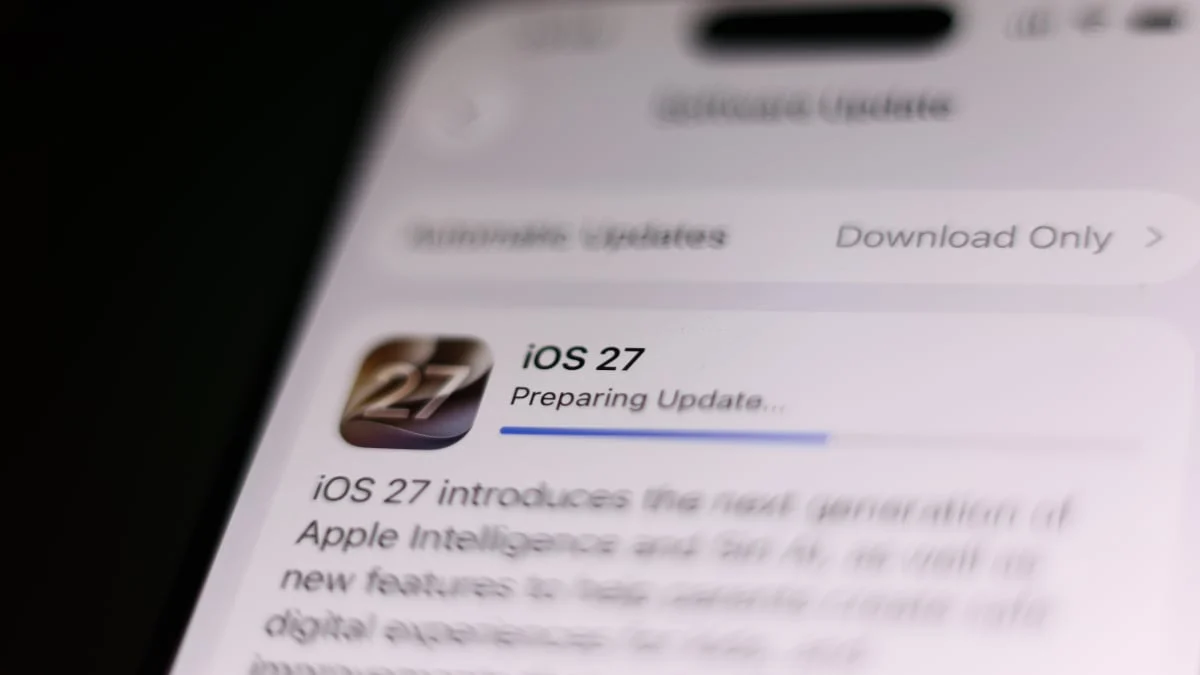
Apple is preparing to release iOS 27.2, its latest major software update for compatible iPhone models, closely following the market arrival of the iPhone 18, iPhone 18 Pro, iPhone 18 Pro Max, and the upcoming iPhone Duo line. As developers and beta testers explore the release candidate builds, the software package promises a robust array of features, ranging from expansive user interface overhauls to deep artificial intelligence integrations. While routine system stability enhancements and critical security patches remain foundational to the update, the introduction of user-facing capabilities across FaceTime, Health, Messages, and Podcasts signals a significant expansion of the iOS ecosystem capabilities.
The rollout of iOS 27.2 arrives at a pivotal juncture in Apple’s annual product lifecycle. Following the hardware announcements at the company’s September hardware event, Cupertino is focusing heavily on synchronizing its device ecosystem with software designed to maximize new hardware architecture, such as advanced neural processing engines and upgraded multi-camera sensor arrays. Industry analysts note that mid-cycle updates like version .2 frequently serve as the vehicle for deploying features previewed earlier in the hardware cycle but withheld for rigorous stability testing.
Expanding Creative Horizons With Group FaceTime Dual Capture
Among the most visually striking additions in iOS 27.2 is the expansion of Dual Capture functionality. Originally introduced to allow users of compatible iPhones to record simultaneous video streams using both the primary rear camera array and the front-facing selfie camera, the feature was initially restricted to one-on-one FaceTime calls. With the upcoming software release, Apple is extending Dual Capture capabilities to Group FaceTime calls.
This enhancement allows multiple participants in a group video session to leverage multi-angle perspective recording or broadcasting natively. For content creators, remote collaborative teams, and families communicating across distances, the ability to weave rear-facing environment shots with real-time personal reactions in a multi-person virtual room represents a notable step forward in mobile communication tools. Technical implementations of the feature utilize the hardware decoding capabilities embedded within Apple’s latest mobile silicon, minimizing thermal throttling and battery drain during prolonged multi-stream processing sessions.
A Holistic Overhaul: The Redesigned Health App
Originally showcased alongside the iPhone 18 hardware suite, the redesigned Apple Health application finally makes its public debut in iOS 27.2. The interface has undergone a structural reorganization, departing from the previous layout to prioritize user comprehension and long-term wellness tracking. The application is now structured around three distinct, primary navigation tabs: Insights, Longevity, and Browse.
The Insights tab functions as the real-time operational dashboard for the user. It aggregates immediate biometric metrics, including current heart rate variability, blood oxygen saturation levels, respiratory rates, and other environmental or physiological vitals captured by paired Apple Watch devices or third-party medical accessories. Conversely, the newly introduced Longevity tab pivots away from micro-data to present longitudinal health trends over extended periods—months and years. This view is designed to help users and medical professionals identify gradual shifts in physical conditioning, sleep patterns, and cardiovascular resilience. The Browse tab retains the comprehensive directory structure, offering granular access to every individual data point cataloged within the HealthKit framework.
Catching Up on AI: Contextual Suggestions in Messages
Apple Intelligence receives a notable functional boost in iOS 27.2 with the implementation of context-aware Suggestions within the native Messages application. When enabled on supported hardware, the system analyzes ongoing text conversations to surface relevant action items dynamically. For instance, if a contact proposes a date and time for an upcoming meeting or social event, the application automatically generates one-tap options to instantly schedule the entry into the user’s Calendar or establish a timed Reminder.
Furthermore, the intelligence layer assists in surfacing contextual media, including relevant photographs, geographical locations, and contact cards buried deep within conversation histories, based purely on the semantic flow of the text chat. Interestingly, industry observers noted that this feature had been temporarily pulled during the initial beta testing phases of iOS 27 earlier in the year, leaving developers eager for its reintegration.
With this deployment, technology analysts point out that Apple is closing a feature gap with competing mobile ecosystems. Android-based platforms have offered comparable context-aware tools for several generations—notably Google’s Magic Cue on Pixel devices and Samsung’s Now Nudge on Galaxy hardware. The arrival of Suggestions on iOS underscores Apple’s ongoing efforts to embed predictive artificial intelligence natively into daily communication workflows without compromising user data privacy standards.
Refining Audio Consumption: Podcasts and Apple TV Profiles
Media consumption experiences are also receiving targeted improvements in iOS 27.2. The Apple Podcasts application is abandoning its monolithic "Up Next" queue structure, splitting the interface into two distinct, dedicated segments to reduce navigation friction.
Under the new architecture, the top section is designated as New Episodes, functioning as a chronological feed that exclusively highlights the latest releases from the user’s subscribed shows. Directly below this feed lies a newly minted Continue Playing section. This queue isolates episodes that the user has partially consumed, ensuring that interrupted listening sessions remain distinct from newly downloaded or unplayed content.
Simultaneously, the Apple TV app on iOS is finally receiving support for multi-user profiles—a feature long established within tvOS hardware environments. Up to this point, an iPhone running the Apple TV application defaulted to a single viewing profile, confounding recommendation algorithms for households sharing a device. With iOS 27.2, individual household members can switch profiles natively within the mobile app, ensuring that personalized movie and television show suggestions, watch histories, and continuation markers remain distinct for every user. This software update arrives in tandem with broader industry expectations that Apple will unveil an updated, dedicated smart home display and Apple TV hybrid device in the near future.
Minor Additions: Call Context Anniversaries
Rounding out the user-facing updates is a subtle yet practical addition to the iOS telephony interface: Call Context Anniversaries. Integrated directly into the Contacts and Phone frameworks, this feature cross-references established date fields within a contact card. If an inbound or outbound call occurs on a designated anniversary date shared with that contact, the calling interface discreetly surfaces a contextual reminder. While minor in scope, the tool aims to assist users in maintaining interpersonal relationships by proactively displaying relevant personal milestones at the exact moment of connection.
Broader Implications and Release Timeline
The impending release of iOS 27.2 highlights Apple’s multi-tiered strategy for mid-cycle operating system updates. By packaging user interface redesigns, expanded hardware utilization (such as Group Dual Capture), and catch-up artificial intelligence features into a single release, Apple continues to drive user engagement across its expanding hardware lineup.
Beta testing phases for iOS 27.2 have proceeded smoothly among registered developers and public beta testers, indicating a stable foundation for the upcoming public rollout. While Apple has not yet announced an official date for the final public release, historical update cadences suggest that the software will deploy to compatible devices globally in the coming weeks, coinciding with broader autumnal hardware and service expansions. As mobile operating systems increasingly rely on localized machine learning and ecosystem synchronization, updates like iOS 27.2 demonstrate the ongoing convergence of hardware capability and software intelligence in daily consumer technology.