The 35th edition of the Philadelphia Film Festival (PFF) concluded with a resounding celebration of cinematic achievement, drawing the highest attendance figures in the history of the esteemed event. Anchored by powerful storytelling and diverse programming, this year’s festival highlighted the evolving landscape of independent cinema. The top honors of the festival were split between Lance Hammer’s poignant narrative feature Queen at Sea, which captured the narrative jury prize, and Jordan Firstman’s deeply personal and resonant Club Kid, which secured the narrative audience award.
The festival’s milestone 35th anniversary underscored its enduring significance as a cultural touchstone for cinephiles and industry professionals alike. Over the course of the multi-day event, audiences gathered to view a curated selection of domestic and international features, documentaries, shorts, and regional projects. The record-breaking turnout reflects a growing post-pandemic resurgence in theatrical attendance, particularly for independent and specialty films that rely heavily on festival circuits to build momentum and foster community engagement.
Firstman on the Broad Appeal of Club Kid
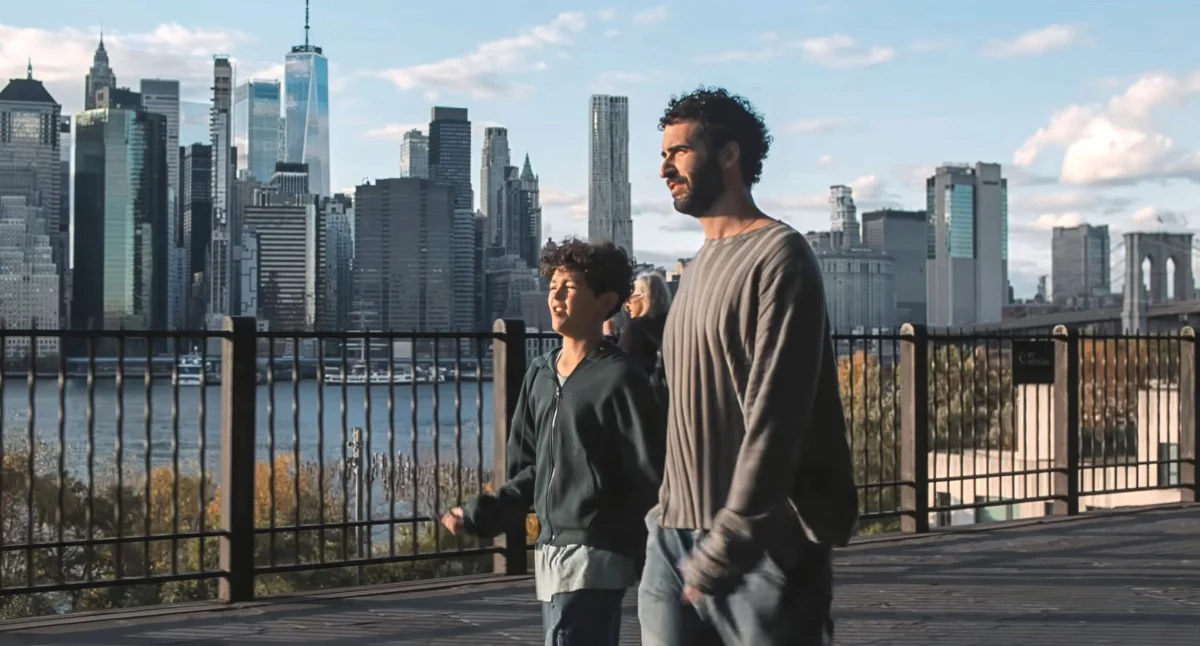
Jordan Firstman’s Club Kid has emerged as one of the most talked-about independent features of the year. While the film is explicitly rooted in the granular, high-energy world of New York City’s queer clubbing scene, Firstman has frequently emphasized that its underlying themes transcend its specific subculture. In a recent interview, the filmmaker and actor discussed the universal emotional resonance of the project, which functions simultaneously as an intimate family drama about a long-lost son and a young father navigating the complexities of early parenthood.
"It’s been amazing to see the kinds of people that relate to this film, but it really is a movie about growth," Firstman shared. The director noted the surprising breadth of the film’s reception across diverse demographic and geographic groups, recalling a screening at the Telluride Film Festival where a 75-year-old conservative man left the theater visibly moved to tears. Later, when the film traveled to the New York Film Festival—a screening that initially provoked anxiety for the creator—it found an equally enthusiastic audience among the city’s nightlife veterans.
Firstman detailed his intentional approach to narrative layering, noting that he designed the story to operate on multiple tiers. The uppermost layer provides warmth, accessibility, and emotional comfort, serving as an emotional anchor for any viewer. Beneath that accessible exterior, however, the filmmaker explores more transgressive and provocative ideas. According to Firstman, this deliberate structural choice ensures that even viewers who may miss the deeper subtext are still left with a narrative that makes them laugh and feel genuinely connected to the characters on screen.
Documentaries and Local Highlights
Beyond the narrative categories, the festival recognized excellence across a robust slate of documentary features and regional projects. Sharon Liese’s Seized earned the jury award for best documentary feature, celebrated for its incisive investigative lens and compelling narrative execution. Meanwhile, the documentary audience prize resulted in a compelling tie between two very different, yet deeply affecting, non-fiction works: Yuval Abraham and Rachel Szor’s devastating Gaza-focused documentary Naza, and Once Upon a Time in Harlem, an intimate historical retrospective conceived by William Greaves and directed by David, Liani, and William Greaves that explores the rich cultural heritage of the Harlem Renaissance.
Local and regional cinema also took center stage, providing a platform for filmmakers rooted in or inspired by the Philadelphia area. Big Phan, a documentary biopic chronicling the cultural and pop-cultural phenomenon of the Phillie Phanatic, captured the audience award for local feature, delighting hometown crowds. In the dedicated Filmadelphia categories, The Haunting of Pennhurst—directed by the collaborative trio of Mike Attie, Katarina Poljak, and Nathan Stenberg—was awarded best Filmadelphia feature for its atmospheric storytelling. Additionally, Dana Nachman’s The Second Life of Freddie Nole received the prize for best Filmadelphia short, rounding out a strong showing for regional talent.
Jury Honors and Special Recognitions
The juried short film categories highlighted innovative storytelling in concise formats. Stephen P. Neary’s Living with a Visionary claimed the award for best short film, impressing judges with its sharp execution and conceptual depth. The festival also took time to honor established cinematic voices, presenting actor and filmmaker Tim Blake Nelson with the artistic achievement in directing award in recognition of his latest feature film, The Life and Deaths of Wilson Shedd. Nelson’s distinct directorial vision and decades-long contributions to independent and mainstream cinema were celebrated as a high point of the annual tribute program.
A Comprehensive Look at the 2025/2026 PFF Winners
The festival’s complete roster of juried and audience-voted accolades reflects a remarkably diverse group of storytellers, documentarians, and regional artists:
AUDIENCE AWARDS
- Narrative Feature: Club Kid — Directed by Jordan Firstman
- Documentary Feature (Tie): Naza — Directed by Yuval Abraham and Rachel Szor; and Once Upon a Time in Harlem — Directed by David Greaves and Conceived by William Greaves
- Local Feature: Big Phan — Directed by Hoag Kepner
JURY AWARDS
- Best Narrative Feature: Queen at Sea — Directed by Lance Hammer
- Honorable Mention: We Are Aliens — Directed by Kohei Kadowaki
- Best Documentary Feature: Seized — Directed by Sharon Liese
- Honorable Mention: Rehearsals for a Revolution — Directed by Pegah Ahangarani
- Honorable Mention for a Good Time: The Match — Directors: Juan Cabral and Santiago Franco
- Best Short Film: Living with a Visionary — Directed by Stephen P. Neary
- Honorable Mention: Jimmy’s Custom Coffin — Directed by James P. Gannon
- Honorable Mention: Because Today Is Saturday — Directed by Alice Eça Guimarães
- Best Filmadelphia Feature: The Haunting of Pennhurst — Directors: Mike Attie, Katarina Poljak, and Nathan Stenberg
- Honorable Mention: I Don’t Want to Drink Your Blood Anymore — Director: Andrew Sullivan
- Best Filmadelphia Short: The Second Life of Freddie Nole — Directed by Dana Nachman
- Honorable Mention for Best Cast: Six Sixty Six — Director: Jim Boemio
- Honorable Mention for Most Innovative: The Wonka of Worcester — Director: Justin O’Neill
Broader Impact and Industry Implications
The record-setting attendance at the 35th Philadelphia Film Festival serves as an encouraging indicator for the health of regional film festivals in the post-pandemic era. As major studios increasingly lean toward consolidated streaming strategies and blockbuster IP, independent film festivals continue to act as vital incubators for original voices, risk-taking storytelling, and community-based cinematic experiences.
By balancing international art-house achievements like Lance Hammer’s Queen at Sea with culturally specific domestic projects like Jordan Firstman’s Club Kid and locally focused documentaries, PFF demonstrated how curation can bridge seemingly disparate audiences. The festival’s ability to attract both casual moviegoers and discerning industry critics highlights the enduring value of theatrical exhibition and communal viewing spaces. As these award-winning titles prepare for broader commercial distribution, festival runs of this caliber provide crucial momentum, validating the creative risks taken by directors, writers, and producers who operate outside the traditional studio system.