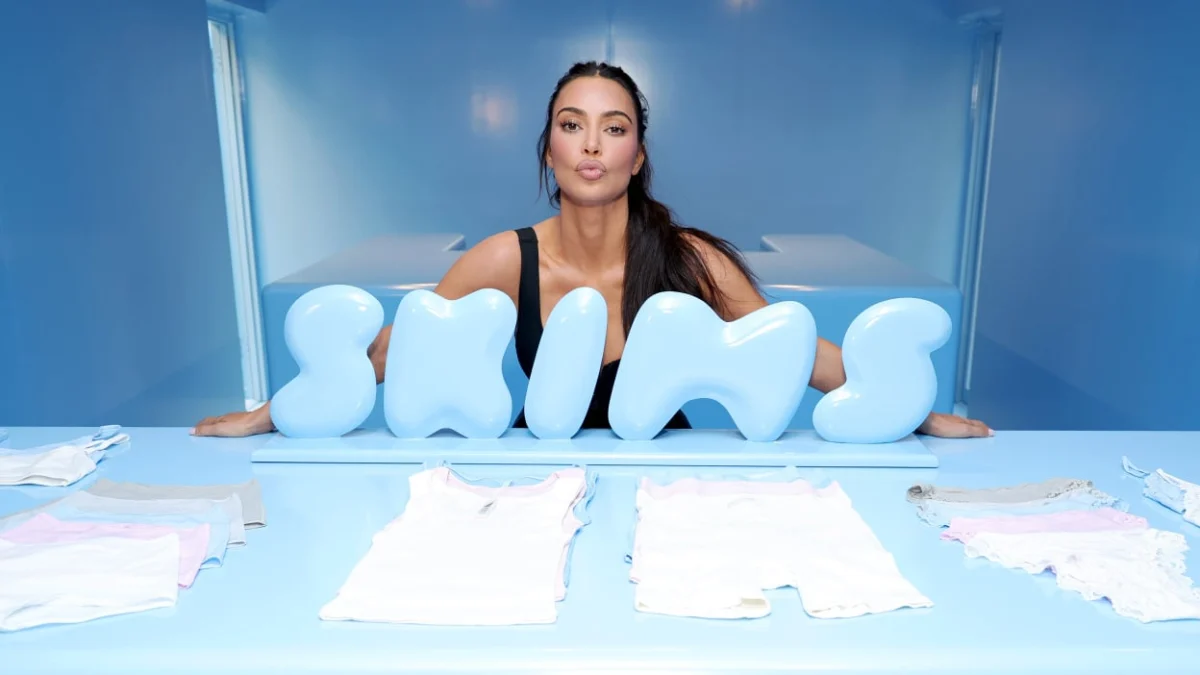
The intersection of luxury loungewear branding and viral social media critique has once again demonstrated the immense power of digital consumer mobilization. In late 2026, Kim Kardashian’s multi-billion-dollar shapewear and apparel enterprise, Skims, found itself at the center of a widespread public relations challenge following the release of its heavily promoted $148 holiday advent calendar. What was intended as a festive countdown to Christmas for devoted brand enthusiasts quickly devolved into a trending internet phenomenon characterized by widespread mockery, comparisons to discarded everyday items, and ultimately, a corporate about-face involving full refunds and store credit offers.
This incident highlights the delicate ecosystem of influencer culture, consumer expectations in the luxury retail space, and the rapid velocity at which online backlash can compel major corporate entities to alter their customer service policies. As social media platforms continue to function as real-time consumer tribunals, brands must navigate the fine line between playful merchandise releases and perceived exploitative pricing.
The Launch and Initial Expectations
When Skims originally introduced its holiday merchandise lineup as part of its seasonal collection on October 29, the advent calendar was positioned as a coveted item for fans of the brand. Priced at $148, the product joined a saturated market of luxury and beauty advent calendars that have become holiday staples over the past decade. Historically, brands across the cosmetics, skincare, and fashion industries utilize these 12-day or 24-day countdown boxes to drive high-margin seasonal sales while offering consumers a curated sampling of popular or exclusive items.
However, unlike high-end beauty calendars featuring miniature perfumes, luxury skincare bottles, or designer cosmetics, the Skims offering leaned heavily into branded accessories. According to product details available on the brand’s website under the "Fit & Fabric" section at launch, the 12-day box was explicitly designed to contain items such as hair accessories, keychains, and small novelty goods. Specifically, the contents included two packs of satin scrunchies, two packs of bobby pins, a pair of headbands crafted from bra elastic, four keychains featuring functional items like a comb and a fuzzy compact mirror, and a branded foam squishy toy.
Despite this technical disclosure—which listed the contents for prospective buyers willing to read the fine print prior to purchase—the reality of opening the physical boxes proved jarring for many consumers when the holiday season arrived.

The Viral Backlash and TikTok Unboxing Culture
The controversy erupted in early November when TikTok users began posting unboxing videos of the calendar. On November 6, content creator @wetsloppyswollen published a video documenting the opening of the first eight days of the calendar. By day eight, the creator had unboxed a teddy bear keychain, hair ties, satin scrunchies, a foam logo toy, and bobby pins—an item that had already repeated a pattern seen earlier in the countdown.
The video struck a nerve within the digital community, rapidly accumulating 65 million views within a mere 72 hours. Commenters humorously and critically likened the contents to a "box of pranks," items found at the bottom of a handbag, or debris retrieved from beneath couch cushions.
The momentum quickly snowballed as other prominent digital creators joined the discourse. Beauty influencer Kayla Ryan, boasting a following of 1.6 million users, expressed dismay over the contents in her own viral video. Consumers began drawing unfavorable comparisons between the $148 Skims calendar and lower-priced alternatives from fast-fashion retailers or competing brands like P. Louise and H&M. Across TikTok and X (formerly Twitter), the hashtag-driven discourse morphed the brand name "Skims" into derisive monikers such as "Skams," reflecting consumer sentiment that the price point was disproportionate to the tangible value of the items enclosed.
Corporate Response and Damage Control
As the negative sentiment amplified across social media channels throughout the weekend of November 7 and 8, the brand moved swiftly to mitigate reputational damage. By November 9, representatives for Skims officially addressed the escalating public relations issue, confirming that the company had proactively reached out to all customers who had purchased the calendar.
In a statement provided to entertainment and media outlets, a Skims spokesperson acknowledged the customer dissatisfaction, stating, "We understand that the calendar didn’t meet expectations." To rectify the situation, the company instituted a flexible remediation policy: purchasers were given the option to return the advent calendar for a full monetary refund or retain the product while receiving equivalent store credit.
Interestingly, despite the widespread digital backlash and mockery, commercial demand for the product remained robust. Following the announcement of the refund policy, the advent calendar was reported as sold out, underscoring the enduring purchasing power and fervent loyalty of Kim Kardashian’s consumer base, even in the face of widespread public criticism.

Defender Perspectives and Consumer Psychology
While the prevailing narrative on social media skewered the product, a segment of internet users and beauty influencers defended the release. Proponents argued that advent calendars of this nature are inherently novelty items meant for hardcore brand superfans rather than pragmatic shoppers looking for utilitarian value or high-dollar apparel items.
Content creator Glamzilla publicly defended the product, suggesting that true fans of the brand derive intrinsic enjoyment simply from unboxing daily memorabilia bearing the Skims aesthetic. Similarly, various commentators on X pointed out that the product description transparently advertised the box as an accessories calendar, arguing that buyers should not have reasonably expected full garments or luxury loungewear at the $148 price point.
This divide underscores a fundamental tension in modern consumer psychology: the friction between items designed for insular, hyper-loyal fan communities and the objective lens of public social media critique, where products are scrutinized by a broader audience that evaluates raw material value against retail cost.
Broader Implications for Brand Accountability
The Skims advent calendar controversy serves as a valuable case study for retail and lifestyle brands navigating the era of social media-driven commerce. Unboxing videos have transformed from organic consumer sharing into a powerful marketing medium, but they also act as an unvarnished accountability mechanism. When a product’s physical reality fails to match the perceived value established by its price tag, digital communities possess the organizing power to swiftly demand corporate rectification.
For Skims, the swift implementation of a refund policy effectively prevented a prolonged consumer boycott, demonstrating an understanding of modern crisis management. However, the episode illustrates a broader lesson for celebrity-founded and direct-to-consumer brands: as social media audiences become increasingly sophisticated in evaluating retail value, marketing hype must be carefully balanced with tangible product satisfaction to maintain long-term brand equity and consumer trust.