A recent study published in the Journal of Experimental Medicine has identified a novel metabolic pathway that links cholesterol regulation to the immune system, offering a potential new therapeutic avenue for psoriasis patients. Researchers based in Beijing have discovered that pantethine, a derivative of vitamin B5 commonly available as a nutritional supplement, can modulate the activity of dendritic cells—specialized immune cells that, when overactive, drive the inflammation characteristic of autoimmune conditions. By addressing the underlying metabolic imbalances within these cells, this intervention may provide relief for patients who struggle with the chronic, often painful, symptoms of psoriasis.
The Biological Mechanism: A Link Between Metabolism and Immunity
Psoriasis is a chronic autoimmune disease characterized by the rapid buildup of skin cells, leading to thick, scaly patches known as plaques. While the condition is widely understood as an immune-mediated disorder, the specific triggers that cause the immune system to turn against the body’s own tissues have long been a subject of intense scientific inquiry.
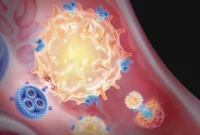
The research team, led by Wei-Na Zhang of the State Key Laboratory of Biomedical Analysis in Beijing, focused on the role of dendritic cells. These cells act as the "sentinels" of the immune system. Under normal physiological conditions, dendritic cells capture antigens and present them to T cells to coordinate an appropriate immune response. However, in autoimmune diseases, these sentinels become hyperactive. They begin to misidentify healthy tissue as a threat, triggering a cascade of inflammatory signals that results in the skin-cell proliferation observed in psoriasis.
The team’s breakthrough involves an enzyme known as Vanin. The researchers observed that Vanin levels were significantly elevated in the dendritic cells of patients suffering from psoriasis and other related autoimmune conditions. This elevation disrupts the metabolic balance within the cell. Specifically, high levels of Vanin deplete the intracellular supply of pantethine. Because pantethine is a precursor to coenzyme A, which is essential for cellular energy production and lipid metabolism, its depletion leads to an unwanted side effect: an increase in cholesterol production within the dendritic cells.
The study posits that this localized accumulation of cholesterol serves as a fuel for immune hyperactivation. By introducing exogenous pantethine, the researchers were able to suppress this cholesterol synthesis, effectively "calming" the dendritic cells and preventing them from triggering the inflammatory response that drives plaque formation.
Chronology of the Discovery and Experimental Validation
The journey to this discovery began with an investigation into the metabolic profiles of immune cells in autoimmune environments. The research team, which included experts from the State Key Laboratory of Biomedical Analysis and the First Medical Center of the Chinese PLA General Hospital, followed a multi-stage experimental timeline:
- Identification Phase: The team analyzed immune cells from human patients to identify differential enzyme expression. They pinpointed Vanin as a primary suspect due to its abnormal concentration in the dendritic cells of psoriasis patients.
- Pre-clinical Modeling: Using mouse models, the team demonstrated that inhibiting Vanin activity successfully prevented the onset of psoriasis-like symptoms. This established a causal link between the enzyme and the pathology.
- Metabolic Mapping: Through detailed biochemical analysis, the researchers mapped the Vanin-pantethine-cholesterol axis, showing that the depletion of pantethine was the critical event leading to cholesterol-driven immune aggression.
- Therapeutic Intervention: The team administered pantethine to the mice, observing a marked reduction in inflammation and the reversal of disease markers.
- Clinical Feasibility: The final stage involved a 24-patient human clinical trial to test the safety and efficacy of pantethine as an adjunct therapy.
Clinical Trial Data and Observations
The small-scale clinical trial conducted by the Chinese research team provides a crucial "proof-of-concept" for the use of pantethine in a clinical setting. The 24 participants were already undergoing standard treatment for psoriasis, involving a topical ointment containing calcipotriene (a vitamin D analogue) and betamethasone (a corticosteroid).
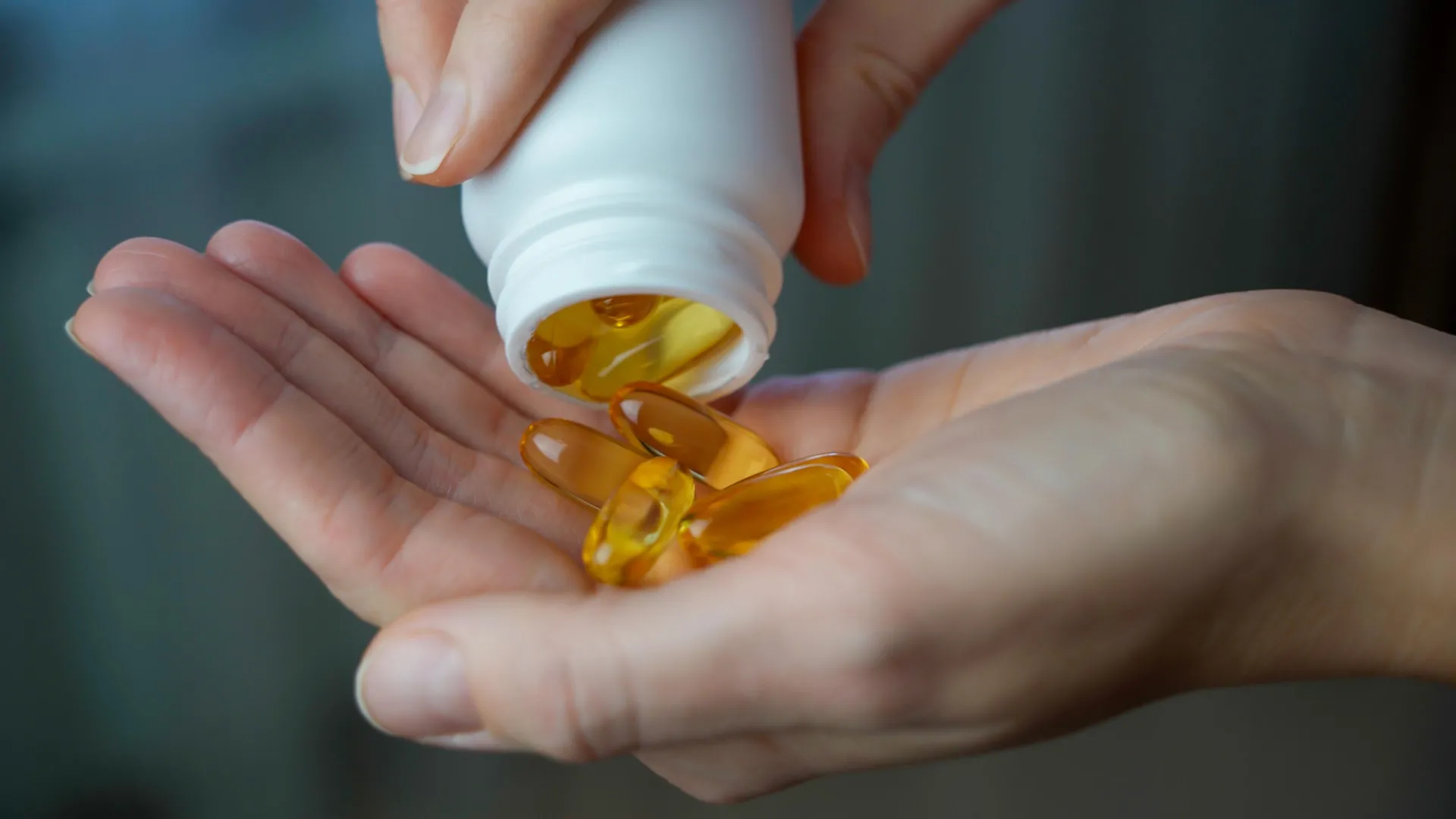
The trial was designed to evaluate whether the addition of oral pantethine supplementation could enhance the outcomes of this conventional regimen. After 12 weeks of observation, the data showed a statistically significant improvement in the Psoriasis Area and Severity Index (PASI) scores among the group receiving the supplement compared to the control group.
Particularly notable was the performance of the supplement in patients who entered the study with higher baseline blood cholesterol levels. This observation aligns with the researchers’ hypothesis that the therapeutic benefit of pantethine is linked to its ability to modulate cholesterol metabolism. While the sample size of 24 participants is relatively small, the results were consistent enough to warrant further investigation in larger, multi-center trials.
The Role of Cholesterol in Autoimmune Pathogenesis
For decades, clinicians have observed that patients with psoriasis are more likely to have metabolic comorbidities, including obesity, hypertension, and dyslipidemia (abnormal cholesterol levels). While these were often treated as secondary complications or related lifestyle factors, the current study suggests a more direct, mechanistic connection.
Cholesterol is not merely a systemic issue affecting cardiovascular health; it is an essential component of cell membranes and a signaling molecule that can alter the fluidity and function of immune cells. When dendritic cells accumulate excessive cholesterol, their signaling pathways become sensitized, making them more prone to "fire" upon contact with self-antigens. This study suggests that by managing the metabolic environment within the cell, doctors may be able to influence immune behavior at a foundational level, rather than simply suppressing the immune system globally with traditional immunosuppressants, which can carry significant long-term risks.
Implications for Future Therapeutic Strategies
The findings from the Beijing team have broad implications for the field of rheumatology and dermatology. If the Vanin-pantethine-cholesterol axis is indeed a master regulator of dendritic cell activation, it may open the door to treating a wide spectrum of autoimmune diseases beyond psoriasis. Conditions like rheumatoid arthritis, systemic lupus erythematosus, and multiple sclerosis also involve dendritic cell dysregulation, and future research may determine if similar metabolic interventions could prove effective for these patients.
However, the medical community maintains a cautious stance. As Wei-Na Zhang noted in the report, the human trial results should be interpreted as a proof-of-concept rather than a definitive cure. Larger trials are required to establish standardized dosing, rule out long-term side effects, and determine which subsets of patients are most likely to respond to this metabolic approach.
The Path Forward: Challenges and Opportunities
Moving forward, the primary challenge for researchers will be to transition from these promising observational findings to a clinical guideline. This will involve:
- Defining Biomarkers: Identifying which patients have high Vanin activity or specific cholesterol metabolic profiles will be essential for "personalized" treatment, ensuring that those most likely to benefit receive the therapy.
- Large-Scale Validation: Large, randomized, double-blind, placebo-controlled trials are necessary to confirm that the observed improvements were not due to external variables or the placebo effect.
- Mechanism Verification: While the mouse models strongly support the mechanism, further human studies are needed to confirm that the reduction in psoriasis symptoms in patients is truly due to the modulation of dendritic cell metabolism, rather than other indirect effects of pantethine.
Despite the need for further research, the study represents a significant shift in how scientists approach autoimmune disease. By focusing on metabolic pathways rather than just immune endpoints, researchers are uncovering "hidden" drivers of disease that have been hiding in plain sight. Pantethine, a relatively safe and inexpensive supplement, offers a low-risk, high-reward area for further exploration.
The research highlights a growing trend in modern medicine: the convergence of metabolism and immunology. As our understanding of how cellular energy consumption dictates immune behavior deepens, we may find that the most effective treatments for some of our most persistent autoimmune conditions are not new, synthetic biologics, but the strategic management of the basic nutritional building blocks our cells rely on to function.
For now, patients and clinicians should look toward the next phase of clinical trials with cautious optimism. If the findings hold up in larger studies, the medical community may have a new, accessible tool in the fight against psoriasis, potentially changing the standard of care for millions of people worldwide.