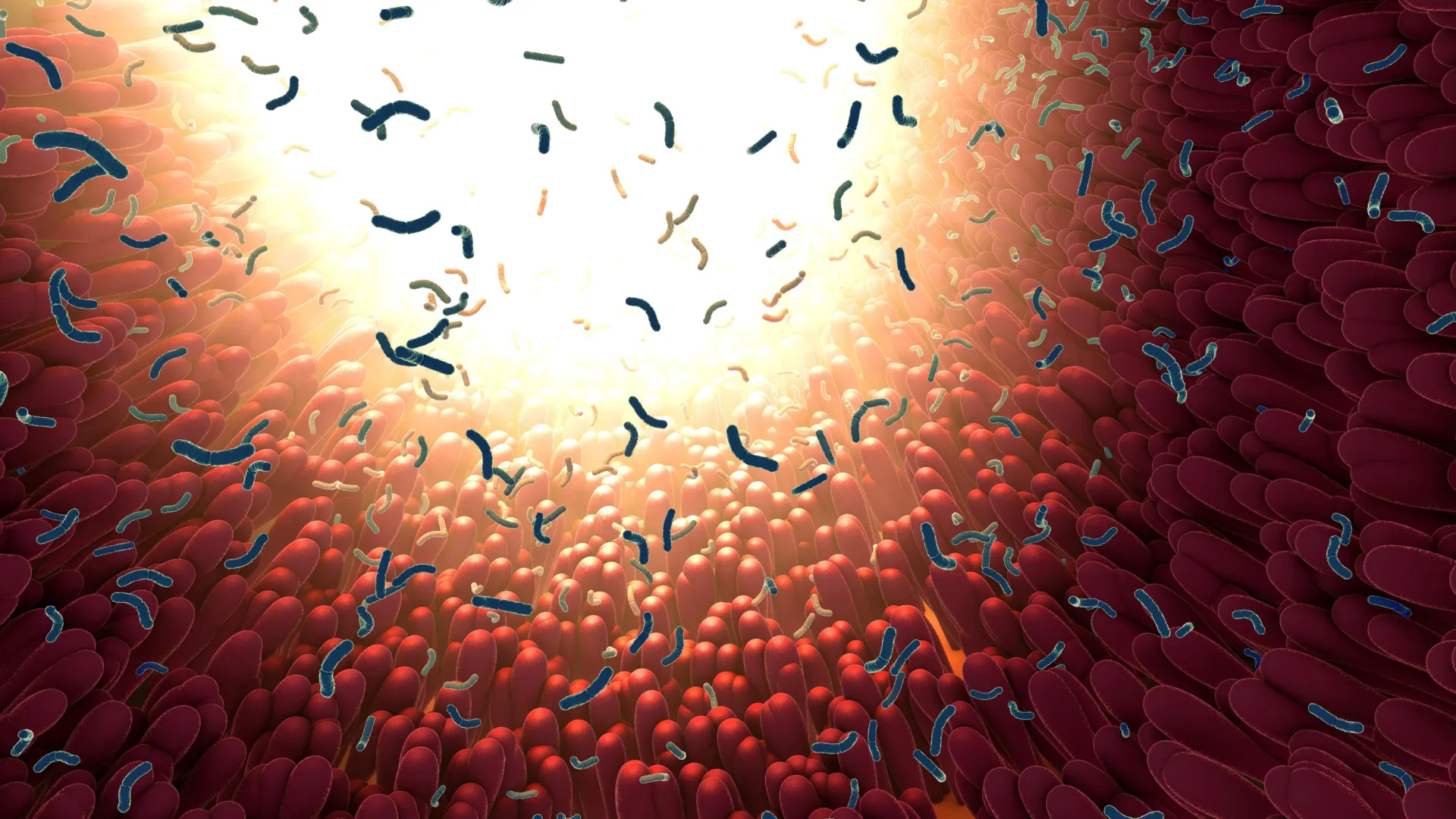
The longstanding mantra that a plant-based diet is synonymous with digestive health has long been attributed primarily to the power of fiber, but recent scientific breakthroughs are revealing a far more nuanced biological landscape. Researchers have identified that fiber is only one piece of a complex puzzle involving indigestible plant proteins and the body’s own internal metabolic capabilities. New research led by the Ludwig Institute for Cancer Research at Princeton University suggests that specific plant proteins, dubbed "proteins imitating fiber" (Prif), play a critical role in shaping the gut microbiome. Furthermore, a secondary discovery has overturned the long-held assumption that gut bacteria are the sole producers of various health-influencing chemical compounds, revealing that the human body itself plays a much larger role than previously understood.
The Evolving Science of the Gut Microbiome
For decades, the gut microbiome—a complex ecosystem of trillions of bacteria residing in the human digestive tract—has been the focus of intense medical study. Scientists have established that these microorganisms are essential for breaking down complex carbohydrates, synthesizing vitamins, and training the immune system. Historically, the dietary focus has been on fiber, which provides the necessary substrate for beneficial bacteria to flourish.
However, the recent studies published in Proceedings of the National Academy of Sciences (PNAS) and Nature Metabolism mark a shift in how nutritionists and medical professionals view the interaction between diet and biological output. By utilizing advanced isotope-labeling techniques, researchers have mapped the journey of nutrients from consumption to metabolic conversion, revealing a sophisticated chemical interplay between food sources and bacterial behavior.
Chronology of Discovery: Tracking the Chemical Signature
The research conducted by Jenna AbuSalim and Joshua Rabinowitz involved a rigorous series of experiments spanning several years. By employing stable isotope tracing, the team was able to tag specific molecules, allowing them to track the exact chemical pathways within the digestive systems of mice and in human cell models.
In the first phase, published in PNAS, the team examined "phenol metabolites." These are compounds generated during the breakdown of amino acids tyrosine and phenylalanine. The researchers discovered that the metabolic fate of these amino acids is not fixed; rather, it is dictated by the composition of the diet. When the gut environment is rich in fiber and Prif—the indigestible proteins found in plant foods—the bacterial community is incentivized to produce healthy metabolites like phenylpropionate and hippuric acid. Conversely, when these protective dietary elements are scarce, the microbiome shifts toward the production of harmful metabolites like p-cresol sulfate, which are linked to cancer progression and kidney dysfunction.
The second phase, published in Nature Metabolism in June, addressed the source of indole metabolites. Previously, medical literature operated under the consensus that these compounds, which are critical for immune function and inflammation regulation, were produced exclusively by gut microbes. The team’s findings demonstrated that human cells are independently capable of synthesizing several of these indole metabolites, challenging the efficacy of microbiome-focused therapies that ignore host-derived metabolic production.
The Role of Prif: Proteins Imitating Fiber
One of the most significant takeaways from the study is the identification of Prif. While dietary fiber has been the subject of thousands of nutritional studies, the role of proteins that survive the upper digestive tract has remained largely under-researched.
Prif functions as a collaborative partner to fiber. When these proteins reach the colon, they serve as a unique nutrient source for gut bacteria. The research indicates that these proteins do not merely pass through the system; they actively modulate which bacterial species thrive. By providing a secondary "fuel" for beneficial microbes, Prif helps suppress the bacteria that would otherwise begin to degrade the gut’s protective mucus lining. This finding is crucial: when the microbiome runs low on fiber and Prif, bacteria begin to "eat" the host’s own intestinal mucus, leading to inflammation and the release of harmful, host-derived toxins.
Implications for Modern Nutrition and Medical Practice
The implications of these findings are poised to ripple through the fields of clinical nutrition and oncology. If the nutritional value of a plant-based diet is indeed dependent on the synergy between fiber and indigestible protein, then current nutrition labels—which prioritize fiber content—may be offering an incomplete picture of a food’s health profile.
Dr. Joshua Rabinowitz, director of the Princeton Branch of the Ludwig Institute for Cancer Research, suggests that in the future, food packaging might list Prif content alongside fiber. This shift would represent a paradigm change in dietary guidance, moving away from a single-nutrient focus toward a more holistic understanding of how food impacts the complex chemical architecture of the human gut.
Furthermore, the realization that the body produces many metabolites previously attributed to microbes suggests that "microbiome-centric" medicine needs recalibration. If a patient is suffering from a deficiency in a beneficial indole metabolite, simply introducing a probiotic may not be sufficient if the body’s own internal metabolic pathways are not functioning correctly or if the patient’s diet lacks the precursors required for endogenous synthesis.
Supporting Data and Biological Mechanisms
To validate their hypothesis, the research team utilized antibiotic-treated models. In these subjects, the depletion of the microbiome led to a dramatic drop in microbial-exclusive compounds, such as indole-3-propionate. However, other metabolites remained stable in the blood, proving that they originated from host tissue rather than bacterial activity.
This data provides a vital roadmap for future therapeutic interventions. By distinguishing between microbial-derived and host-derived compounds, clinicians can better determine whether to prescribe dietary changes, probiotics, or pharmacological agents that target the patient’s own metabolism.
Reactions and Broader Scientific Context
While the studies provide a breakthrough, they also underscore the need for caution in translating animal models to human health. Experts in the field, including those at the Rutgers Cancer Institute, have noted that while the mechanism is sound, the long-term clinical outcomes in human populations remain to be determined through extensive longitudinal studies.
The scientific community has largely reacted with optimism, noting that the "Prif" classification fills a significant gap in nutritional science. By identifying that proteins can act as prebiotic agents, researchers have opened a new avenue for treating metabolic diseases, digestive disorders, and perhaps even modulating tumor environments through precise dietary control.
Conclusion: A New Era for Dietary Science
The findings from the AbuSalim and Rabinowitz studies represent a shift from a simplistic view of "healthy eating" to a high-resolution understanding of biochemical pathways. The interaction between indigestible proteins and gut health highlights the importance of plant diversity in the diet, not just for the sake of vitamins, but for the fundamental chemical signaling required to maintain a healthy gut barrier.
As medical science continues to move toward personalized nutrition and precision medicine, the realization that we are managing a dual-production system—one internal, one microbial—will be essential. Whether through the regulation of food labels or the development of new therapeutics designed to support the gut’s natural mucus-protective mechanisms, these discoveries provide a robust foundation for the next generation of health strategies. The path forward involves not just consuming more plants, but understanding the specific, intricate chemical roles that every component of those plants plays in the preservation of human health.