Halloween has long outgrown its traditional boundaries as a neighborhood-centric evening reserved exclusively for children walking door-to-door in search of confectionary treats. While October 31 still retains its core magic for younger generations, contemporary society has witnessed a massive cultural shift. Today, adults participate in the festivities with an enthusiasm that rivals, and often surpasses, that of children. Driven by adult costume parties, themed corporate events, community festivals, and the immense global reach of social media platforms, Halloween has evolved into a major economic and cultural powerhouse. The modern celebration is no longer just about collecting candy; it is a sophisticated arena for artistic expression, pop culture nostalgia, and digital storytelling where millions of participants showcase their creativity to a worldwide audience.
The Evolution of Halloween: From Ancient Roots to Modern Digital Spectacle
To understand the scale of contemporary Halloween celebrations, one must examine how the holiday transitioned from an ancient Celtic harvest festival into the commercial and cultural juggernaut it is today. Originating from the ancient festival of Samhain—where people lit bonfires and wore costumes to ward off ghosts—the holiday has steadily mutated over centuries. In the United States and various Western nations, it transformed into a community-oriented children’s holiday during the mid-20th century.
However, the late 20th and early 21st centuries marked a distinct turning point. Adults began reclaiming the holiday, recognizing it as a socially acceptable occasion for theatrical transformation, escapism, and communal gathering. The proliferation of pop culture fandoms, the rise of comic book conventions, and the omnipresence of social media networks have collectively supercharged this evolution. Platforms such as X (formerly Twitter), Instagram, TikTok, and YouTube have turned individual costume creation into a competitive, viral sport. Users no longer share their Halloween experiences solely with friends at a local party; instead, they broadcast their elaborate designs to global audiences, generating millions of impressions, likes, and shares within hours.
Economic Impact and Consumer Trends
The transformation of Halloween from a localized evening event into an expansive cultural season has profound economic implications. According to data compiled by the National Retail Federation (NRF) and various consumer research firms, Halloween spending in the United States alone has consistently shattered previous records year after year. Total spending regularly surpasses the ten-billion-dollar mark, with adult costumes making up a substantial portion of the market share.
Consumers invest heavily not only in ready-made costumes but also in specialized makeup, professional-grade prosthetics, customized props, and high-end textiles to bring complex characters to life. This surge in seasonal retail activity provides a vital fourth-quarter boost to brick-and-mortar costume shops, e-commerce platforms, and the entertainment merchandising sector. Furthermore, the digital economy benefits immensely; content creators, makeup artists, and influencers monetize their Halloween-themed tutorials, reviews, and showcases through sponsored content and ad revenue, cementing the holiday’s status as a critical economic engine for the digital creative industry.
A Showcase of Digital Creativity: Standout Costume Trends
As social media platforms flood with user-generated content each October 31, certain costume archetypes consistently rise to the top due to their cleverness, execution, or sheer nostalgic appeal. Observers and digital curators tracking the evening’s digital footprint often highlight several recurring categories that capture the public imagination.
Nostalgia remains a powerful currency in modern pop culture, and Halloween provides the ideal medium for paying homage to classic entertainment. Throwbacks to iconic children’s television shows from the late 1990s and early 2000s frequently dominate social media feeds. These carefully curated nods to youth culture strike a chord with millennials and older Generation Z participants who view the holiday as an opportunity to revisit simpler times through clever wardrobe choices and authentic prop replication.
Similarly, animated series that defined specific eras of cable television continue to inspire remarkable sartorial tributes. Characters from beloved animated programs, once confined to television screens, are brought into the physical world with astonishing accuracy. Whether it is recreating the distinct aesthetic of cult-classic survival-reality animation or designing avant-garde streetwear inspired by niche fandoms, participants demonstrate an impressive attention to detail.
Music history and cultural icons also command significant attention. Tributes to legendary performers—such as pioneering figures of soul, funk, and modern pop—offer creators a chance to celebrate musical royalty. Replicating the signature stage presence, iconic stage outfits, and characteristic charisma of historical musicians requires deep research and tailoring skill, transforming a simple costume into a living historical exhibit.
Pop Culture Mashups and Cinematic Homages
Beyond television and music, contemporary cinema and internet culture provide a bottomless well of inspiration. Independent creators, digital streamers, and online personalities frequently leverage Halloween to stage elaborate, high-production-value transformations. Major internet streamers, known for commanding massive, highly engaged digital audiences, often go to extraordinary lengths, investing substantial resources into theatrical-grade costumes, professional lighting, and cinematic photography to mark the occasion.
Cinematic homages to revered character actors also find a natural home on Halloween. Tributes to prolific actors known for their distinct facial structures, intense performances, and memorable film roles often manifest as viral sensations. Creators utilize advanced special effects makeup, theatrical latex, and precise wardrobe styling to capture the likeness of legendary cinematic figures, blending humor, irony, and genuine artistic appreciation.
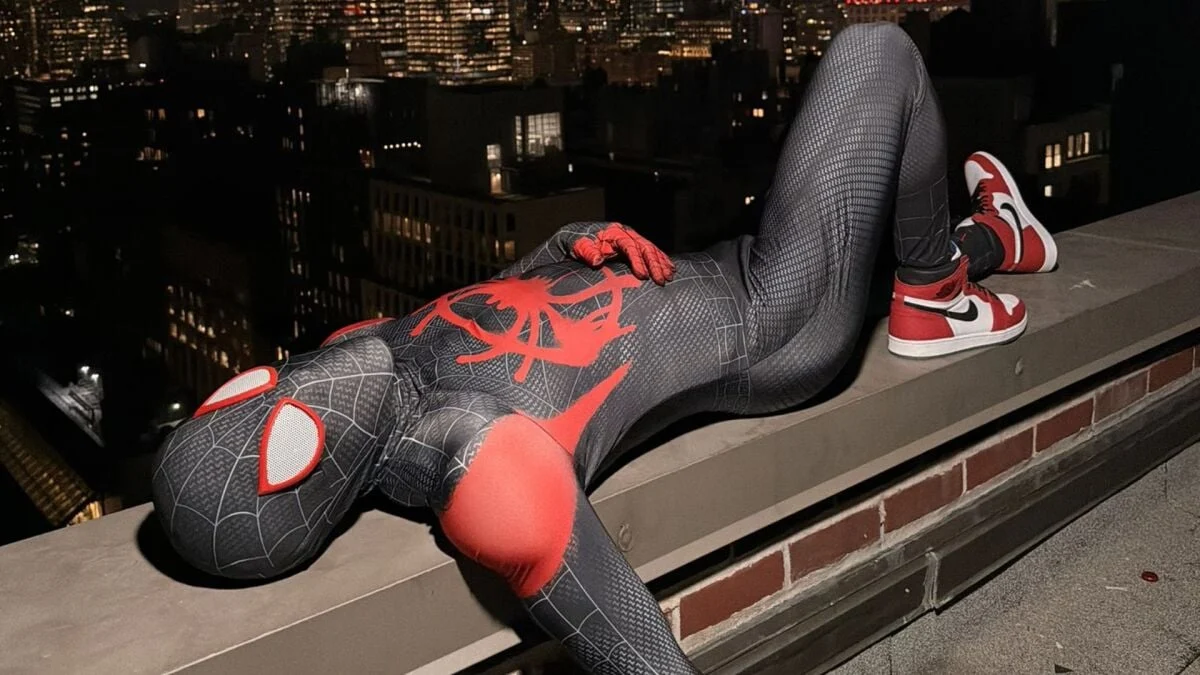
Moreover, the comic book and superhero genre continues to yield stunning visual achievements. While mass-produced superhero costumes are ubiquitous, dedicated cosplayers take the medium further by constructing elaborate, articulated armor, utilizing advanced materials like thermoplastics, and recreating iconic comic book illustrations in real life. The interpretation of cosmic entities and classic graphic novel heroes demonstrates the high technical ceiling of modern amateur costume design.
Broader Cultural Implications and Societal Impact
The increasing prominence of adult-centric Halloween celebrations points to broader shifts in how modern adults approach leisure, community, and play. Sociologists and cultural analysts note that in an era often defined by economic pressures, geopolitical anxiety, and professional burnout, structured opportunities for escapism are increasingly vital for psychological well-being. Halloween offers a sanctioned, temporary suspension of everyday social norms, allowing adults to shed their professional identities and adopt entirely new personas.
This communal release fosters social cohesion and strengthens community bonds. Whether through neighborhood block parties, organized costume contests, or digital communities interacting across international borders, Halloween acts as a connective tissue. It bridges generational divides by providing a shared cultural vocabulary rooted in humor, storytelling, and visual arts.
Furthermore, the democratization of costume design through online tutorials, shared DIY guides, and accessible e-commerce has transformed everyday individuals into active producers of culture rather than passive consumers of media. When a well-executed costume goes viral on social media, it elevates the creator to a momentary cultural touchstone, demonstrating the power of grassroots creativity in a digital-first world.
Looking Ahead: The Future of October 31
As Halloween continues to expand its footprint, industry experts predict that the intersection of technology and costume design will yield even more innovative celebrations in the coming years. Emerging tools such as augmented reality (AR), integrated wearable electronics, and 3D-printed accessories are already beginning to influence advanced costume construction. Creators are increasingly incorporating programmable LED lighting systems, motorized elements, and interactive digital displays into their seasonal wardrobes, blurring the line between physical tailoring and digital engineering.
At its core, however, the enduring appeal of Halloween remains rooted in timeless human impulses: the desire for storytelling, the joy of creative collaboration, and the shared appreciation of a well-crafted spectacle. Whether celebrated through an elaborate neighborhood gathering or broadcast to millions across global digital networks, October 31 has firmly secured its place as a cornerstone of modern cultural expression—proving that the magic of transformation is not just for children.