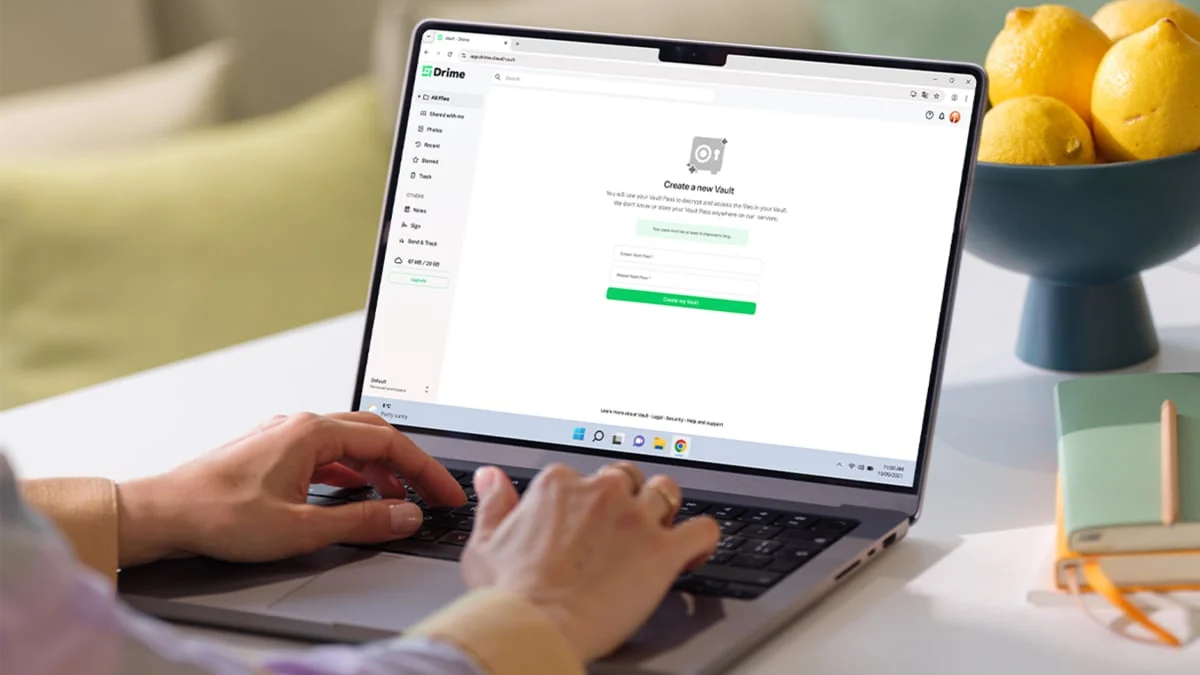
The modern digital workspace is increasingly fragmented, with creative professionals, remote teams, and independent contractors frequently juggling a dizzying array of disparate applications just to complete a single project. From raw video footage exchanged via disparate file-transfer utilities to feedback scattered haphazardly across email threads, instant messaging platforms, and disjointed document comments, maintaining version control has evolved into a formidable administrative burden. In an effort to streamline these complex workflows, cloud infrastructure providers have begun developing all-in-one ecosystems that merge expansive data capacity with robust collaborative functionality. A prominent example of this industry shift is Drime, a secure cloud storage and project collaboration platform that has recently drawn market attention by offering its Essential Plan—featuring two terabytes of storage and advanced collaborative utilities—for a discounted lifetime access fee of $149.97, reduced from its standard retail price of $299.
This comprehensive software solution aims to consolidate file management, editing, sharing, and signing into a singular, unified interface. By bridging the gap between passive data archiving and active project management, platforms of this nature seek to eliminate the operational friction inherent in modern remote collaboration. As enterprises and solo practitioners alike continually evaluate their software expenditures in light of rising subscription fatigue, lifetime access models for cloud infrastructure present a distinct financial proposition that warrants a thorough examination of features, security protocols, and broader market implications.
Core Features and Technical Capabilities of the Drime Infrastructure
At the foundation of the Drime Essential Plan is a generous allocation of two terabytes of secure cloud storage. For media professionals, photographers, and videographers who regularly generate massive raw files, the utility of this capacity is significantly enhanced by the platform’s handling of individual uploads. Unlike many legacy cloud storage providers that enforce strict ceilings on single-file sizes—often necessitating the cumbersome process of compressing or splitting large archives before uploading—Drime imposes no individual file size restrictions. Users are empowered to upload massive high-definition video projects, extensive raw photo libraries, and comprehensive software backups natively, limited only by their remaining aggregate storage quota.
Beyond mere capacity, the platform addresses the perennial challenge of cross-platform accessibility. Drime supports seamless file synchronization across a broad spectrum of compatible desktop and mobile operating systems, ensuring that remote workers can retrieve, review, and modify their assets regardless of location. However, compatibility considerations remain vital for enterprise deployment; notably, current iterations of the desktop application do not support older Intel-based Macintosh computers, restricting native desktop synchronization to modern hardware architectures while web-based access remains universally available via standard browsers.
Advanced Sharing Controls and Precision Collaboration
The distribution of digital assets to external clients and stakeholders often introduces security and version control vulnerabilities. Traditional link-sharing methods frequently lack granular oversight, leaving files exposed once a project concludes. To counteract these risks, Drime incorporates a sophisticated sharing architecture that extends far beyond basic URL generation. Users are equipped to configure custom sharing links reinforced by robust password protection, establish definitive expiration dates for link validity, and monitor comprehensive access statistics to track precisely when and how often a file has been viewed or downloaded.
Once stakeholders access shared assets, the collaborative workflow transitions into the platform’s review environment. Feedback loops are notoriously inefficient when reviewers must reference generalized timestamps or vague document locations. Drime mitigates this friction by integrating timestamped commenting capabilities directly into supported video and PDF formats. Reviewers can attach comments to exact seconds within a video timeline or specific paragraphs within a document, removing ambiguity and accelerating the revision cycle.
To further reduce the necessity of switching between specialized applications, the ecosystem includes built-in document and media editing utilities, alongside an integrated e-signature solution designated as Drime Sign. This functionality allows teams to draft, review, execute, and store legally binding agreements within the same environment where the underlying project files reside. Collaborative workspaces within the plan accommodate teams of up to 15 members, fostering centralized project management. Furthermore, a 120-day version history protocol acts as a safeguard, permitting administrators to revert files to earlier states should an unwanted modification or corrupted edit compromise the asset.
Security Architecture and Data Privacy Compliance
In an era defined by escalating cybersecurity threats and stringent regulatory frameworks regarding data protection, the physical and logical location of cloud-hosted infrastructure is a paramount concern for enterprise buyers. Drime addresses these sensitivities by hosting its core infrastructure within the European Union, aligning its operational standards with rigorous regional data privacy mandates.
For highly sensitive intellectual property, financial records, or confidential correspondence, the platform provides an end-to-end encrypted Vault. This specialized feature employs local client-side encryption before data is transmitted to or stored on remote servers. Consequently, the encryption keys remain under the exclusive control of the user, ensuring that even the platform provider cannot inspect or decrypt the contents of the Vault. This zero-knowledge architectural approach provides a layer of security comparable to dedicated enterprise-grade vault services, making the platform viable for legal, medical, and financial professionals who handle confidential data.
Market Context and the Rise of Lifetime Software Subscriptions
The introduction of steeply discounted lifetime access models by emerging software-as-a-service (SaaS) providers reflects a broader trend within the digital economy. For decades, software consumption has trended heavily toward recurring monthly or annual subscription models, which guarantee steady revenue streams for technology companies but frequently result in cumulative subscription fatigue for consumers and small businesses. In response, platforms seeking rapid market penetration often partner with specialized promotional curators—such as StackSocial—to offer perpetual licenses at a one-time purchase price.
For startups and independent operators, securing vital infrastructure like cloud storage and collaboration tools through a single capital expenditure can drastically reduce operational overhead. However, industry analysts note that lifetime software models require careful evaluation regarding the long-term economic viability of the provider. Ensuring that a company can perpetually maintain server infrastructure, execute security patches, and deliver ongoing software updates based on a single upfront payment necessitates robust financial planning and scalable user acquisition strategies. Drime’s integration within the European Union regulatory framework and its reliance on structured tier limits suggest a measured approach to balancing lifetime promotional pricing with sustained operational sustainability.
Implications for Remote Teams and Independent Professionals
The broader adoption of consolidated workspaces points toward a fundamental restructuring of how digital content is created, reviewed, and finalized. As remote and hybrid work models solidify their permanence within the global labor market, the efficiency gains derived from unified platforms become increasingly tangible. By eliminating the administrative overhead associated with managing separate subscriptions for cloud storage, document signing, video review, and file transfer, professionals can redirect their focus toward core creative and analytical tasks.
Nevertheless, transitioning an existing digital workflow to a new ecosystem involves a calculated migration cost. Users must weigh the immediate financial savings of a promotional lifetime subscription against the time required to migrate legacy data, retrain team members on new interfaces, and ensure seamless integration with existing software stacks. For new and existing users who choose to adopt the Drime Essential Plan, redemption procedures require activation through the official web application within 30 days of purchase.
Ultimately, the availability of comprehensive cloud storage and collaboration suites at reduced entry barriers underscores the fiercely competitive nature of the modern enterprise software market. As platforms continue to converge features that were once distributed across dozens of discrete applications, tools like Drime illustrate the ongoing evolution of the digital workplace toward greater consolidation, security, and user-centric control.