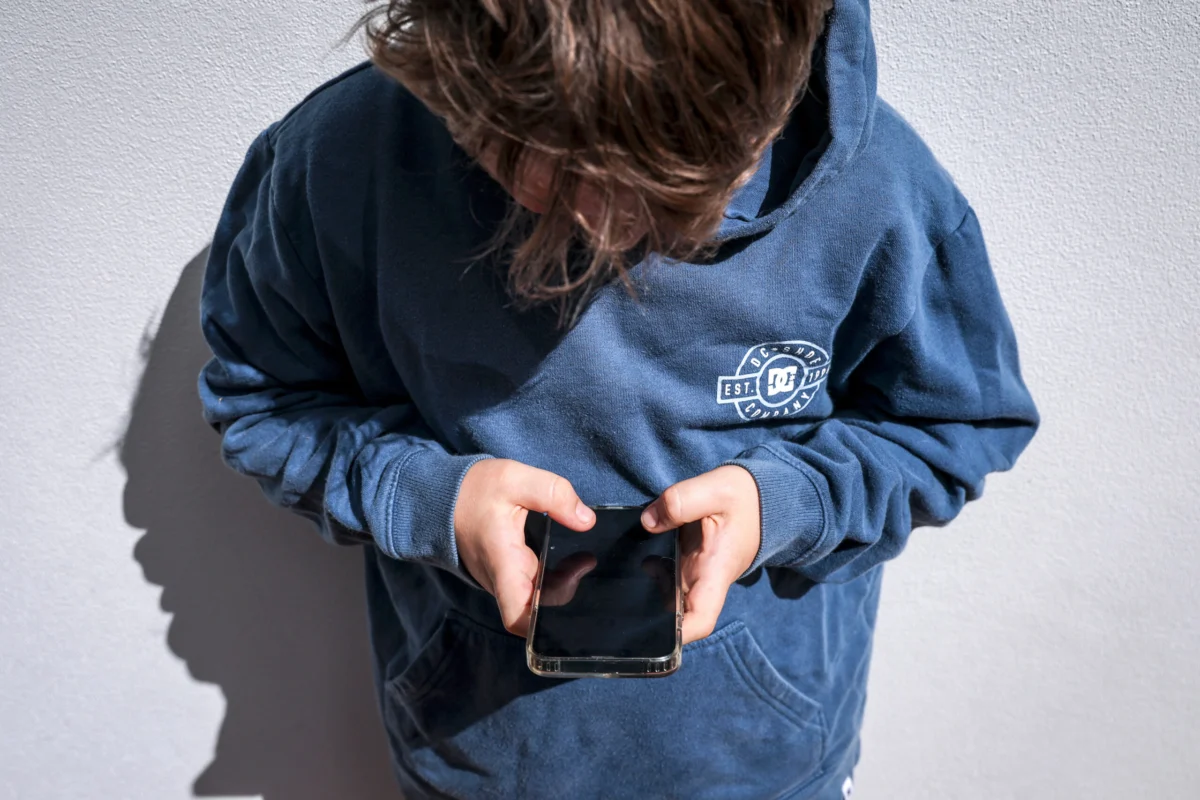
The global landscape of digital regulation is undergoing a significant transformation as nations worldwide grapple with the perceived impact of social media on young minds. In a trend that has accelerated over the past year, an increasing number of countries have announced or implemented measures to restrict social media access for children and teenagers. Australia made headlines late last year by becoming the first nation to enact such a ban, setting a precedent that is now being closely followed by others. France is the latest to join this growing list, signaling a coordinated international effort to address concerns surrounding cyberbullying, mental health challenges, addiction, and exposure to online predators.
These governmental actions stem from a growing body of research highlighting the potential negative consequences of early and extensive social media engagement. Studies have increasingly linked heavy social media use in adolescents to heightened risks of anxiety, depression, poor sleep quality, and body image issues. The addictive design of many platforms, coupled with the constant pressure of social comparison and the potential for online harassment, has prompted policymakers to intervene.
However, these proposed regulations are not without controversy. Critics, including organizations like Amnesty Tech, have voiced concerns about the feasibility and effectiveness of outright bans. They argue that such measures may infringe on privacy through invasive age verification processes and represent an overreach of governmental authority. Furthermore, some experts contend that these bans fail to address the root causes of online harms and may ignore the digital realities of younger generations, potentially pushing them towards less regulated corners of the internet. Despite these reservations, the momentum behind legislative action appears to be building, with numerous countries moving forward with proposed laws.
This report provides a comprehensive overview of the countries that are considering or have already implemented restrictions on social media access for young users, detailing their specific approaches and timelines.
A Wave of Legislation: Country-Specific Approaches to Social Media Bans
The movement to safeguard minors online has gained significant traction, with diverse legislative strategies emerging across continents. The following outlines the key initiatives and proposed regulations from various nations:
Australia: Pioneering the Ban
Australia made a groundbreaking move in December 2025 by becoming the first country to implement a ban on social media for individuals under the age of 16. This landmark legislation targets popular platforms such as Facebook, Instagram, Snapchat, Threads, TikTok, X (formerly Twitter), YouTube, Reddit, Twitch, and Kick. Notably, messaging applications like WhatsApp and specialized platforms such as YouTube Kids are excluded from this prohibition.
The Australian government has placed the onus on social media companies to actively prevent underage users from accessing their services. Non-compliance with these directives can result in substantial financial penalties, with potential fines reaching up to AUD $49.5 million (approximately USD $34.4 million). The government’s stance emphasizes the need for robust age verification mechanisms, moving beyond self-declaration by users. This includes requiring platforms to employ multiple verification methods to ensure that users are indeed above the age of 16.
France: Extending Digital Safeguards
France has recently enacted a law that prohibits access to social media for individuals under the age of 15. This legislation, passed on July 21st, is slated to take effect as early as September 1st. In addition to social media restrictions, the law will also extend the ban on mobile phone usage in high schools, building upon existing prohibitions in primary and middle schools. This dual approach reflects a broader concern about the pervasive influence of digital devices on young people’s well-being and academic focus.
United Kingdom: Aiming to Reclaim Childhood
In a significant policy announcement on June 15th, UK Prime Minister Keir Starmer declared his government’s intention to ban social media use for children under 16. This proposed ban is set to encompass a wide array of platforms, including Snapchat, TikTok, YouTube, Instagram, Facebook, and X. Similar to other nations, messaging services like WhatsApp and Signal will be exempt. The government is also addressing the burgeoning field of Artificial Intelligence, imposing limitations on AI "romantic companion" chatbots, which will be required to ensure they are only accessible to individuals aged 18 and over.
Prime Minister Starmer has acknowledged the challenges associated with enforcing such a ban but expressed confidence in its potential efficacy, with implementation tentatively planned for spring 2027. This initiative underscores a commitment to "give kids their childhood back," aiming to mitigate the pressures and potential harms associated with early immersion in the digital social sphere.
Canada: Legislative Action on Digital Safety
The Canadian government introduced a digital safety bill in early June that proposes a ban on social media for individuals under the age of 16. Under this proposed legislation, major social media companies may be able to circumvent the ban if they can demonstrate robust policies designed to protect young users. Officials anticipate that the bill could take approximately one year to navigate the legislative process and become law.
Denmark: Building Consensus for Protection
Denmark is poised to implement a ban on social media platforms for children under the age of 15. The Danish government announced in November 2025 that it had secured bipartisan support for the ban, with backing from three governing coalition parties and two opposition parties in parliament. According to reports from the Associated Press, the government’s plans could be enacted into law by mid-2026. Complementing these legislative efforts, the Danish Ministry of Digital Affairs is developing a "digital evidence" app that will incorporate age verification tools, which may be utilized in conjunction with the ban.
Austria: Finalizing Age Verification Framework
Austria announced in late March its intention to ban social media for children up to the age of 14. Draft legislation detailing this prohibition is expected to be finalized by June, signaling a swift legislative process. The move aligns with a broader European trend of increasing digital oversight for minors.
Greece: Tackling Anxiety and Addiction
Greek Prime Minister Kyriakos Mitsotakis announced in April that the country will ban access to social media for children under the age of 15, effective January 2027. Mitsotakis articulated that this measure is intended to combat rising levels of anxiety and sleep problems among children, as well as to counteract the addictive design inherent in social media platforms.
Indonesia: A Broad Digital Sweep
In early March, Indonesia declared its intention to ban children under the age of 16 from accessing social media and other popular online platforms. The country’s initial focus will be on platforms such as YouTube, TikTok, Facebook, Instagram, Threads, X, Bigo Live, and Roblox. This comprehensive approach signals a significant shift in how the Indonesian government is approaching online content moderation for minors.
Malaysia: Implementing a Youth-Focused Ban
The Malaysian government announced in November 2025 that it plans to ban social media access for children under the age of 16, with the implementation targeted for the current year. This proactive measure reflects a growing concern among Southeast Asian nations regarding the digital well-being of their youth.
Poland: Drafting Legislation for Younger Users
Poland’s ruling party is currently drafting new legislation that would prohibit children under the age of 15 from using social media. This initiative, reported in February, signifies a clear intention to restrict younger Poles’ engagement with online social platforms.
Slovenia: Regulating Minors’ Online Presence
Slovenia is in the process of drafting legislation to prohibit children under the age of 15 from accessing social media. The country’s Deputy Prime Minister announced in early February that the government aims to regulate social networks where content is shared, specifically citing platforms like TikTok, Snapchat, and Instagram.
Spain: Accountability and Age Restrictions
In early February, Spain’s Prime Minister announced the country’s plan to ban social media for children under the age of 16, pending parliamentary approval. Furthermore, the Spanish government is actively working on legislation to hold social media executives personally accountable for instances of hate speech on their platforms. This dual approach addresses both user protection and content moderation responsibilities.
Turkey: Parliamentary Approval Pending
The Turkish parliament passed a bill in April that restricts social media access for children under the age of 15. For this bill to become law, it requires the formal acceptance of Turkish President Recep Tayyip Erdogan. This legislative step indicates a move towards greater governmental control over online content accessible to minors.
Germany: Internal Deliberations on Age Curbs
In early February, Germany’s conservative party, led by Chancellor Friedrich Merz, discussed a proposal to bar children under the age of 16 from using social media. However, there have been indications that coalition partners from the center-left may be hesitant to support an outright ban, suggesting ongoing debate within the government regarding the most effective regulatory approach.
Underlying Rationale: Protecting Vulnerable Users
The common thread weaving through these diverse legislative efforts is the shared objective of mitigating the potential harms faced by young people in the digital realm. These risks are multifaceted and well-documented:
- Cyberbullying: The anonymity and pervasive nature of online interactions can create fertile ground for harassment, intimidation, and social exclusion, with severe psychological consequences for victims.
- Mental Health Impacts: Extensive research points to a correlation between high social media usage in adolescents and increased rates of anxiety, depression, loneliness, and poor self-esteem. The constant curated portrayal of idealized lives can foster feelings of inadequacy and social comparison.
- Addiction and Compulsive Use: The design of many social media platforms incorporates features intended to maximize user engagement, leading to addictive behaviors that can disrupt sleep, academic performance, and real-world social interactions.
- Exposure to Inappropriate Content: Children and teenagers may be exposed to age-inappropriate material, including violence, pornography, and extremist ideologies, without adequate parental oversight.
- Online Predators: The digital space can present opportunities for malicious actors to groom, exploit, and endanger minors, making robust safety measures paramount.
- Sleep Disruption: The blue light emitted from screens and the constant stimulation of notifications can interfere with natural sleep patterns, leading to chronic sleep deprivation in adolescents, which impacts cognitive function and overall health.
- Body Image Issues: The prevalence of filtered and edited images on social media can contribute to unrealistic beauty standards, exacerbating body image concerns and disordered eating patterns among young users.
The Age Verification Conundrum and Privacy Concerns
A significant challenge confronting governments and social media platforms alike is the implementation of effective and privacy-preserving age verification systems. Relying solely on users to self-report their age has proven insufficient, leading to the exploration of more robust methods. These may include:
- Third-Party Verification Services: Utilizing specialized companies that verify identity and age through various means, though this raises concerns about data privacy and the potential for misuse of personal information.
- Government-Issued ID Scans: Requiring users to upload scans of official identification documents, a method that presents significant privacy risks and potential for data breaches.
- Biometric Data: Exploring the use of facial recognition or other biometric markers, which are highly controversial due to privacy implications and the potential for discrimination.
- AI-Powered Age Estimation: Employing artificial intelligence to estimate age based on user behavior, content consumption, or visual cues, though the accuracy and ethical implications of such methods are still under scrutiny.
These technological solutions often walk a fine line between ensuring child safety and upholding individual privacy rights. The potential for invasive surveillance and the centralization of sensitive personal data are key concerns for privacy advocates and civil liberties organizations.
Broader Implications and Future Outlook
The global trend towards restricting social media access for minors signals a fundamental re-evaluation of the internet’s role in childhood and adolescence. As more countries adopt similar legislation, there is a growing possibility of a fragmented global digital environment, with varying levels of access and regulation for young people.
The economic impact on social media companies is also a consideration. Platforms that rely heavily on younger demographics for user growth and engagement may need to significantly adapt their business models and marketing strategies. Furthermore, the development of new technologies and services catering specifically to younger age groups, or those that can effectively age-gate content, is likely to accelerate.
The ongoing debate surrounding these bans highlights a critical juncture in digital policy. The challenge lies in finding a balance between protecting vulnerable youth and preserving fundamental rights to access information and express oneself online. The effectiveness of these bans will ultimately depend on their design, enforcement, and the willingness of both governments and technology companies to collaborate on solutions that prioritize the well-being of the next generation. As this global movement continues to evolve, close monitoring of its implementation, impact, and the ensuing societal and technological adaptations will be crucial. The year 2026 and beyond will likely witness significant developments in how societies govern the digital lives of their youngest citizens.