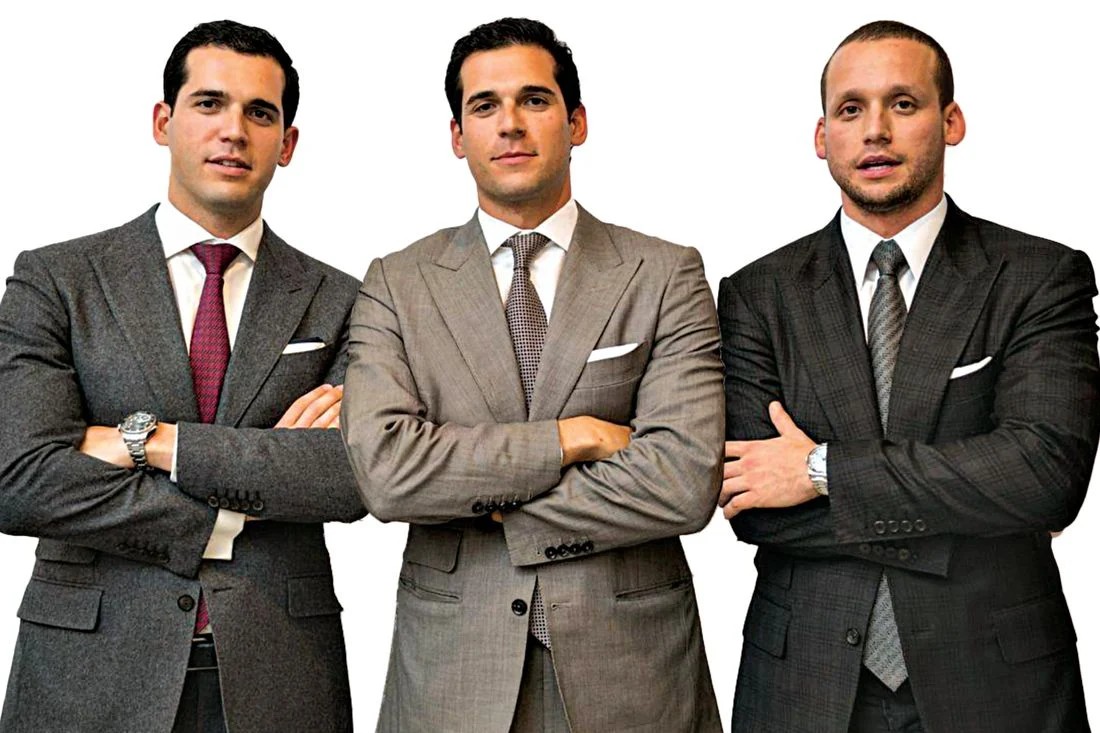
The meteoric rise of the Alexander brothers—Oren, Tal, and Alon—through the upper echelons of global luxury real estate stands as one of the most glaring examples of how extreme wealth, hyper-aggressive sales culture, and systemic enablement can shield predators from accountability. For nearly two decades, the brothers operated at the absolute pinnacle of Manhattan and Miami property markets, orchestrating multi-million-dollar transactions for celebrities, billionaires, and high-profile executives. Yet, beneath the meticulously curated veneer of private jets, glossy magazine spreads, and billion-dollar sales records lay a persistent, decades-long trail of sexual assault and abuse allegations that were systematically ignored, minimized, or buried by an industry reluctant to disrupt its own profit margins.

The trajectory of the Alexander brothers culminated in federal courtrooms and prison sentences, exposing a dark underbelly of luxury brokerages where toxic masculinity and aggressive deal-making were rewarded above all else. Their story became the subject of intense media scrutiny, eventually inspiring a three-part Peacock docuseries titled The Wolves of Real Estate, produced by Vox.
Foundations of Aggression: The South Florida Upbringing
The blueprint for the brothers’ aggressive business tactics and alleged predatory behavior was forged long before they ever stepped foot in a Manhattan boardroom. Raised in Bal Harbour, an affluent enclave on the northern tip of Miami Beach, Oren, Alon, Tal, and their brother Niv grew up surrounded by high-stakes ambition. Their parents, Shlomy and Orly Alexander, founded Kent Security in the early 1980s, growing it into one of the largest security contractors in South Florida. Kent secured gated communities, high-profile events, and municipal buildings, operating with a notoriously cutthroat corporate ethos. Former employees frequently described an environment where intimidation, disregard for labor laws, and a relentless "us versus them" mentality were normalized.

During teenage years spent at Michael M. Krop Senior High School in North Miami, the brothers cultivated reputations as social elites and campus bullies. While they enjoyed the trappings of South Florida’s wealthy jet-set culture, they often harbored resentment that their family wealth did not match that of the ultra-rich families they socialized with. Classmates and community members frequently warned peers—particularly young women—to exercise extreme caution around the Alexanders at parties, cautioning them never to leave drinks unattended.
As early as the early 2000s, rumors of sexual misconduct began to circulate. Multiple women later came forward detailing allegations from their teenage years, including incidents involving drugging, gang assaults, and physical coercion. Despite school guidance counselors, local residents, and even police reports flagging various incidents, the family’s social standing and perceived untouchability shielded the brothers from legal consequences, leaving victims isolated and ignored.

Ascent in New York and the Rise of the A-Team
Following their high school years and college stints, Oren and Alon migrated to New York to join Tal, who had already established a downtown rental brokerage. The brothers leveraged a crucial familial connection when Shlomy Alexander developed an extravagant spec home on Indian Creek Island in Miami. During a site tour, Shlomy and Oren met Howard Lorber, the powerful chairman of Prudential Douglas Elliman. This introduction served as Oren’s gateway into Douglas Elliman, propelling him from low-level rental agent to the luxury market.
By the early 2010s, New York real estate was rebounding from the Great Recession, coinciding with the cultural rise of the "celebrity broker." Although Oren auditioned for Bravo’s reality television series Million Dollar Listing New York but was ultimately passed over for lacking sufficient charisma, the brothers quickly built their own brand of celebrity. In 2012, after orchestrating a record-breaking $47 million sale of their father’s Indian Creek spec home—with commissions collected from both buyer and seller—Oren and Tal officially launched the Alexander Group, colloquially known as the "A-Team."

The A-Team became synonymous with ultra-luxury transactions, catering to newly minted millionaires, high-profile athletes, and international billionaires. Their client roster eventually included major cultural figures such as Kim Kardashian, Kanye West, Jared Kushner, Ivanka Trump, and hedge-fund billionaire Ken Griffin, for whom they brokered a record-shattering $240 million penthouse purchase at 220 Central Park South in 2019.
A Culture of Impunity and Institutional Blindness
Throughout their ascent, rumors regarding the brothers’ predatory behavior followed them from Miami to Manhattan. Multiple women alleged that they were drugged, assaulted, or cornered by the Alexanders at private parties, clubs, and residential properties. Prominent figures within the real estate industry, including fellow brokers and executives, were repeatedly exposed to whispers, warnings, and direct accounts of sexual misconduct.

Despite these red flags, Douglas Elliman leadership and industry peers largely looked the other way. The brothers’ astronomical gross commissionable income made them functionally immune to institutional discipline. In an industry driven by cutthroat competition and massive financial returns, high-producing agents were routinely protected by a corporate shield of deniability. Even when victims attempted to speak out—such as through an anonymous 2009 blog post detailing a high school assault—the Alexanders aggressively deployed legal threats and public relations campaigns to suppress the information, while corporate executives allegedly directed victims away from pursuing complaints.
Even as the #MeToo movement brought down numerous high-profile figures across various industries, the Alexanders continued to thrive. In 2022, seeking an even greater share of elite profits, Oren and Tal left Douglas Elliman alongside other defectors to launch Official, an ultra-luxury brokerage tailored exclusively to the top one percent of wealth holders.

Reckoning, Legal Fallout, and Convictions
The illusion of invulnerability finally shattered in early 2024, when civil lawsuits filed by initial survivors Kate Whiteman and Rebecca Mandel exposed years of hidden abuse. Published reports by real estate trade media outlets and mainstream investigative journalists opened the floodgates. Dozens of additional women stepped forward with corroborating accounts of assault, bringing the total number of accusers to staggering proportions, and prompting federal investigations by the FBI.
As public scrutiny intensified, Oren and Tal hastily stepped down from Official, and subsequent lawsuits implicated Alon in multiple historical assaults. Defense attorneys representing the brothers maintained that all past relationships were consensual and vowed to fight the allegations in court. However, the accumulation of evidence, combined with a tidal wave of public testimonies from former classmates, colleagues, and victims, proved insurmountable.

In subsequent legal proceedings, the judicial system systematically dismantled the protective walls that had shielded the family for decades. In October 2026, Oren, Tal, and Alon Alexander were found guilty on multiple counts of sex trafficking and sexual assault. Each brother was sentenced to 30 years in federal prison, effectively ending the reign of the industry’s most notorious power brokers.
Broader Implications and Industry Legacy
The downfall of the Alexander brothers serves as a watershed moment for the global luxury real estate sector. The scandal exposed profound governance failures within top-tier brokerages, highlighting how financial performance has historically been prioritized over human safety and ethical standards.

Industry analysts and legal experts have pointed to the case as a critical warning for corporate leadership regarding the dangers of enabling high-revenue producers under a culture of silence. Moving forward, major real estate firms face increased pressure to overhaul internal compliance protocols, enforce zero-tolerance harassment policies, and dismantle the systemic complicity that historically allowed powerful actors to operate with absolute impunity.