
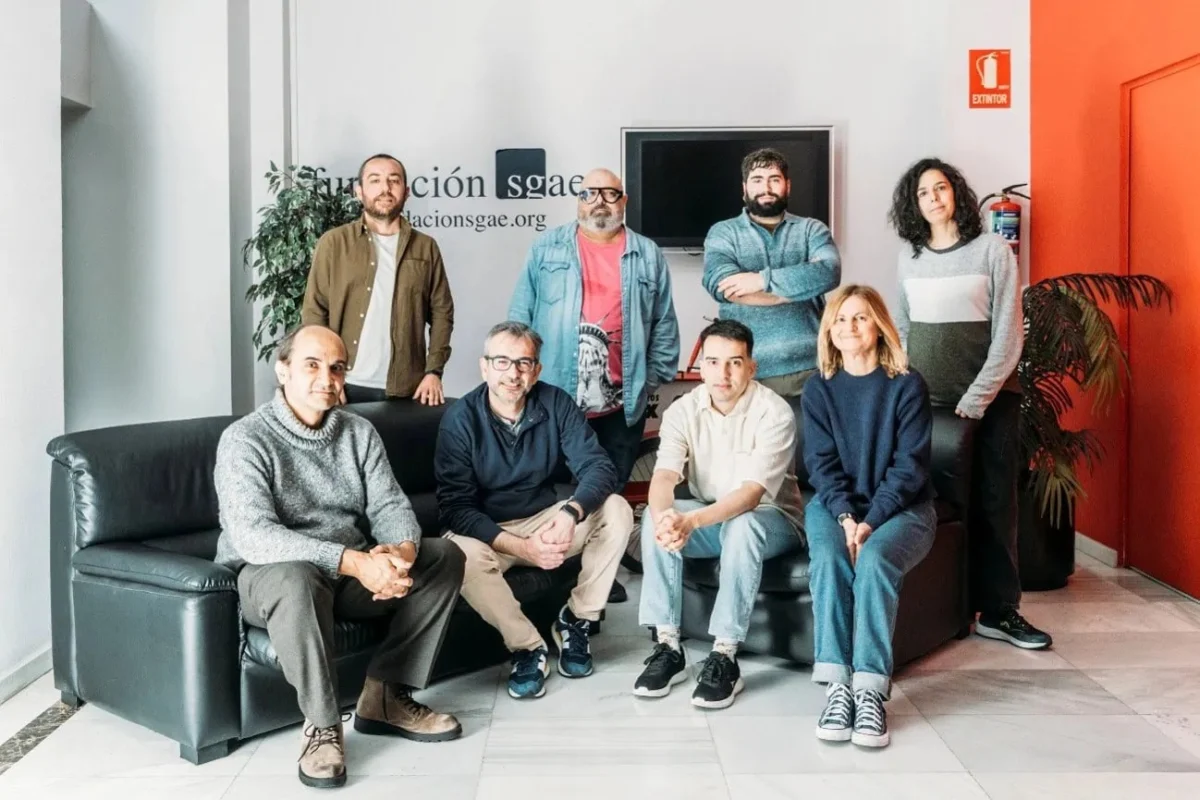
The sixth edition of Iberseries & Platino Industria, currently underway in Madrid, has solidified its position as the premier bridge for the Ibero-American audiovisual sector. As the week progresses, the spotlight has shifted to the presentation of six original series projects, the result of a high-level creative collaboration between seven screenwriters and the Fundación SGAE, Spain’s preeminent collective management organization for intellectual property rights. This initiative, scheduled for a formal presentation on Thursday, Oct. 1, represents more than just a pitching session; it serves as a critical junction for producers, international buyers, and global investors to engage with the next generation of Spanish-language content.
The Evolution of Iberseries & Platino Industria
Since its inception, Iberseries & Platino Industria has evolved into a strategic hub for the Ibero-American film and television industry. The event was conceived to address the fragmentation often found within the Spanish and Latin American markets by providing a centralized marketplace for co-productions, distribution deals, and talent development.
The current edition is characterized by an emphasis on sustainable growth and intellectual property protection—areas where the Fundación SGAE plays a pivotal role. By sponsoring the development of these six projects, the organization is not only supporting creative freedom but also ensuring that writers are equipped with the legal and industry framework necessary to navigate a global market dominated by streaming platforms and multinational production houses. The event serves as a vital networking conduit, facilitating the kind of face-to-face interactions that have become increasingly rare in a digitally saturated market, yet remain essential for high-stakes deal-making.
Chronology and Strategic Objectives
The journey toward this week’s pitch began months ago, following a rigorous selection process that scrutinized dozens of submissions for narrative strength, commercial viability, and cultural resonance. The selected projects were developed under the guidance of industry veterans, ensuring they met international production standards while retaining the unique "Ibero-American voice" that has recently seen immense success on global platforms like Netflix, Amazon Prime, and Movistar+.
The Thursday pitch session is structured to provide each screenwriter with a platform to detail the financing, production needs, and distribution potential of their series. Organizers emphasize that the objective is threefold: to foster local production capacity, to secure necessary financing through international partnerships, and to enhance the global reach of fiction projects that might otherwise struggle to gain visibility outside their domestic markets.
In-Depth Look at the Selected Projects
The six projects selected for this year’s showcase reflect a diverse array of genres and themes, ranging from socio-political commentary to speculative fiction and period satire.
1. La librera (Virginia Burgos and Juan Sánchez)
Set in the early 1990s, this drama follows a woman who establishes the first LGBT bookstore in Spain. The narrative spans several decades, charting the business’s transition from a safe haven to a political nexus for the community. The core conflict arises when the neighborhood undergoes gentrification and demographic shifts, prompting the protagonist to confront the obsolescence of her life’s work. The project serves as a historical document of the struggle for civil rights in post-transition Spain.
2. Avión (Miguel Cavadas)
Focusing on the Galician village of Avión, this project explores the phenomenon of migration and its lasting impact on rural identity. The series examines the stark contrast between the winter months, marked by rural precarity and an aging population, and the summer, when the village is transformed by the return of successful expatriates from Mexico. The narrative serves as a meditation on the collision of two worlds: the traditional community values of the Galician countryside and the individualistic, high-stakes wealth associated with the diaspora.
3. El capricho (Alberto Grondona)
This satirical historical comedy targets the 18th-century Spanish court. By centering on the power struggle between Queen María Luisa of Parma and the influential Duchesses of Alba and Osuna, the project uses the "male gaze" of Francisco de Goya—who acts as an uneasy witness—to deconstruct the political instability of the era. The series is positioned as a sophisticated look at power, influence, and the fragility of a state on the brink of collapse, rendered through a lens of biting irony.
4. Teléfonos fijos (Ángel Mirou)
Leaning into the speculative thriller genre, this project is set in the Recalde neighborhood of Bilbao. The plot centers on a series of inexplicable phone calls received on landlines in the middle of the night, with callers claiming to be deceased loved ones. The series probes the thin line between technological fraud and the supernatural, forcing a community to question their reality in an era where artificial intelligence and deep-fakes have made the concept of objective truth increasingly malleable.
5. La edad menor (Roberto Osa)
This dystopian drama proposes a chilling inversion of societal roles: in a future Madrid, children are legally required to serve as guardians for their parents. The story follows María as she attempts to save her mother from a mandatory process of infantilization. The project explores themes of generational conflict, the ethics of care, and the loss of autonomy, framing these intimate struggles against a backdrop of institutional control.
6. Trueque (Pedro Pablo Picazo)
A dark comedic take on domestic life, Trueque follows three sets of friends who, exhausted by the challenges of raising teenagers, decide to swap their children. The project functions as a critique of contemporary parenting and the often-misguided belief that "the grass is greener" in another household. The series promises to highlight the absurdity of suburban life and the unforeseen consequences of trying to micromanage the development of the next generation.
Industrial Impact and Market Analysis
The inclusion of these projects in the Iberseries & Platino Industria lineup highlights a broader shift in the Ibero-American market toward high-concept, serialized content. Industry analysts note that production budgets for Spanish-language series have increased significantly over the last five years, driven by the need for platforms to retain domestic audiences while exporting content to Latin America and the United States.
Data from the European Audiovisual Observatory suggests that co-production activity between Spain and Latin American nations has grown by approximately 15% annually since 2020. This growth is largely attributed to the harmonization of tax incentives and the professionalization of local production clusters. Events like Iberseries are essential in this ecosystem because they provide the necessary data and networking opportunities that allow independent creators to align their creative visions with the rigorous demands of global distribution partners.
Broader Implications for the Creative Sector
The collaboration between Fundación SGAE and the industry professionals present in Madrid serves as a model for how collective management organizations can support the arts beyond the simple administration of royalties. By providing the intellectual property frameworks necessary to pitch these projects safely, they enable creators to retain a higher degree of control over their work in an increasingly consolidated media environment.
For the international buyers attending the sessions, these six projects offer a unique value proposition: they are already vetted, structured for development, and rooted in the cultural specificity that global audiences currently crave. Whether it is the historical inquiry of El capricho or the technological paranoia of Teléfonos fijos, these stories are designed to transcend their local contexts and address universal themes of power, family, and identity.
As the week concludes, the industry will be watching closely to see which of these projects secures the production partnerships necessary to reach the screen. Regardless of individual outcomes, the presence of these projects in Madrid underscores the resilience and ongoing innovation of the Ibero-American creative class, proving that even in a highly competitive global market, original, locally-rooted storytelling remains the industry’s most valuable currency.