The political landscape of the United States shifted unexpectedly on November 3, 2026, when sweeping Democratic victories in historically conservative strongholds such as Texas and Kansas triggered a massive wave of jubilation across digital platforms. This sudden political turnaround did not merely spark traditional partisan celebrations; instead, it acted as a cultural catalyst, resurrecting a very specific, hyper-nostalgic aesthetic that the internet has spent the past year attempting to define: "millennial optimism."
Within hours of the election results, social media timelines were flooded with cultural touchstones from the late 2000s and early 2010s. Users began dusting off the original Hamilton soundtrack, sharing clips of Obama-era milestones, trading vintage digital camera aesthetics, and blasting anthems like fun.’s "We Are Young." According to search engine analytics, the phrase "millennial optimism" experienced a breakout surge, skyrocketing over 5,000 percent on Google in less than twenty-four hours. For millions of millennials and older Gen Z users, these collective digital expressions represent more than just a political victory—they signal a rare, emotionally charged return of a long-dormant psychological state characterized by forward-looking hope, civic engagement, and unbridled idealism.
The Anatomy of a Digital Nostalgia Wave
Long before the ballot boxes closed on November 3, the concept of millennial optimism had already established a firm grip on platforms like TikTok and X (formerly Twitter). Over the preceding year, younger internet users had cultivated a pervasive micro-trend dedicated to romanticizing the cultural climate of the late 2000s and early 2010s.
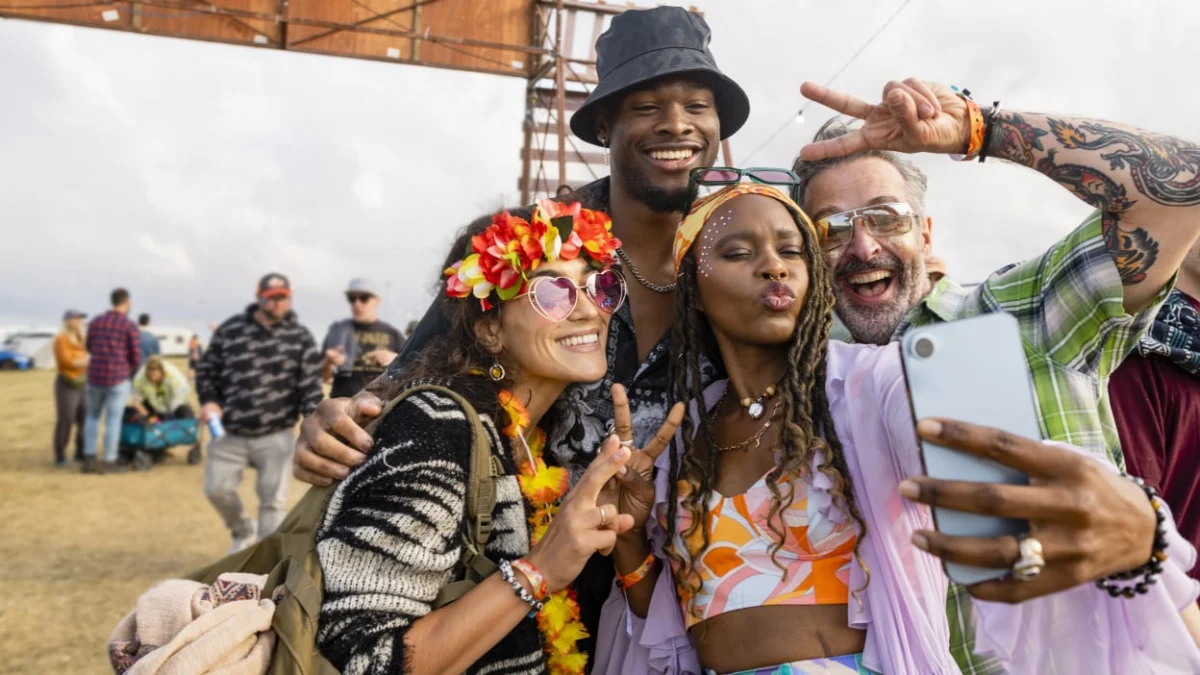
This digital subculture is visually anchored in a distinct era of consumer technology and fashion. Trend-focused videos frequently feature Apple Photo Booth selfies, heavy reliance on Instagram filters from 2012, statement necklaces, flower crowns, mustache motifs, and indie-folk soundtracks like The Lumineers or The Middle East’s 2009 track "Blood," all piped through tangled wired earbuds.
However, cultural analysts note that the fascination with this era extends far deeper than mere fashion or retro playlists. It touches on a profound psychological longing. For many older members of Generation Z who were children during the administration of Barack Obama, this period represented an aspirational chapter of history. They witnessed the cultural and political discourse in real-time, even if they were not yet old enough to actively participate in it. Consequently, they absorbed a narrative of historical progress, technological connectivity, and social change that ultimately felt like a promised future that failed to materialize amid subsequent political polarization and economic hardship.

By packaging these memories into short-form video content, users attempted to reconstruct an imagined young adulthood characterized by community, collective purpose, and the belief that structural problems could be systematically solved. When the 2026 midterm results rolled in, revealing unexpected blue shifts in deep-red territory, that manufactured nostalgia abruptly transformed into a tangible reality for millions of voters.
Election Night Chronology and the "Blue Tsunami"
The political mechanics driving this cultural explosion unfolded rapidly on Tuesday, November 3, 2026. As initial precinct reporting began to stream in from across the country, political pundits and statisticians quickly realized that conventional voting models were failing to capture shifting electoral dynamics.
By midnight, key legislative battlegrounds in states traditionally dominated by the Republican Party began reporting major Democratic pickups in both state-level races and congressional contests. Turnout metrics indicated a massive mobilization of younger voters, suburban moderates, and progressive organizers who successfully capitalized on local economic discontent and reproductive rights advocacy.
As news networks officially projected a "blue tsunami" that secured Democratic control of both the House of Representatives and the Senate, the digital reaction was instantaneous. Social media platforms transformed into virtual town squares where political elation instantly merged with pop-culture remembrance.
One viral X post from Austin, Texas, captured a post-election club celebration where crowds chanted political slogans against the backdrop of late-2000s pop anthems. Other users humorously suggested that Lin-Manuel Miranda be commissioned to write a new civic anthem, directly tying the resurgence of Broadway-centric political enthusiasm back to the cultural hegemony of the early Obama administration. Even legacy corporate accounts joined the fray; BuzzFeed briefly teased a temporary color scheme shift to blue, prompting a fresh wave of replies from users declaring that the definitive cultural markers of 2012 were officially back in business.
Contextualizing the Past: Reconciling Hope and Hardship
While the prevailing digital narrative paints the late 2000s and early 2010s as a golden age of unblemished optimism, historians and sociologists emphasize that the reality of that era was far more complex.

Millennials coming of age during the 2008 financial crisis faced severe economic headwinds, including unprecedented levels of student loan debt, a stagnant job market, a delayed housing market entry, and systemic underemployment. The optimism of the Obama era was frequently tempered by acute financial anxiety and structural precarity.
Yet, the emotional resonance of that period—distinguished by mass social movements, technological connectivity before the rise of hyper-algorithmic polarization, and a shared belief in civic participation—remains a powerful psychological anchor. For a generation that subsequently navigated a decade of intense political division, pandemic disruptions, and economic instability, revisiting the cultural products of their formative years offers a coping mechanism and a psychological reset.
Implications and the Road Ahead
The sudden spike in "millennial optimism" following the 2026 midterms raises important questions about the durability of political enthusiasm and its transition into concrete legislative action.
Political scientists caution that while cultural moments and viral internet trends can successfully drive voter mobilization and energize party bases, they do not automatically translate into long-term policy success or permanent shifts in the American electorate. The challenges facing the newly empowered congressional majority—ranging from inflation and housing affordability to complex foreign policy issues—will require rigorous governance that extends far beyond viral memes and nostalgic playlists.
Nevertheless, the cultural phenomenon observed in November 2026 underscores the profound role that digital culture plays in modern political psychology. By leveraging shared touchstones of the past, younger voters have demonstrated an ability to construct powerful collective narratives of hope. Whether this revived sense of millennial optimism can survive the pragmatic realities of governing will depend entirely on how effectively political leaders can channel this grassroots energy into lasting legislative achievements in the months and years to come.