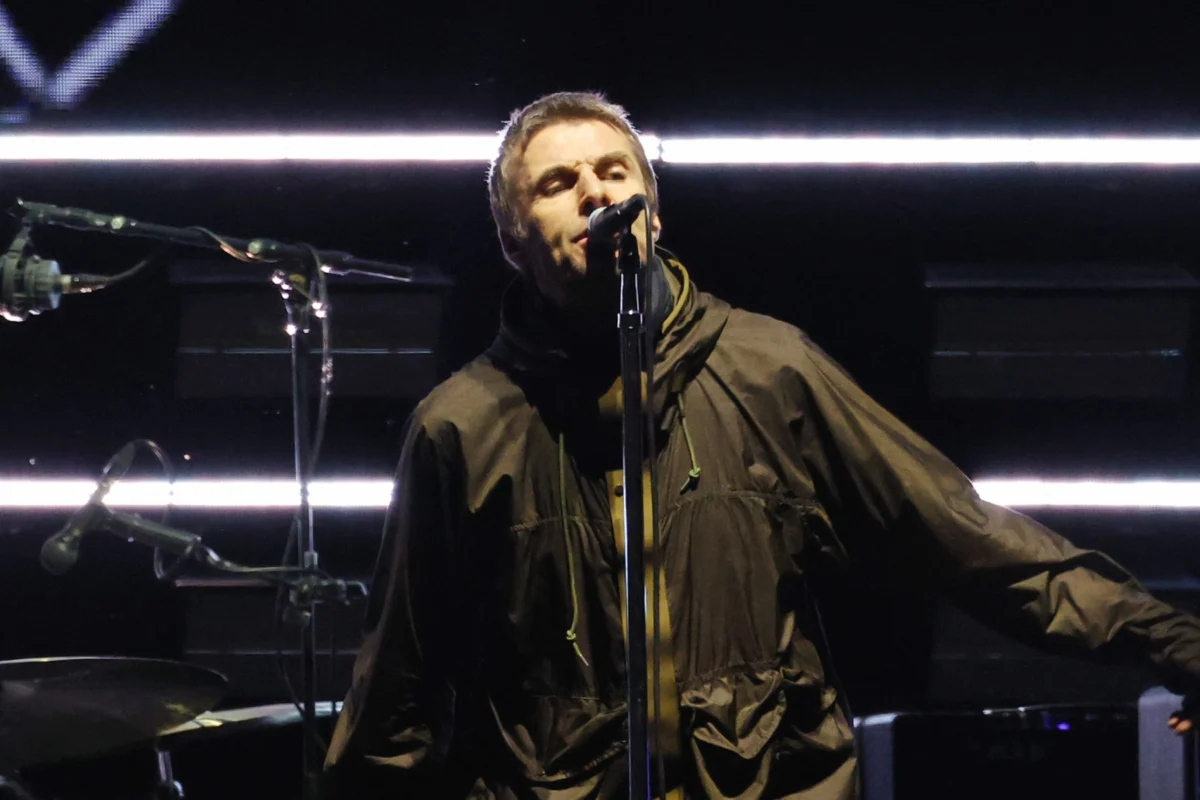
The 2026 FIFA World Cup final between Spain and Argentina, held at the New York New Jersey Stadium, was designed to be the most significant sporting and cultural event of the decade. While the match itself promised a historic clash between two footballing giants, the ambitious halftime entertainment suite became a primary talking point for global audiences. Among the most vocal critics of the spectacle was Liam Gallagher, the former Oasis frontman, who utilized his platform on X (formerly Twitter) to express his profound distaste for the multi-artist production. Gallagher, known for his unfiltered commentary and deep-seated connection to English football culture, likened the high-concept performance to a "bad trip," sparking a wider conversation regarding the intersection of pop music and global sporting traditions.
The halftime show was a logistical marvel, featuring an eclectic lineup that included Madonna, Justin Bieber, BTS, Shakira, Burna Boy, and the Muppets, with orchestral accompaniment led by renowned conductor Gustavo Dudamel. Despite the star power assembled on the pitch, Gallagher’s reaction suggested that the sensory overload of the production was at odds with the traditional atmosphere of a World Cup final. Writing to his millions of followers, the musician stated, “This is like a bad trip. It’s a good job I’ve got my spiritual socks on or that halftime entertainment could have tipped me over the edge.” The comment quickly went viral, resonating with a segment of the football fanbase that remains skeptical of the "Super Bowl-ification" of the FIFA World Cup.
A Maximalist Production in East Rutherford
The halftime show commenced with a high-octane entrance by Madonna, who remains a central figure in the global pop landscape. In a nod to the host nation’s penchant for celebrity-driven spectacle, the "Queen of Pop" was transported through the stadium’s underground service tunnels in a customized golf cart. The vehicle was driven by Brazilian football legends Ronaldo and Ronaldinho, a move intended to bridge the gap between the sport’s history and contemporary entertainment. Madonna performed a high-energy medley that included a reimagined version of her 2000 hit "Music," followed by "Danceteria," a lead single from her latest studio effort, Confessions II.
The transition from Madonna to the next segment of the show was rapid, a hallmark of the production’s "variety show" approach. South Korean boy band BTS made a brief but impactful appearance, performing a choreographed segment of their global chart-topper "Dynamite." This was followed by a surreal crossover between sports fiction and reality. Actor Jason Sudeikis appeared on the pitch in character as Ted Lasso, the protagonist of the popular streaming series centered on an American coach in the English Premier League. Sudeikis was joined by Brendan Hunt, who plays Coach Beard, to deliver a comedic "pep talk" to Justin Bieber. The meta-narrative moment led into Bieber’s performance of "Everything Hallelujah," a track that has dominated streaming platforms in recent months.
The global nature of the tournament was further emphasized through a collaboration between Colombian superstar Shakira and Nigerian Afrobeats pioneer Burna Boy. The duo performed "Dai Dai," a track infused with polyrhythmic beats and Latin influences, designed to celebrate the diverse cultures participating in the expanded 48-team tournament. The segment concluded with a poignant performance by the PS 22 Chorus, a choir of elementary students from Staten Island. They were joined by Coldplay frontman Chris Martin for a rendition of "We Dance," a song specifically written by the band for the tournament’s closing festivities.
The Context of Gallagher’s Critique
Liam Gallagher’s dismissive remarks cannot be viewed in isolation from the tournament’s broader narrative. Throughout the 2026 World Cup, Gallagher had been a prominent supporter of the England national team, which saw a resurgence in form during the knockout stages. The Oasis classic "Wonderwall" had been adopted as the squad’s unofficial anthem, with fans and players alike singing the track after key victories. Gallagher had actively encouraged this association, frequently posting "Cmon England cmon Wonderwall" on social media.
However, England’s journey ended in a narrow defeat during the semi-finals, an outcome that prevented the "Three Lions" from facing Argentina in the final. For Gallagher, the disappointment of England’s exit likely colored his perception of the final’s festivities. His critique of the halftime show as a "bad trip" reflects a traditionalist view of football, where the focus remains strictly on the pitch rather than the surrounding commercial pageantry. The term "bad trip" suggests a sense of disorientation and aesthetic overload, contrasting sharply with the gritty, rock-and-roll persona Gallagher has maintained throughout his career.
Technical and Artistic Ambition vs. Audience Reception
The 2026 halftime show was a departure from previous FIFA World Cup protocols. Historically, the tournament has featured relatively modest musical performances compared to the NFL’s Super Bowl. However, with the 2026 games being hosted across North America, FIFA officials sought to elevate the entertainment value to match the scale of the expanded tournament. The production involved over 2,000 performers, including dancers, orchestral musicians under Dudamel, and technical crews managing complex pyrotechnics and augmented reality displays.
Industry analysts suggest that the "maximalist" approach was a strategic move to capture the attention of the American market and younger demographics who consume content via short-form social media clips. By including acts like BTS and Burna Boy alongside legacy artists like Madonna, the organizers aimed for a "something for everyone" appeal. Yet, as Gallagher’s reaction demonstrates, this approach risks alienating core football enthusiasts who find the interruption of the match’s tension to be intrusive.
The inclusion of the Muppets and the Ted Lasso cast further blurred the lines between a serious sporting competition and a televised variety special. While these elements were praised by some for their whimsy and cross-generational appeal, critics argued that they contributed to the "disorienting" nature of the show that Gallagher highlighted.
The Oasis Factor and Future Ventures
Liam Gallagher’s public profile is currently at a multi-decade high, fueled not only by his commentary on the World Cup but also by the impending release of a major documentary regarding the legacy of Oasis. Titled Don’t Look Back in Anger, the film is scheduled for a September release and is expected to provide an intimate look at the Gallagher brothers’ tumultuous relationship and their eventual path toward a professional reconciliation.
Produced by Steven Knight, the creator of Peaky Blinders, and directed by the duo of Dylan Southern and Will Lovelace, the documentary has been described as a definitive account of the band’s cultural impact. The film’s release in IMAX and traditional cinemas, followed by a global streaming debut on Hulu and Disney+, indicates the enduring commercial power of the Gallagher brand. Liam’s outspoken nature during the World Cup serves as a reminder of his role as a cultural provocateur, a position that has remained unchanged since the height of Britpop in the 1990s.
Broader Implications for FIFA and Global Sports
The polarized reaction to the 2026 World Cup halftime show raises questions about the future of entertainment in global sports. As FIFA continues to expand its commercial footprint, the pressure to deliver "spectacle" alongside "sport" will only increase. The 2026 final served as a test case for whether the Super Bowl model can be successfully exported to a global football audience.
While the ratings for the halftime show were among the highest in television history, the "cultural friction" identified by figures like Gallagher suggests a divide in how fans perceive the sanctity of the game. For many, the World Cup final is a somber, high-stakes event where the halftime interval is a period for tactical analysis and nervous anticipation, not a 15-minute pop concert featuring golf carts and puppets.
As the dust settles on the 2026 final, the debate over the "bad trip" halftime show will likely influence the planning for the 2030 centenary tournament. Whether FIFA will lean further into Hollywood-style productions or return to a more understated, football-centric celebration remains to be seen. For now, Liam Gallagher’s "spiritual socks" have become an unlikely symbol of the resistance against the total commercialization of the "beautiful game."
The 2026 tournament concluded with Spain securing their second title in a thrilling 2-1 victory over Argentina, but the conversation surrounding the event’s cultural presentation continues. Gallagher’s comments, while brief, encapsulate a broader skepticism regarding the evolution of sports entertainment in the digital age, where the line between a football match and a global media event continues to thin.