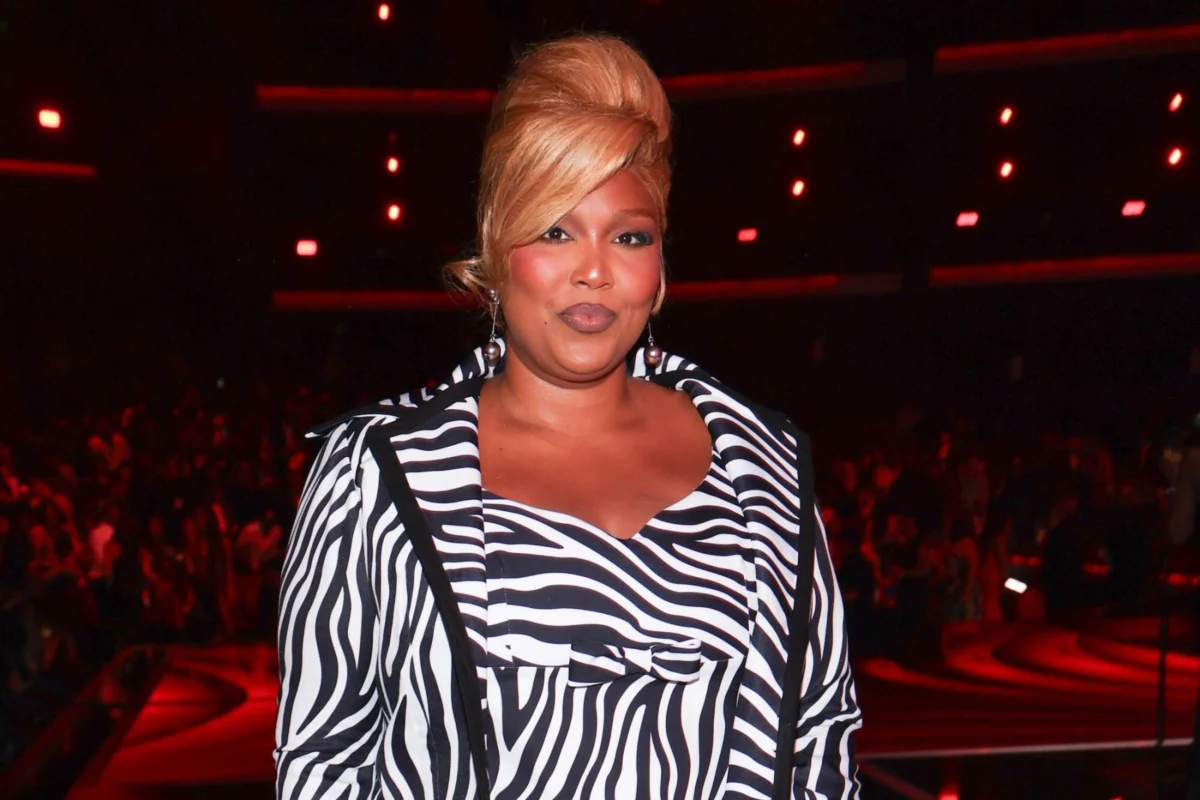
The convergence of pop culture and country heritage took center stage this Halloween as singer-songwriter Lizzo unveiled an elaborate homage to the legendary Dolly Parton. The 38-year-old artist, known for her high-production visuals and musical versatility, transformed herself into a living replica of Parton during her iconic 1973 "Jolene" era. This tribute, shared across social media platforms, served as both a festive costume display and a poignant acknowledgement of a collaborative professional relationship that has spanned the last two years.
The Aesthetics of the Tribute
Lizzo’s commitment to the character was evidenced by a meticulous recreation of Parton’s signature 1970s aesthetic. Central to the costume was a skin-tight yellow jumpsuit adorned with intricate floral embroidery, a direct nod to the visual motifs found on the original single artwork for "Jolene," which remains one of the most recognizable covers in country music history. The ensemble was completed by a voluminous, platinum blonde wig styled in the high-teased fashion characteristic of Parton’s peak aesthetic years.
The display went beyond mere photography. In a video shared with her followers, Lizzo lip-synced to Parton’s 1967 anthem "Dumb Blonde," a track that has served as a feminist touchstone regarding the perception of female artists. By performing the lyrics, "Just cause I’m blonde, don’t think I’m dumb, ’cause this dumb blonde ain’t nobody’s fool," Lizzo utilized the platform to draw a thematic bridge between the trailblazing autonomy Parton established in the country music industry and her own career trajectory.
A Professional History: From Collaboration to Commemoration
The roots of this tribute extend well beyond seasonal festivities. The connection between the two artists was solidified in 2023 when Lizzo was invited to contribute to Parton’s ambitious studio album, Rockstar. The album, which saw the country legend pivoting toward the rock genre, featured an array of high-profile collaborations.
Lizzo’s specific contribution—playing the flute on a reimagined version of Led Zeppelin’s "Stairway to Heaven"—marked a significant cross-genre moment. According to statements made by Lizzo, this collaboration occurred at a time when she was facing intense public scrutiny and professional isolation. In her social media commentary, she emphasized the significance of the invitation: "In 2024 when the world turned its back on me, Dolly Parton asked me to play flute on her album. I, of course, said ‘hell yes’ and my only ask was that she credit Sasha Floot as well."
This gesture of support from a multi-generational icon like Parton served to anchor Lizzo’s recent expressions of gratitude. The physical manifestation of this bond was captured in the photos accompanying the Halloween costume, where Lizzo posed beside a framed gold certification plaque for the Rockstar album, underscoring the commercial and artistic validity of their shared work.
Cultural Context and Industry Reaction
The response to the costume was immediate, reflecting the high regard in which both artists are held within the music industry. Fellow artist SZA offered public praise in the comments section of the post, noting, "How is everything u do perfect," a sentiment that was echoed by fans and cultural critics alike.

From a professional standpoint, the tribute highlights the enduring influence of Dolly Parton’s brand. Parton, now in her late 70s, has maintained a unique position in the global music industry, balancing traditional country roots with a savvy, modern approach to cross-genre collaboration. By aligning herself with Parton, Lizzo is not merely participating in a Halloween tradition; she is engaging in a deliberate act of image-building that associates her own career with the longevity, integrity, and resilience that define the Parton legacy.
Analysis: The Evolution of the "Halloween Costume" as PR
In the modern entertainment landscape, the celebrity Halloween costume has evolved into a strategic PR asset. It allows artists to showcase their knowledge of pop culture history while humanizing their brand. Lizzo’s decision to adopt the "Jolene" look is part of a broader trend of "referential performance."
Unlike static photos, Lizzo’s use of video and historical context—referencing the 1967 release of "Dumb Blonde"—demonstrates a deep familiarity with the discography of her inspiration. For an artist who has faced significant turbulence in the public eye over the last 24 months, these displays of reverence toward established icons function as a form of cultural shorthand. It signals to the audience that the artist remains grounded in the history of the medium, even while navigating the complexities of modern fame.
Broader Halloween 2026 Activities
Lizzo’s commitment to the holiday was not limited to the Parton tribute. As part of a multi-costume celebration for 2026, she also adopted the persona of Seiko Ayase from the Japanese anime series Dandadan. This choice highlights the breadth of her interests and her appeal to a younger, digitally native demographic. By oscillating between the classic Americana of Dolly Parton and the contemporary aesthetic of modern anime, Lizzo demonstrates a versatility that keeps her brand dynamic.
Implications for Future Collaborations
The narrative surrounding the Rockstar collaboration—specifically the mention of "Sasha Floot," the persona Lizzo uses for her musical performances—reveals a focus on artistic credit and professional respect. The fact that Parton accommodated the request to credit the flute persona suggests a collaborative environment built on mutual respect.
The implications for this relationship are clear: the endorsement from Parton serves as a "seal of approval" that remains powerful in the music industry. As Lizzo continues to navigate the next phase of her career, the association with a figure as universally beloved as Dolly Parton provides a stable foundation. The "Jolene" tribute, therefore, is more than a seasonal whim; it is a calculated and heartfelt reinforcement of an alliance that has provided the artist with both professional validation and personal solace.
Conclusion
As the 2026 Halloween season concludes, the industry will look back on Lizzo’s portrayal of Dolly Parton as one of the most resonant displays of celebrity homage. It successfully combined high-fashion execution, historical musical literacy, and a deeply personal narrative of gratitude. In doing so, Lizzo has managed to synthesize her own identity with that of a cultural titan, ensuring that the legacy of "Jolene" continues to reach new generations while simultaneously reinforcing her own place within the pantheon of contemporary musical talent.
The lasting takeaway from this interaction remains the power of the "icon" in the digital age. By publicly thanking Parton for "believing in the good of humanity," Lizzo has successfully shifted the focus from the transient nature of celebrity gossip to the enduring power of musical mentorship. In an industry often defined by volatility, such displays of professional loyalty are both refreshing and strategically sound, suggesting that for both artists, the connection between "H-Town" and "Nashville" remains a vital, ongoing creative dialogue.