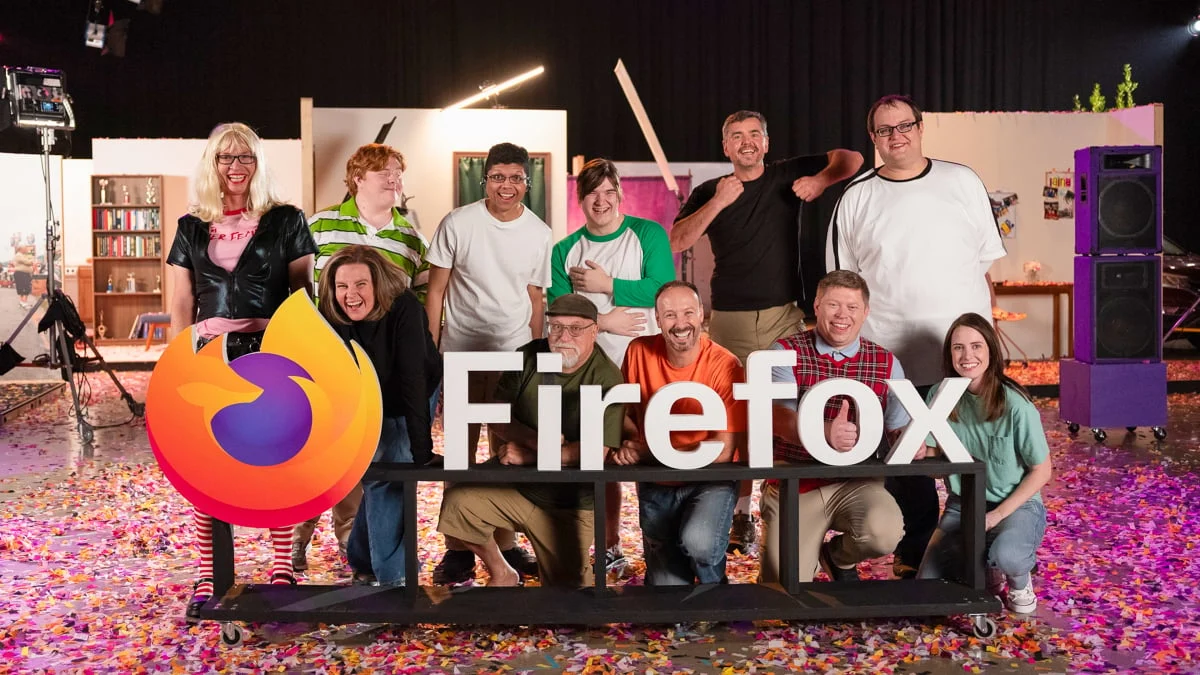
The modern digital landscape is increasingly dominated by hyper-monetized algorithms, aggressive user surveillance, and an unceasing integration of artificial intelligence features. For many internet veterans, the contemporary web bears little resemblance to the chaotic, decentralized, and often whimsical digital frontier of the late 2000s and early 2010s. In response to this widespread fatigue with modern web browsers that track user behavior and force unsolicited AI tools onto consumers, Mozilla has launched a high-profile, nostalgia-fueled marketing campaign designed to reposition its Firefox browser as an antidote to Big Tech overreach.
Titled "Come Back to Firefox," the new advertising initiative taps directly into the collective memory of a generation that came of age during the formative years of social media and viral video. To bridge the gap between past and present, Mozilla has enlisted a roster of genuine internet legends from that era—real people whose faces defined the golden age of memes before corporate algorithms and monetization strategies fundamentally altered the user experience.
A Nostalgic Return to the Golden Age of the Web
The campaign opens with Gary Brolsma, globally recognized as the "Numa Numa Guy," whose webcam lip-sync to a Moldovan pop song became one of the internet’s earliest viral sensations in 2004. Gazing into the camera with an expression of weary disbelief, Brolsma poses a question that resonates with millions of modern web users: "What happened to the internet? It used to be fun."
He is quickly joined by a parade of digital royalty who helped shape internet culture long before the era of algorithmic feeds and influencer economies. Laina Morris, better known as the "Overly Attached Girlfriend," makes an appearance, alongside Dane Boedigheimer’s persistent "Annoying Orange" and Tay Zonday, whose baritone rendition of "Chocolate Rain" captivated millions in 2007. The campaign also features the now-grown "Success Kid," Sammy Griner, whose clenched fist and determined expression symbolized triumph across countless message boards and social media platforms.
Significantly, Mozilla opted to feature these real-life personalities as they appear today, avoiding both AI-generated deepfakes and overly glossy studio styling. This creative choice underscores the campaign’s core message: authenticity, human connection, and a rejection of the sterile, automated environments currently promoted by dominant technology conglomerates.
The Evolution of the Browser Wars: From Peak Dominance to Niche Player
To understand the strategic intent behind Mozilla’s latest campaign, it is necessary to examine the historical trajectory of the browser market over the past two decades. Launched in 2004 by the Mozilla Foundation—a non-profit organization dedicated to keeping the web open and accessible—Firefox was initially celebrated as a triumph of open-source software over monopolistic stagnation. At the time, Microsoft’s Internet Explorer was deeply entrenched, but its security vulnerabilities and sluggish performance left a vacuum that Firefox eagerly filled.
Throughout the late 2000s and early 2010s, Firefox enjoyed a golden era of rapid growth and widespread adoption. By 2010, the browser commanded approximately 32 percent of the global market share, serving as the default gateway to the internet for hundreds of millions of users who valued speed, customizability, and adherence to web standards.
However, the subsequent rise of mobile computing fundamentally altered the competitive landscape. In 2008, Google introduced Chrome, a browser that leveraged the immense distribution power of the Android operating system and Google’s dominant search engine. Through aggressive pre-installation campaigns, rapid performance updates, and deep integration with Google’s expanding ecosystem, Chrome steadily eroded Firefox’s user base.
Today, the market dynamics look radically different. According to recent data from StatCounter, Google Chrome maintains an overwhelming majority of the global browser market share, hovering around 65 percent across all platforms when combined with other Chromium-based alternatives like Microsoft Edge and Brave. Meanwhile, Firefox’s estimated global market share has declined to approximately 2.8 percent. Despite this steep numerical decline, Mozilla maintains a dedicated user base and continues to operate as one of the few remaining independent entities capable of developing an independent web rendering engine, Gecko, free from Google’s Blink architecture.
Addressing Modern Pain Points: Privacy, AI Control, and Independence
Mozilla’s decision to lean into nostalgia is not merely an exercise in sentimental branding; it is a calculated response to growing consumer alienation with contemporary software design. In recent years, major tech companies have rushed to embed generative artificial intelligence tools directly into operating systems and web browsers. While proponents argue these features enhance productivity, critics and privacy advocates have raised substantial concerns regarding data harvesting, intrusive monitoring, and the lack of user consent.
Modern web browsers frequently track browsing habits, aggregate personal data for targeted advertising campaigns, and subject users to persistent prompts to utilize proprietary AI assistants. For privacy-conscious consumers, navigating the web has become increasingly burdensome.
Firefox has positioned its modern feature set as a direct counter-weight to these industry trends. The browser emphasizes privacy-centric engineering, offering built-in tracking protection that blocks third-party cookies and cross-site trackers by default. Furthermore, Mozilla has introduced features tailored to address contemporary digital anxieties, including a built-in virtual private network (VPN) integration for enhanced browsing privacy, an ad-blocking mobile experience, and explicit AI controls that allow users to toggle off unwanted artificial intelligence integrations entirely.
John Solomon, Mozilla’s Chief Marketing Officer, elaborated on the philosophy driving the "Come Back to Firefox" campaign in an official statement provided to media outlets.
"I kept going back to Firefox’s heyday, when the internet was really fun, weird, and interesting… That’s the feeling we wanted to bring back with this campaign," Solomon stated. "We wanted to remind people of what made the internet so wonderful in the first place. These are people who helped make it strange, creative, surprising, and fun. None of them were trying to go viral. They were normal, everyday people who were using the internet. That’s the way the internet should be and why we feel it’s a great moment for Firefox. Always independent and unlike big tech, not trying to extract more from everyday people."
Industry Implications and the Future of Independent Browsing
The launch of the "Come Back to Firefox" campaign highlights a broader philosophical schism within the technology sector regarding the future of the user experience. As tech giants face mounting regulatory scrutiny over antitrust practices, data privacy violations, and monopolistic control over digital infrastructure, independent platforms are increasingly highlighting their structural differences as a competitive advantage.
As a non-profit-backed organization, Mozilla is not beholden to corporate shareholders or ad-driven monetization models in the same manner as publicly traded technology giants. This structural independence allows the organization to prioritize user autonomy, open web standards, and data minimization over data extraction.
Whether a nostalgic marketing campaign featuring early-internet icons can meaningfully shift global market share away from heavily entrenched competitors remains to be seen. Consumer habits in the digital ecosystem are notoriously difficult to alter, particularly given the seamless synchronization between mobile devices and desktop browsers offered by ecosystem giants like Apple and Google.
Nevertheless, by tapping into a widespread cultural yearning for a simpler, less commercialized digital environment, Mozilla has successfully reignited a conversation about the direction of the modern web. For millions of users who remember an internet defined by grassroots creativity rather than corporate surveillance, the invitation to come back to Firefox may offer a welcome refuge from the automated status quo.