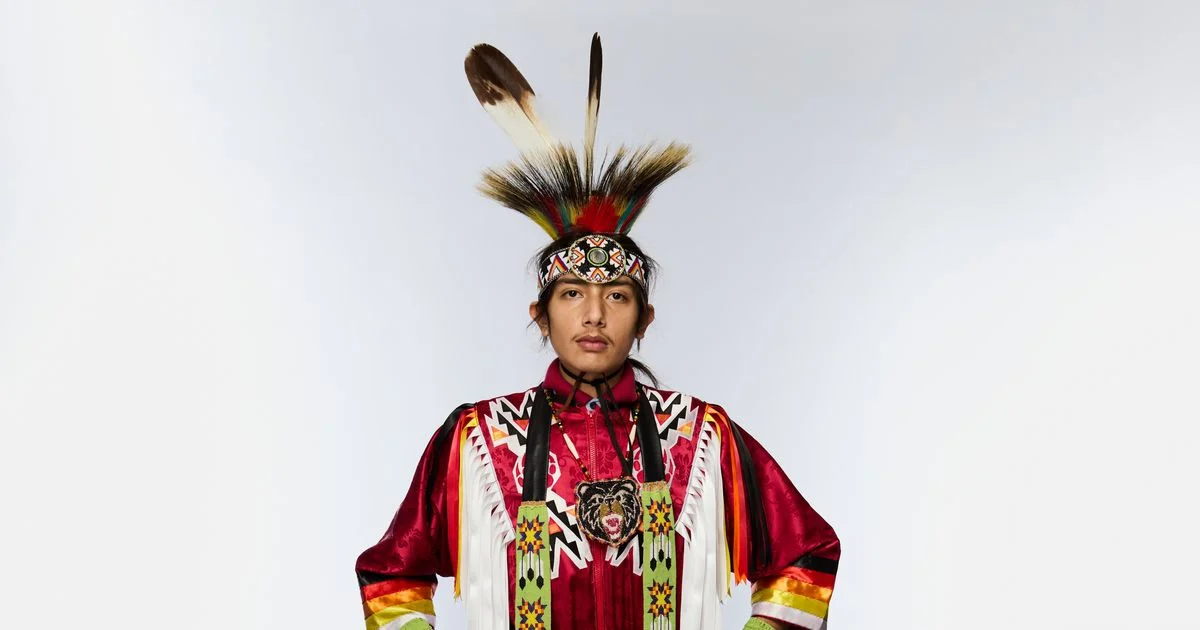
The rhythmic pulse of heavy cedar drums and the high, soaring notes of traditional singing echoed across Prospect Park this autumn, setting the atmospheric backdrop for a vibrant celebration of Indigenous culture, resilience, and community. Dancers, artists, musicians, and spectators from across the United States and Canada converged in the heart of Brooklyn for the annual Lenape Powwow. The gathering, captured extensively through the lens of street-style and cultural documentation, served as a living showcase of traditional regalia, competitive dance, and intergenerational storytelling, drawing thousands of attendees into a space of active cultural revitalization.
The Modern Powwow: A Gathering of Nations
For the participants and visitors who filled the park grounds, the powwow functioned simultaneously as a sacred ceremony, a competitive athletic showcase, and a large-scale family reunion. Howard Crouse, a tenth-grader visiting from Salamanca, New York, offered a straightforward perspective on the event’s scale and energy: “It’s like a big ol’ gathering. Almost like a concert, but for us.”
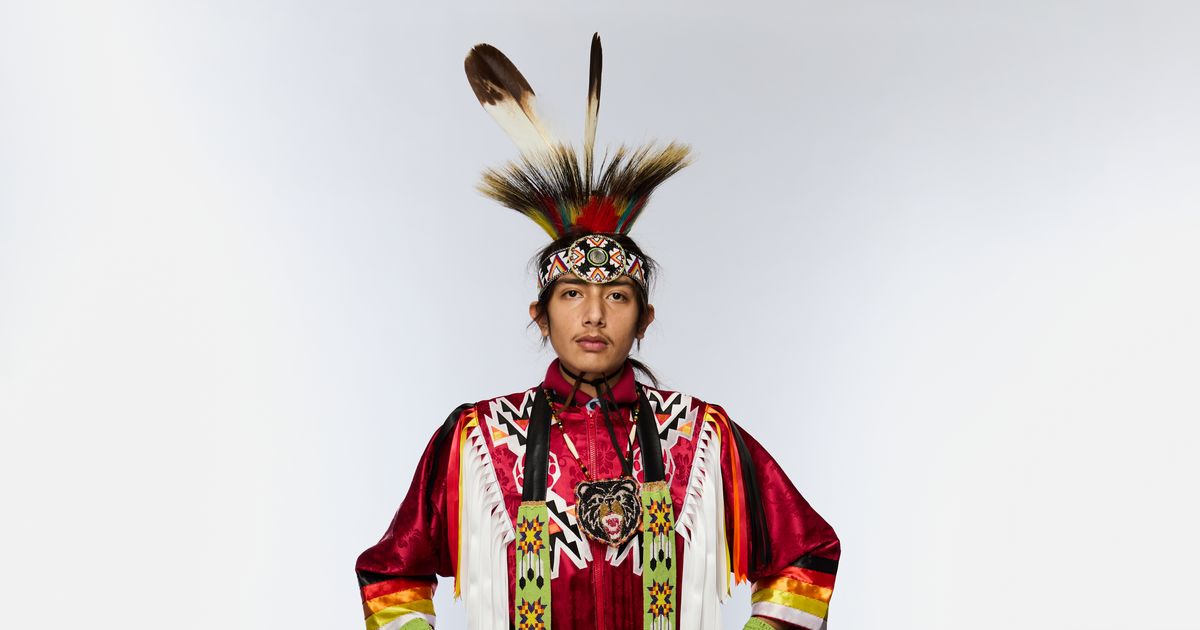
While Crouse noted that he participates primarily for the enjoyment of the community atmosphere—explaining that the competitive smoke dances of his Seneca heritage are historically rooted in clearing smoke from traditional longhouses rather than standard powwow customs—the event as a whole highlighted the vast diversity of Indigenous nations represented. Attendees and competitors ranged from kindergarteners to seasoned cultural keepers, wearing meticulously crafted regalia that blended ancestral techniques with contemporary fashion design.
Cory Ridgeway, a program specialist from Cedarville, New Jersey, detailed the intricate artistry embedded within the clothing worn during the dance contests. “You’ll see a lot of different floral work on mine, which usually means the person wearing it comes from a woodland area,” Ridgeway explained, pointing out the traditional ribbon work running down the front. He emphasized that while these elements honor historical Lenape aesthetics, modern practitioners continue to innovate by integrating contemporary fabrics and evolving structural designs.
Historical Context and the Fight for Cultural Survival
The festive and celebratory atmosphere of the Prospect Park gathering stands in stark contrast to the historical trials endured by Indigenous communities throughout North America. For centuries, federal and local government policies actively sought to eradicate Native languages, spiritual practices, and communal gatherings.
Kiara Tanta-Quidgeon, an Indigenous-health researcher based in Boston, Massachusetts, underscored the profound historical weight of the public celebration. “This is an active revitalization for our communities,” Tanta-Quidgeon said. “For a long time, there was a legal prohibition of our dances by the colonial government. The fact that we’re still out here and doing this despite hundreds of years of that suppression is a really beautiful thing.”
This legacy of suppression left deep generational scars, particularly regarding language preservation and familial transmission of cultural knowledge. Janiyakuha Webster, a cultural keeper from Bowler, Wisconsin, reflected on the difficult process of reclaiming lost heritage. “For many years, my family wasn’t able to speak our language,” Webster shared. “My great-grandparents would go into the basement to talk, and they wouldn’t let the kids down there. So there are a lot of cycles that people have to break now because of our generational trauma.”
Despite these systemic obstacles, contemporary cultural keepers and youth are actively bridging the generational divide, utilizing public spaces like Prospect Park to ensure that songs, dances, and dialects are passed down to the youngest members of their communities.
Navigating Dual Worlds: Urban Migration and Reservation Roots
The demographic makeup of the powwow reflected the complex diaspora of Indigenous peoples living in modern North America. Many participants split their lives between major metropolitan centers like New York City and traditional reservation lands or ancestral territories in the Northeast, Midwest, and Canada.
George Stonefish, a consultant living in East New York, shared his unique perspective of growing up navigating two entirely different cultural landscapes. Recalling his childhood near 82nd Street in Manhattan—where he lived just around the corner from sports icon Joe Namath—Stonefish contrasted those experiences with his summers spent with his grandmother in Canada, where he was immersed in traditional ceremonies and powwows.
“It taught me to be versatile,” Stonefish said. “I can deal with rich white people and I don’t get intimidated. And then I go to a reservation and I fit right the fuck in.”

This adaptability was mirrored by younger competitors like Mathyias “Kūkūlūksit Tūme” Ellis, a high school senior from Bridgeton, New Jersey, who competed in the specialized prairie chicken dance. Explaining the origins of his intricate regalia and choreography, Ellis noted that his performance mimics the courtship displays of a rooster during mating season. “It’s all flashy moves,” he said, pointing to the elaborate fan work and specialized footwork required to catch the judges’ attention and secure a victory in the dance categories.
Broader Implications and Cultural Visibility in New York City
The presence of a major Indigenous powwow within a landmark urban green space like Prospect Park carries significant implications for urban anthropology and cultural visibility. Historically, major metropolitan centers have often functioned as homogenizing forces, absorbing immigrant and minority populations while frequently obscuring the foundational histories of the original stewards of the land.
By hosting events of this magnitude in New York City, Indigenous communities assert a continuous, living presence that challenges historical narratives of erasure. Sociologists and cultural analysts note that public ceremonies in major metropolitan hubs serve a dual purpose: they provide an essential support network for urban Native populations who may feel isolated from their tribal homelands, and they educate the broader public regarding the diversity, sovereignty, and ongoing vitality of contemporary Indigenous nations.
Furthermore, the integration of youth dancers—such as Calista Hare, Wanbdi Iron Elk, Osahpekwe Ridgeway, and Azilya Brings Plenty—signals a sustainable future for these traditions. As these children learn the intricate rules of dance competition, the specific meanings behind floral regalia, and the communal discipline required to maintain drum circles and singing groups, they carry forward a lineage that survived centuries of legislative bans, forced assimilation, and institutional neglect.
Ultimately, the Lenape Powwow in Prospect Park transcended the boundaries of a weekend cultural exhibition. It stood as a powerful testament to endurance, an educational bridge for the public, and a joyful reclamation of space in a city built on ancestral Lenape soil.